November 14, 2024

Singapore is known for its efficient and strict immigration and customs procedures. Understanding these processes will help ensure a smooth entry into the country. Here’s a detailed guide on what to expect when you arrive in Singapore.

Before You Arrive

Visa Requirements: Check if you need a visa to enter Singapore. Many nationalities can enter visa-free for short stays. If a visa is required, apply online or at a Singaporean embassy well in advance.

Travel Documents: Ensure your passport is valid for at least six months from the date of entry. Complete the SG Arrival Card online within three days before your arrival.

Health Declarations: Complete any required health declarations, especially in light of the COVID-19 pandemic. Check the latest health advisories and travel restrictions before you travel.

Arrival at Changi Airport

Disembarkation: Upon landing, follow the signs to the Arrival Hall. Pay attention to announcements and signboards for guidance.

Immigration Counters: Head to the immigration counters. There are separate queues for residents, visitors, and automated clearance gates for eligible travelers.

Immigration Procedures

Documents Needed: Have your passport, completed SG Arrival Card, and any required visas ready. Ensure your documents are easily accessible.

Automated Clearance: Singapore residents and eligible travelers can use automated clearance gates. These gates use biometric verification for swift processing.

Staffed Counters: Other travelers will go through staffed immigration counters. Present your documents and answer any questions the immigration officer may have. Typical questions include the purpose of your visit, duration of stay, and accommodation details.

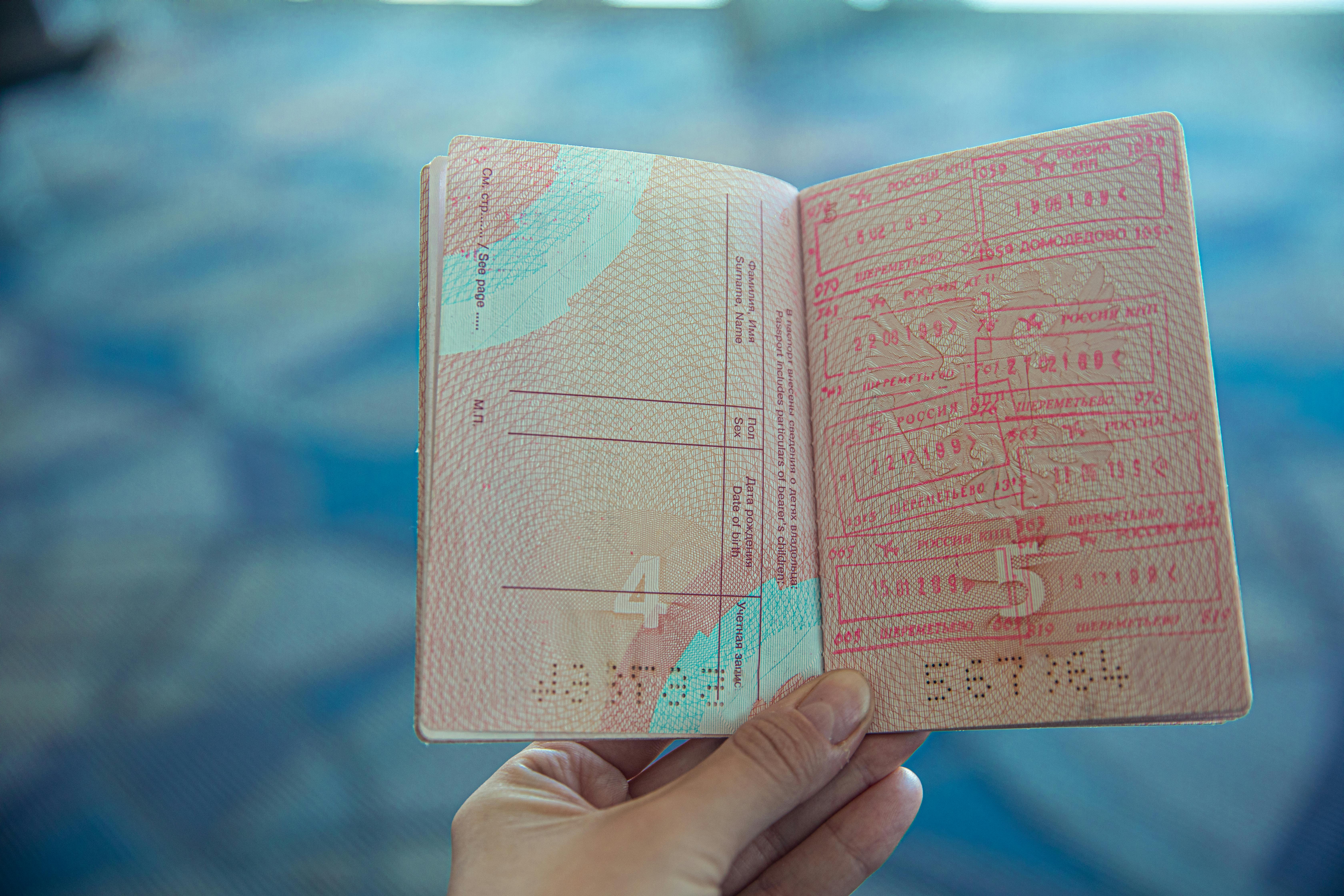
Entry Stamp: Once cleared, your passport will be stamped with an entry date. This stamp indicates the permitted duration of your stay.

Baggage Claim

Baggage Carousels: After immigration, proceed to the baggage claim area. Check the display screens for your flight’s carousel number. Collect your luggage promptly.

Lost Luggage: If your luggage is missing or damaged, report it to the Lost & Found counter in the baggage claim area. Provide your flight details and baggage tag for assistance.

Customs Declaration

Red and Green Channels: After collecting your luggage, you will pass through customs. Choose the “Green Channel” if you have nothing to declare, or the “Red Channel” if you have goods to declare.

Duty-Free Allowances: Singapore allows duty-free allowances for alcohol, tobacco, and other items. Exceeding these limits requires declaration and payment of duties.

Prohibited Items: Certain items are prohibited or restricted, including chewing gum, controlled drugs, and weapons. Check the Singapore Customs website for a comprehensive list.

Customs Inspection

Inspection Process: Customs officers may conduct random checks. If selected, follow the officer’s instructions and present your luggage for inspection.

Tax Refunds: If you purchased goods for export, you may be eligible for a Goods and Services Tax (GST) refund. Present your receipts and GST refund forms at the designated counters.

COVID-19 Measures

Health Screening: Depending on the current health situation, you may undergo temperature screening and health checks. Follow all instructions from airport staff.

Quarantine Requirements: Check if any quarantine requirements apply to travelers from your country. Be prepared to comply with any health and safety measures.

Final Tips

Stay Informed: Keep updated on the latest travel advisories and immigration policies. Singapore’s government websites and official channels provide reliable information.

Respect Regulations: Singapore has strict laws and regulations. Familiarize yourself with local customs and legal requirements to avoid any issues.

Contact Information: Save important contact numbers, including your country’s embassy and local emergency services.

By understanding and following Singapore’s immigration and customs procedures, you can ensure a smooth and hassle-free entry into the country. Proper preparation and awareness of the requirements will help you navigate these processes efficiently.
Arriving at Singapore’s Changi Airport and reaching your hotel is a straightforward process, thanks to the city’s efficient transport system. Here’s a detailed guide on how to get from Changi Airport to your hotel.

Public Transport: MRT

The MRT (Mass Rapid Transit) is a convenient and cost-effective way to travel from Changi Airport to various parts of Singapore.

MRT Station Location: The MRT station is located in Terminals 2 and 3. Follow the signs to the MRT station from the Arrival Hall.

Route and Transfers: Take the East-West Line (Green Line) from Changi Airport. Depending on your hotel’s location, you may need to transfer to another MRT line. Key transfer stations include Tanah Merah, City Hall, and Bugis.

Fares and Payment: Use an EZ-Link card or a Singapore Tourist Pass for seamless travel. Cards can be purchased and topped up at the MRT station. Fares are distance-based, typically ranging from SGD 1.50 to SGD 2.50.

Travel Time: The journey to the city center takes approximately 30-40 minutes. Trains run from 5:30 AM to midnight, with intervals of 2-3 minutes during peak hours and 5-7 minutes during off-peak times.

Public Transport: Buses

Public buses provide an alternative way to reach your hotel, especially if it’s located in an area not served by the MRT.

Bus Stops: Bus stops are located outside each terminal. Look for the signs directing you to the bus stops.

Routes and Services: Several bus routes connect Changi Airport to different parts of the city. Major routes include 36 (to Orchard Road), 24 (to Ang Mo Kio), and 34 (to Punggol).

Fares and Payment: Pay with an EZ-Link card or exact cash. Fares are distance-based and typically range from SGD 1.50 to SGD 2.50.

Travel Time: Depending on traffic and your destination, bus journeys can take 40-60 minutes. Buses generally operate from 5:30 AM to midnight.

Taxis

Taxis are a convenient and comfortable option, especially if you have a lot of luggage or prefer a direct ride to your hotel.

Taxi Stands: Taxi stands are located outside the Arrival Halls of each terminal. Follow the signs to the nearest taxi stand.

Fares: Taxi fares are metered, with a typical ride to the city center costing SGD 20-30. Additional surcharges may apply during peak hours (25% surcharge), late-night hours (50% surcharge), and for airport trips (SGD 3-5 surcharge).

Payment: Most taxis accept cash, credit cards, and contactless payment methods. Check with the driver before starting your journey.

Travel Time: The journey to the city center typically takes 20-30 minutes, depending on traffic conditions.

Ride-Hailing Services

Ride-hailing services like Grab offer a modern and flexible way to get from the airport to your hotel.

Booking a Ride: Download the Grab app, create an account, and book a ride from your smartphone. Choose your pick-up point based on your terminal and select your destination.

Fares: Grab fares are dynamic and depend on demand, distance, and traffic. A typical ride to the city center costs SGD 20-30.

Payment: Payment can be made through the app using credit/debit cards or GrabPay.

Travel Time: Similar to taxis, the journey to the city center takes approximately 20-30 minutes.

Airport Shuttle Services

Airport shuttle services offer a budget-friendly and convenient way to reach your hotel.

Booking: Shuttles can be booked at the Ground Transport Desks in the Arrival Halls of each terminal. You can also book online in advance.

Fares: The fare for a shared shuttle service is typically SGD 9 for adults and SGD 6 for children.

Travel Time: Travel time varies depending on the number of stops and traffic conditions but generally takes 45-60 minutes.

Hotel Transfer Services

Many hotels offer complimentary or paid transfer services for their guests.

Booking: Check with your hotel in advance to see if they offer airport transfer services. If available, provide your flight details and arrival time.

Fares: Some hotels offer complimentary transfers, while others charge a fee. Confirm the details with your hotel.

Travel Time: Travel time is similar to that of taxis and ride-hailing services, usually 20-30 minutes to the city center.

Renting a Car

If you prefer the flexibility of having your own vehicle, car rentals are available at Changi Airport.

Rental Companies: Major car rental companies like Hertz, Avis, and Budget operate at the airport. Their counters are located in the Arrival Halls of each terminal.

Requirements: You will need a valid driver’s license, passport, and a credit card. Singapore drives on the left side of the road.

Fares: Rental rates vary based on the type of vehicle and rental duration. Check with the rental company for specific pricing.

Travel Time: Driving to the city center takes approximately 20-30 minutes.

By choosing the right transport option based on your needs and preferences, you can ensure a smooth and hassle-free journey from Changi Airport to your hotel. Whether you prefer public transport, taxis, or ride-hailing services, Singapore offers a variety of convenient options to get you to your destination.

Arriving in a new country can be both exciting and overwhelming. To ensure a smooth and hassle-free arrival in Singapore, here are some essential tips to help you navigate your way.

Before You Travel

Visa Requirements: Check if you need a visa to enter Singapore. Many nationalities can enter visa-free for short stays, but it’s essential to verify your eligibility and apply for a visa if necessary.

Travel Insurance: Purchase travel insurance that covers medical expenses, trip cancellations, and lost luggage. Singapore has excellent healthcare facilities, but medical costs can be high without insurance.

Health Precautions: Ensure you are up-to-date with routine vaccinations. Depending on your travel history, you may need vaccinations for diseases like yellow fever. Check the latest health advisories for Singapore.

Packing Essentials

Weather-Appropriate Clothing: Singapore’s climate is hot and humid year-round. Pack lightweight, breathable clothing, a hat, sunglasses, and sunscreen. An umbrella or raincoat is also useful, as showers are common.

Travel Documents: Keep your passport, visa (if required), and travel insurance documents handy. It’s also a good idea to have copies of these documents stored digitally.

Currency: The local currency is the Singapore Dollar (SGD). Bring some cash for immediate expenses, but note that credit and debit cards are widely accepted.

Arrival at Changi Airport

Immigration and Customs: Follow signs to the immigration counters. Have your passport, completed arrival card, and any required visas ready. The process is efficient, but ensure all forms are filled out accurately.

Baggage Collection: After clearing immigration, proceed to the baggage claim area. Check the display screens for your flight’s carousel number. For oversized luggage, head to the designated area.

Customs Declaration: Declare any items that exceed duty-free allowances. Follow the “Red Channel” if you have goods to declare, or the “Green Channel” if you have nothing to declare.

Transportation from the Airport

Public Transport: The MRT station is located in Terminals 2 and 3, offering a direct link to the city. Buses and airport shuttles are also available.

Taxis and Ride-Hailing: Taxis are available at designated stands outside each terminal. Ride-hailing services like Grab can be booked via mobile apps. Both options provide a convenient and comfortable ride to your accommodation.

Hotel Shuttles: Some hotels offer complimentary shuttle services. Check with your hotel in advance and look for the designated pick-up points.

Connectivity and Communication

SIM Cards and Wi-Fi: Purchase a local SIM card or rent a portable Wi-Fi device at the airport. Changi Airport offers free Wi-Fi, but having a local SIM ensures continuous connectivity throughout your stay.

Emergency Contacts: Save important contact numbers, including your country’s embassy, local emergency services (999 for police, 995 for ambulance), and your accommodation.

Settling In

Check-In and Rest: Once you arrive at your accommodation, check in, freshen up, and take a moment to rest. If you arrive early, ask if early check-in is possible or if you can store your luggage.

Local Orientation: Familiarize yourself with your surroundings. Locate nearby convenience stores, restaurants, and public transport options. Ask the hotel staff for recommendations and local tips.

Safety and Health

Personal Safety: Singapore is one of the safest cities in the world, but it’s still important to stay vigilant. Keep your belongings secure and be aware of your surroundings.

Health Precautions: Stay hydrated and avoid excessive sun exposure. Tap water is safe to drink, and public restrooms are clean and well-maintained.

COVID-19 Measures: Follow local COVID-19 guidelines, including mask-wearing, social distancing, and hygiene practices. Stay updated on the latest health advisories and travel restrictions.

Cultural Etiquette

Respect Local Customs: Singapore is a multicultural society with diverse customs and traditions. Be respectful of local norms, such as removing shoes before entering homes and dressing modestly when visiting religious sites.

Language: English is widely spoken, but learning a few basic phrases in Malay, Mandarin, or Tamil can be helpful and appreciated.

Public Behavior: Avoid littering, smoking in non-designated areas, and jaywalking. Singapore has strict laws and penalties for these offenses.

By following these essential tips, you can ensure a smooth and enjoyable arrival in Singapore. Proper preparation and awareness of local customs will help you settle in quickly and make the most of your visit to this vibrant and dynamic city.

Singapore, known for its efficiency and cleanliness, offers a variety of transportation options to help you navigate the city with ease. Here’s a comprehensive guide for first-time visitors on getting around Singapore.

Public Transport: MRT

The MRT (Mass Rapid Transit) is the backbone of Singapore’s public transport system.

MRT Lines and Stations: The MRT network consists of several lines, each identified by a color. Key lines include the North-South (red), East-West (green), Circle (yellow), and Downtown (blue) lines. MRT stations are well-signposted, and maps are available at every station.

Fares and Payment: Payment can be made using the EZ-Link card or a Singapore Tourist Pass. Both cards can be purchased at MRT stations and convenience stores. The Singapore Tourist Pass offers unlimited travel for a fixed period, making it a cost-effective option for tourists.

Operating Hours: MRT trains run from approximately 5:30 AM to midnight. Service intervals range from 2-3 minutes during peak hours to 5-7 minutes during off-peak times.

Public Transport: Buses

Buses complement the MRT network, reaching areas not served by the train lines.

Bus Routes and Stops: Bus stops are conveniently located throughout the city. Each bus stop has a route map and timetable. The buses are air-conditioned and equipped with digital displays announcing upcoming stops.

Fares and Payment: Like the MRT, bus fares can be paid using the EZ-Link card or the Singapore Tourist Pass. Fares are distance-based, with the cost deducted from your card upon tapping in and out.

Operating Hours: Buses generally operate from 5:30 AM to midnight, with some routes offering night services.

Taxis and Ride-Hailing Services

For a more convenient and direct mode of transport, taxis and ride-hailing services are readily available.

Taxi Services: Taxis can be hailed on the street, at taxi stands, or booked via phone or mobile apps. Major taxi companies include ComfortDelGro, Trans-Cab, and SMRT Taxis. Taxis are metered, and additional surcharges may apply during peak hours or for airport trips.

Ride-Hailing Apps: Grab is the most popular ride-hailing app in Singapore. It offers a range of services, from budget rides to premium options. Download the app, create an account, and book a ride directly from your smartphone.

Biking and Walking

Singapore’s compact size and well-maintained infrastructure make biking and walking viable options for getting around.

Biking: Bicycle-sharing services like SG Bike and Anywheel provide convenient access to bikes across the city. Dedicated bike lanes and park connectors ensure a safe and enjoyable ride. Remember to use designated parking areas for shared bikes.

Walking: Many of Singapore’s attractions are within walking distance of each other. The city is pedestrian-friendly, with wide sidewalks, pedestrian crossings, and underpasses.

Car Rentals and Driving

While not necessary for most visitors, renting a car can be useful for exploring areas outside the city center.

Car Rentals: Major car rental companies like Hertz, Avis, and Budget operate in Singapore. Rental requirements typically include a valid driver’s license, passport, and a credit card. Note that Singapore drives on the left side of the road.

Parking: Parking is widely available but can be expensive in the city center. Look for public car parks and use the Parking.sg app to pay for parking.

Unique Transport Options

Singapore River Cruise: For a scenic mode of transport, consider a Singapore River Cruise. These boats offer a unique perspective of the city and operate from various points along the river.

Cable Car: The Singapore Cable Car provides a breathtaking view of the city and connects Sentosa Island with Mount Faber. It’s a fun and memorable way to travel between these two popular destinations.

Tips for Getting Around

  • Download Transport Apps: Apps like CityMapper, Google Maps, and MyTransport.SG provide real-time information on routes, schedules, and fares.
  • Stay Hydrated: Singapore’s tropical climate can be hot and humid. Carry water and stay hydrated, especially if you’re walking or biking.
  • Respect Local Customs: Be mindful of local customs and regulations, such as not eating or drinking on public transport.

Navigating Singapore is straightforward and efficient, thanks to its comprehensive transport network. Whether you prefer the MRT, buses, taxis, or simply walking, getting around the city is a breeze for first-time visitors.

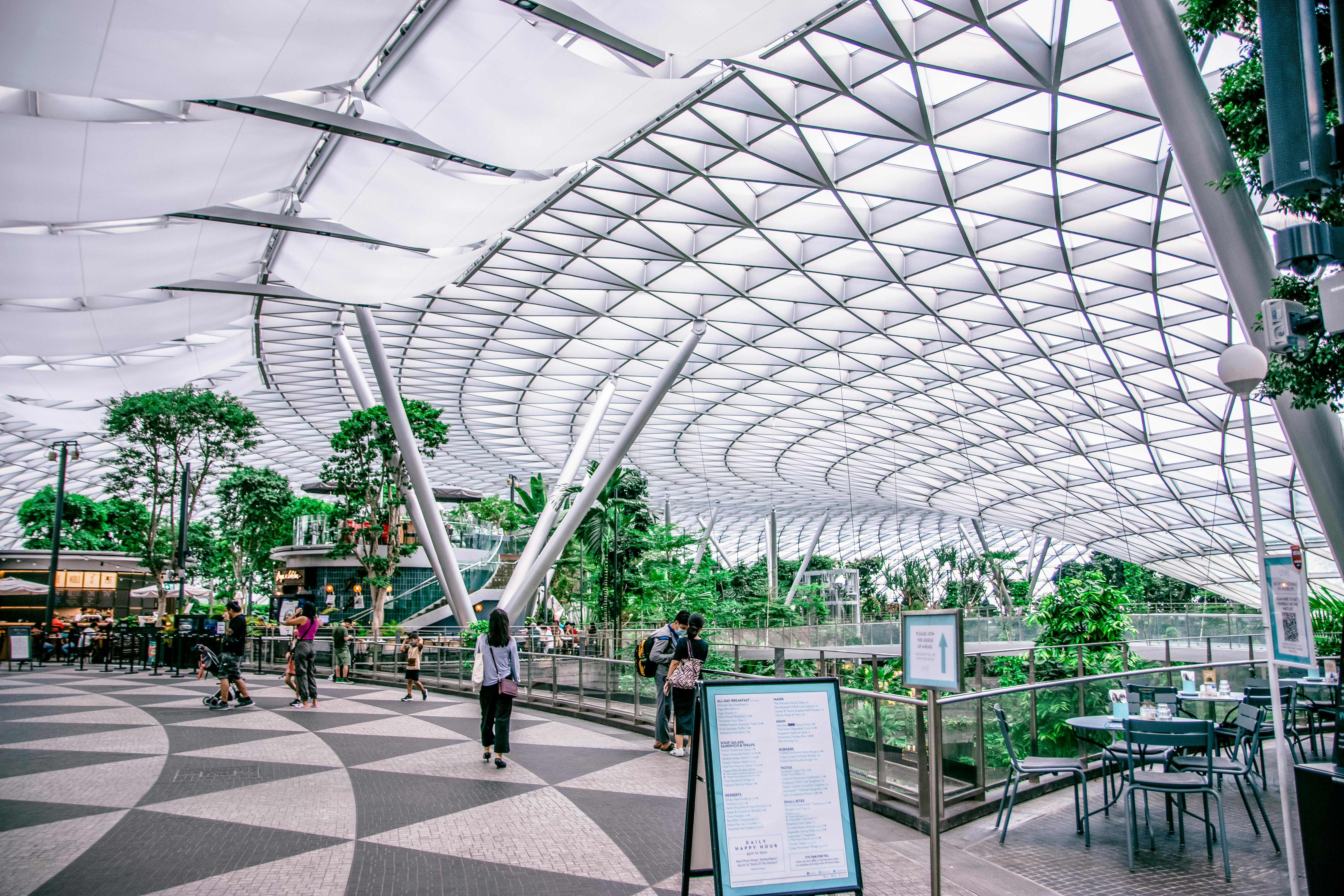
Singapore Changi Airport, consistently rated as one of the best airports in the world, offers travelers an exceptional experience from the moment they land. Here’s a detailed guide on what to expect when you land at this world-class airport.

Arrival and Immigration

Upon landing, follow the signs to the Arrival Hall. The immigration process is efficient, but ensure you have your passport, completed arrival card, and any necessary visas ready. Automated clearance gates are available for Singaporeans and eligible travelers, while other visitors will go through staffed immigration counters.

Baggage Claim

After immigration, proceed to the baggage claim area. Baggage carousels are clearly labeled with flight information. If you have any oversized luggage, there are designated areas for collection.

Facilities and Amenities

Wi-Fi and Connectivity: Changi Airport offers free Wi-Fi throughout the terminals. Simply connect to the “ChangiWiFi” network and follow the instructions to access the internet.

Lounge Access: Various lounges are available for travelers, including pay-per-use lounges. These offer comfortable seating, refreshments, showers, and sometimes even nap pods.

Medical Services: Medical clinics and pharmacies are available in all terminals. If you need any medical assistance, look for the first aid signs or approach airport staff.

Shopping and Dining: Changi Airport is renowned for its shopping and dining options. From luxury brands to local souvenirs, there is something for everyone. Dining options range from fast food to fine dining, offering a variety of international and local cuisines.

Entertainment and Leisure: Changi Airport is more than just an airport; it’s an entertainment hub. Explore the Butterfly Garden, watch a movie at the 24-hour cinema, or take a dip in the rooftop swimming pool. There are also art installations and interactive displays throughout the terminals.

Transportation Options

Skytrain: The Skytrain connects all terminals and is free to use. It operates every few minutes and is a quick and convenient way to get around the airport.

Public Transport: Changi Airport is well-connected to the city. The MRT (Mass Rapid Transit) station is located in Terminal 2 and 3, offering a direct link to downtown Singapore.

Taxis and Ride-Hailing: Taxis are readily available at the designated taxi stands outside each terminal. Ride-hailing services like Grab are also an option, with pick-up points clearly marked.

Shuttle Services: Airport shuttle services provide a cost-effective way to get to your hotel. These can be booked at the Ground Transport Desks in the Arrival Halls.

Staying Overnight

If you have a long layover or an early flight, consider staying at one of the airport hotels. The Crowne Plaza is located within Terminal 3, while the Aerotel Transit Hotel is available in Terminal 1. Both offer comfortable accommodations and convenient access to airport amenities.

COVID-19 Measures

Changi Airport has implemented stringent health and safety measures to ensure the well-being of travelers. These include enhanced cleaning protocols, mandatory mask-wearing, and social distancing measures. Hand sanitizers are available throughout the airport, and thermal scanners check the temperature of all arriving passengers.

Final Tips

  • Currency Exchange: Currency exchange counters and ATMs are available in all terminals. It’s advisable to exchange some money for small expenses.
  • SIM Cards: SIM cards can be purchased at various kiosks in the Arrival Hall, ensuring you stay connected during your stay in Singapore.
  • Tourist Information: The Changi Recommends booths provide tourist information, maps, and can assist with bookings for attractions and transport.

By understanding what to expect upon landing at Changi Airport, you can ensure a smooth and enjoyable start to your visit to Singapore. This airport truly sets the standard for comfort, convenience, and efficiency.

Scroll to Top