Travel Guide

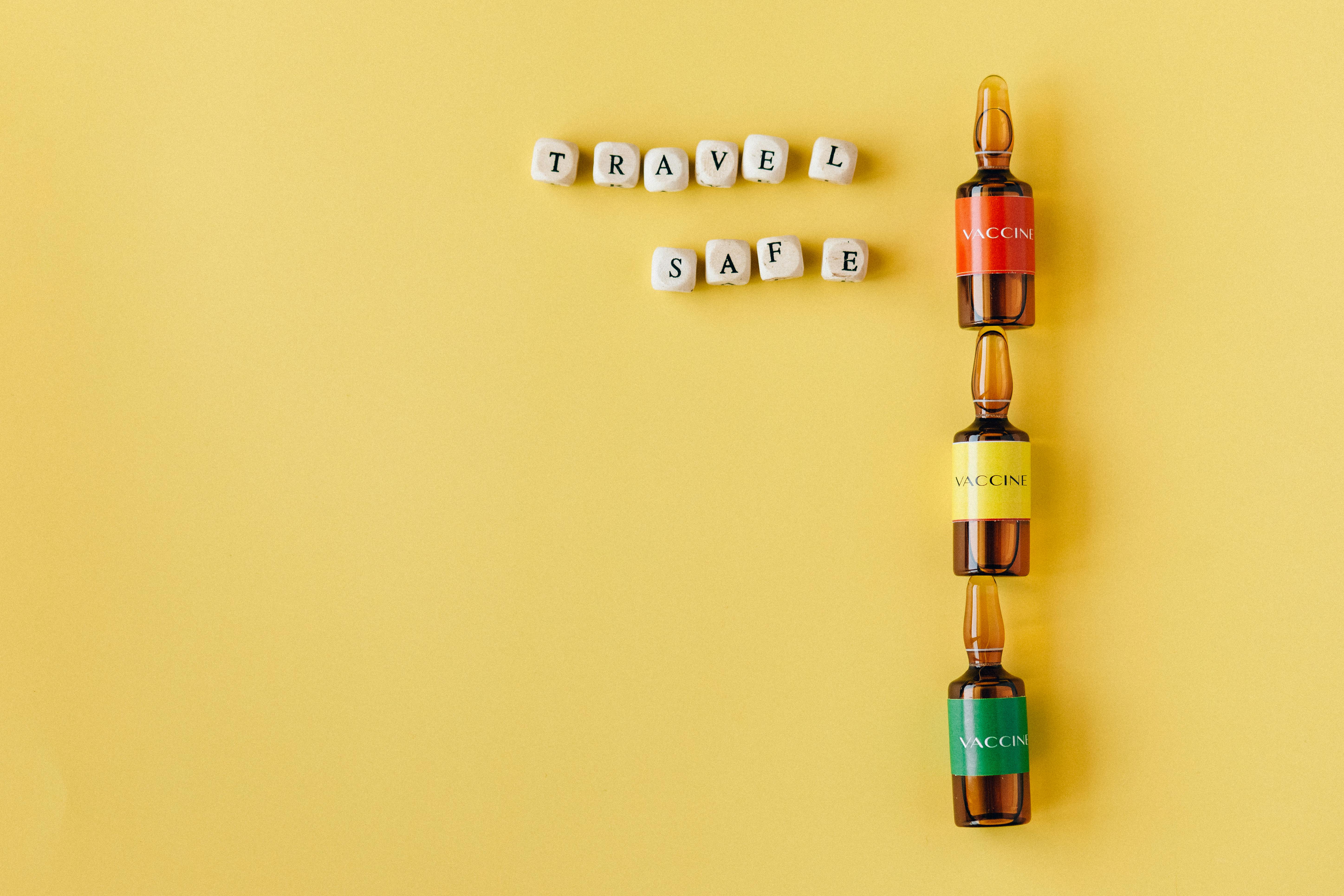
Travelling is an exciting adventure but comes with its share of uncertainties. The potential risks can quickly turn a dream vacation into a nightmare, from unexpected medical emergencies to trip cancellations. This is where travel insurance becomes invaluable, offering peace of mind and financial protection. VisitorsCoverage, a leading online marketplace for travel insurance, provides a wide range of insurance options tailored to meet the diverse needs of travellers worldwide. In this blog, we’ll explore the importance of travel insurance, the benefits of using VisitorsCoverage, and how you can secure the best coverage for your next trip.

Understanding Travel Insurance: Why It’s Essential

Travel insurance is a type of insurance policy that covers various risks associated with travelling. This can include medical emergencies, trip cancellations, lost baggage, flight delays, and more. While some travellers may view insurance as an unnecessary expense, it’s actually a small price to pay for the security and peace of mind it offers. Here are some of the key reasons why travel insurance is essential:

  1. Medical Emergencies: Healthcare costs can be exorbitant, especially in foreign countries. Travel insurance ensures that you are covered for medical expenses, including hospital stays, surgeries, and emergency evacuations.
  2. Trip Cancellations: Life is unpredictable, and sometimes, you may need to cancel or cut short your trip due to unforeseen circumstances. Travel insurance can reimburse you for non-refundable expenses, such as flights and hotel bookings.
  3. Lost or Delayed Baggage: Losing your luggage can be a stressful experience, especially if it contains essential items. Travel insurance provides compensation for lost or delayed baggage, helping you replace your belongings quickly.
  4. Travel Delays: Flight delays can disrupt your travel plans and lead to additional expenses, such as hotel stays and meals. Travel insurance can cover these costs, ensuring that you’re not out of pocket.

Why Choose VisitorsCoverage?

VisitorsCoverage is a trusted online platform that specializes in offering a wide range of travel insurance plans to suit the needs of all types of travelers. Here’s why VisitorsCoverage stands out as an excellent choice for securing travel insurance:

  1. Comprehensive Coverage Options
    VisitorsCoverage offers a variety of travel insurance plans, including coverage for international travelers, expatriates, and students. Whether you’re looking for basic medical coverage or comprehensive plans that include trip cancellation and emergency evacuation, VisitorsCoverage has something to meet your needs. Their insurance plans are designed to provide maximum protection, ensuring that you’re covered no matter what happens during your trip.
  2. User-Friendly Platform
    The VisitorsCoverage website is easy to navigate, making it simple to find and compare different insurance plans. The platform allows you to filter plans based on your specific needs, such as coverage for pre-existing conditions or sports activities. Additionally, the website offers a wealth of resources, including articles and FAQs, to help you make an informed decision.
  3. Instant Quotes and Purchases
    One of the standout features of VisitorsCoverage is the ability to get instant quotes and purchase insurance online. Simply enter your travel details, and the platform will generate a list of suitable insurance plans along with their prices. You can then purchase your chosen plan directly through the website, with your policy documents delivered to your email immediately.
  4. Tailored Plans for Specific Needs
    VisitorsCoverage understands that every traveler is unique, which is why they offer tailored insurance plans. For example, if you’re a senior traveler, you can find plans specifically designed to cover age-related medical conditions. Similarly, if you’re an adventure enthusiast, there are plans that cover high-risk activities like skiing or scuba diving.
  5. 24/7 Customer Support
    Traveling can be unpredictable, and sometimes, you may need assistance at odd hours. VisitorsCoverage offers 24/7 customer support to ensure that you have access to help whenever you need it. Whether you have questions about your policy or need to file a claim, their team is always available to assist you.

How to Choose the Right Travel Insurance Plan

Selecting the right travel insurance plan can be overwhelming, especially with so many options available. Here are some tips to help you choose the best plan for your needs:

  1. Assess Your Travel Needs
    Start by considering the type of trip you’re taking. Are you traveling internationally or domestically? Are you participating in any high-risk activities? Will you be traveling with valuable items? Understanding your travel needs will help you determine the level of coverage required.
  2. Compare Different Plans
    VisitorsCoverage allows you to compare multiple insurance plans side by side. Look at the coverage limits, exclusions, and premiums to find a plan that offers the best value for money. Don’t forget to check the policy’s fine print to ensure there are no surprises.
  3. Consider Pre-Existing Conditions
    If you have a pre-existing medical condition, make sure to choose a plan that covers it. Some plans may exclude coverage for pre-existing conditions, while others may offer it as an add-on. VisitorsCoverage makes it easy to find plans that include coverage for pre-existing conditions.
  4. Check the Claims Process
    The ease of filing a claim is an important factor to consider when choosing a travel insurance plan. VisitorsCoverage provides detailed information on the claims process for each plan, including the required documentation and how long it takes to process a claim.
  5. Read Reviews and Testimonials
    Before purchasing a plan, take the time to read reviews and testimonials from other travelers. This can give you insight into the experiences of others and help you choose a plan that has a strong track record of customer satisfaction.

Maximizing Your Travel Experience with VisitorsCoverage

Once you’ve secured your travel insurance through VisitorsCoverage, you can embark on your journey with confidence, knowing that you’re protected against a range of potential risks. Here are a few additional tips to enhance your travel experience:

  1. Plan Ahead
    In addition to purchasing travel insurance, make sure to plan other aspects of your trip well in advance. This includes booking flights, accommodations, and activities. The Visitor’s Concierge website is a great resource for planning your itinerary and finding travel deals.
  2. Stay Informed
    Keep yourself updated on travel advisories, weather conditions, and health guidelines for your destination. This information can help you make informed decisions and avoid potential disruptions to your travel plans.
  3. Keep Important Documents Accessible
    In addition to your travel insurance policy, make sure to keep other important documents, such as your passport, visa, and emergency contact information, easily accessible during your trip.
  4. Enjoy Your Trip!
    Finally, remember that the purpose of travel insurance is to give you peace of mind so that you can focus on enjoying your trip. Whether you’re exploring a new city, relaxing on a beach, or attending a business conference, having the right travel insurance in place allows you to make the most of your experience without worrying about what might go wrong.

Conclusion

Travel insurance is an essential part of any trip, offering protection against a wide range of potential risks. VisitorsCoverage provides a user-friendly platform where travelers can easily compare and purchase insurance plans tailored to their needs. By choosing the right travel insurance plan through VisitorsCoverage, you can enjoy your travels with the confidence that you’re fully protected. For more travel planning tips and resources, visit Visitor’s Concierge, your ultimate guide to a hassle-free and enjoyable travel experience.


Singapore is often perceived as an expensive destination, but there are plenty of ways to enjoy the city on a budget. Here are some tips on how to save money while travelling in Singapore.

Affordable Accommodations

Hostels and Budget Hotels

  • Stay at budget-friendly hostels and hotels to save on accommodation costs.
  • Popular budget accommodations include The Pod Boutique Capsule Hotel, Beary Best Hostel, and Hotel 81.

Airbnb and Homestays

  • Consider booking an Airbnb or homestay for affordable and comfortable lodging.
  • Staying with local hosts can also provide valuable insights and recommendations.

Budget-Friendly Transportation

Public Transport

  • Use the MRT and buses for affordable and convenient transportation around the city.
  • Purchase an EZ-Link card or Singapore Tourist Pass for unlimited rides on public transport.

Biking and Walking

  • Rent a bicycle or walk to explore neighborhoods and attractions at a leisurely pace.
  • Many areas in Singapore are pedestrian-friendly and have dedicated cycling paths.

Airport Transfers

  • Use the MRT or airport shuttle services for affordable transfers to and from Changi Airport.
  • Avoid taking taxis or private cars for airport transfers to save money.

Inexpensive Dining Options

Hawker Centres

  • Eat at hawker centers for delicious and affordable local food.
  • Must-visit hawker centers include Lau Pa Sat, Maxwell Food Centre, and Old Airport Road Food Centre.

Food Courts

  • Dine at food courts in shopping malls for a variety of affordable and tasty meals.
  • Look for food courts like Food Republic, Kopitiam, and Koufu.

Local Eateries

  • Explore local eateries and cafes for budget-friendly meals and snacks.
  • Try traditional breakfast items like kaya toast and kopi at local coffee shops.

Free and Low-Cost Attractions

Gardens by the Bay

  • Visit the outdoor gardens and Supertree Grove for free.
  • Enjoy the Garden Rhapsody light and sound show at Supertree Grove in the evening.

Marina Bay Sands

  • Watch the Spectra light and water show at Marina Bay for free.
  • Take a stroll along the Marina Bay waterfront and enjoy the stunning views.

Singapore Botanic Gardens

  • Explore the lush greenery and beautiful landscapes of the Singapore Botanic Gardens for free.
  • Visit the National Orchid Garden for a small admission fee.

Museums and Cultural Sites

  • Take advantage of free admission days and discounts at museums and cultural sites.
  • Popular museums with free entry include the National Museum of Singapore (on certain days) and the Peranakan Museum.

Shopping on a Budget

Street Markets and Thrift Stores

  • Shop at street markets and thrift stores for affordable clothing, accessories, and souvenirs.
  • Visit places like Bugis Street, Chinatown Street Market, and the Salvation Army Thrift Store.

Discount Stores and Outlets

  • Look for discount stores and outlet malls for budget-friendly shopping.
  • Popular options include IMM Outlet Mall, Mustafa Centre, and Daiso.

Additional Tips

Travel Off-Peak

  • Travel during off-peak seasons to enjoy lower prices on flights and accommodations.
  • Avoid peak periods like Chinese New Year, Christmas, and major festivals.

Use Discount Apps and Coupons

  • Use discount apps and websites like Fave, Klook, and Chope for deals on dining, activities, and attractions.
  • Look for coupons and promotions to save on entrance fees and dining expenses.

Stay Hydrated

  • Carry a reusable water bottle and refill it at water fountains available at public places.
  • Avoid buying bottled water to save money and reduce plastic waste.

Explore on Foot

  • Walk and explore the city to discover hidden gems and local experiences.
  • Enjoy free walking tours and self-guided tours to learn about Singapore’s history and culture.

By following these tips, you can enjoy a memorable and budget-friendly trip to Singapore. Embrace the local culture, savor the delicious food, and explore the city’s attractions without breaking the bank.

Singapore is a paradise for shopaholics, offering a diverse range of shopping experiences from high-end luxury boutiques to bustling street markets. Here’s a comprehensive guide to the best places to shop in Singapore.

Orchard Road

Orchard Road Singapore

Overview

  • Orchard Road is Singapore’s premier shopping district, featuring a mix of luxury brands, department stores, and shopping malls.
  • The tree-lined boulevard stretches for over 2 kilometres, offering a variety of shopping, dining, and entertainment options.

Must-Visit Malls

  • ION Orchard: A futuristic mall with a wide range of international luxury brands and local designers.
  • Paragon: Home to high-end fashion, fine jewellery, and premium lifestyle stores.
  • Ngee Ann City (Takashimaya): Features a Japanese department store and a diverse mix of fashion, beauty, and gourmet food.

Hidden Gems

  • Explore the smaller boutiques and speciality shops on the side streets and alleys off Orchard Road.
  • Look for unique fashion, accessories, and home decor items that you won’t find in the larger malls.

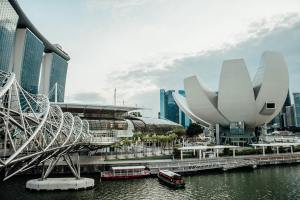
Marina Bay Sands

Marina Bay Singapore

Overview

  • The Shoppes at Marina Bay Sands offers a luxurious shopping experience with a curated selection of high-end brands.
  • The mall features fine-dining restaurants, a casino, and a canal with gondola rides.

Luxury Brands

  • Find iconic luxury brands like Chanel, Gucci, Louis Vuitton, and Prada.
  • Explore flagship stores and exclusive collections from top designers.

Experiences

  • Enjoy the stunning architecture and waterfront views as you shop.
  • Take a break at one of the fine dining restaurants or cafes overlooking the Marina Bay.

Bugis Street

Bugis Street Singapore

Overview

  • Bugis Street is a bustling shopping destination known for its affordable fashion, accessories, and souvenirs.
  • The lively market is a favourite among locals and tourists looking for budget-friendly shopping.

What to Buy

  • Shop for trendy clothing, shoes, and accessories at bargain prices.
  • Look for unique souvenirs, such as keychains, magnets, and local snacks.

Tips

  • Bargain with the vendors to get the best deals.
  • Visit in the evening when the market is most lively and vibrant.

Chinatown

Chinatown

Overview

  • Chinatown is a cultural and shopping hub, offering a mix of traditional markets, boutiques, and modern stores.
  • The area is known for its rich heritage, vibrant atmosphere, and delicious street food.

Shopping Highlights

  • Explore the Chinatown Street Market for traditional Chinese goods, antiques, and souvenirs.
  • Visit the boutiques and speciality shops along Pagoda Street and Smith Street for unique fashion and accessories.

Must-Visit

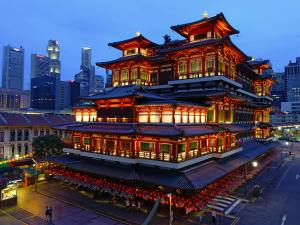
  • Check out the Chinatown Heritage Centre and the Buddha Tooth Relic Temple for a cultural experience.

Little India

Little India Singapore

Overview

  • Little India is a vibrant and colourful district known for its bustling markets, spice shops, and traditional Indian goods.
  • The area offers a unique shopping experience with a mix of modern and traditional stores.

Shopping Spots

  • Mustafa Centre: A 24-hour shopping mall offering a wide range of products, from electronics to groceries.
  • Little India Arcade: A collection of small shops selling traditional Indian clothing, jewellery, and handicrafts.

What to Buy

  • Shop for spices, textiles, and traditional Indian clothing like saris and kurtas.
  • Look for unique souvenirs, such as Indian jewellery, handicrafts, and home decor items.

Haji Lane and Kampong Glam

Haji Lane and Kampong Glam Singapore

Overview

  • Haji Lane and Kampong Glam are known for their trendy boutiques, independent designers, and hip cafes.
  • The area offers a mix of modern fashion, vintage finds, and unique accessories.

Shopping Highlights

  • Explore the eclectic boutiques along Haji Lane for fashion, accessories, and home decor items.
  • Visit the shops and galleries in Kampong Glam for unique art, antiques, and handicrafts.

Tips

  • Take your time to explore the narrow lanes and hidden shops.
  • Enjoy the street art and murals that add to the area’s vibrant atmosphere.

Orchard Central and 313@Somerset

Somerset Mall Singapore

Overview

  • Orchard Central and 313@Somerset are popular shopping malls offering a mix of international and local brands.
  • The malls are located along Orchard Road, making them convenient for a shopping spree.

What to Expect

  • Orchard Central: Features a vertical mall design with a rooftop garden and a diverse range of stores.
  • 313@Somerset: Offers a variety of fashion, beauty, and lifestyle stores, including popular high-street brands.

Dining and Entertainment

  • Both malls offer a wide range of dining options, from casual eateries to fine dining restaurants.
  • Enjoy entertainment options like cinemas, indoor climbing walls, and virtual reality experiences.

Clarke Quay and Riverside Point

Clarke Quay and Riverside Point Singapore

Overview

  • Clarke Quay and Riverside Point are known for their vibrant nightlife, but they also offer great shopping opportunities.
  • The area features a mix of boutiques, speciality stores, and shopping malls.

Shopping Highlights

  • Explore the boutiques and galleries along the riverside for unique fashion and accessories.
  • Visit Riverside Point Mall for a variety of shops and dining options.

Tips

  • Combine your shopping trip with a visit to the bars and restaurants along Clarke Quay for a fun evening out.

Enjoy a river cruise for a different perspective of the city’s skyline and attractions.

Singapore is one of the safest cities in the world, known for its low crime rate and efficient law enforcement. However, as with any travel destination, it’s essential to take certain precautions to ensure your safety and well-being. This guide will provide you with important safety tips to keep in mind upon your arrival in Singapore.

General Safety

  1. Stay Informed:
    • Keep up-to-date with local news and any travel advisories issued for Singapore. The Ministry of Foreign Affairs website and local news outlets can provide useful information.
  2. Emergency Numbers:
    • Familiarize yourself with emergency contact numbers. In Singapore, dial 999 for police assistance, 995 for emergency medical services, and 1777 for non-emergency ambulance services.
  3. Keep Valuables Secure:
    • Although crime rates are low, it’s still wise to keep your valuables secure. Use hotel safes for passports, money, and other important items.
  4. Beware of Scams:
    • Be cautious of common scams targeting tourists, such as overpriced goods or services. Always verify prices and be wary of unsolicited offers.

Health and Medical

  1. Health Insurance:
    • Ensure you have adequate travel insurance that covers medical expenses. Healthcare in Singapore is excellent but can be expensive for non-residents.
  2. Vaccinations:
    • Check if any vaccinations are required or recommended before traveling to Singapore. Common vaccinations include Hepatitis A and Typhoid.
  3. Pharmacies:
    • Pharmacies are widely available in Singapore. If you require medication, bring a sufficient supply and a prescription from your doctor.
  4. Hygiene:
    • Singapore has high hygiene standards. Drink bottled water if you prefer, although tap water is safe to drink. Wash your hands frequently and use hand sanitizer.

Transportation Safety

  1. Public Transport:
    • Singapore’s public transport system is safe and reliable. Follow the rules and guidelines, and be mindful of your belongings in crowded areas.
  2. Taxis:
    • Use reputable taxi services or ride-hailing apps like Grab. Ensure the taxi meter is used, and be aware of additional surcharges.
  3. Pedestrian Safety:
    • Use pedestrian crossings and obey traffic signals. Jaywalking is illegal and can result in fines.
  4. Cycling:
    • If you plan to cycle, wear a helmet and use designated cycling paths. Be cautious of traffic and follow local cycling regulations.

Personal Safety

  1. Stay in Well-Lit Areas:
    • Stick to well-lit and populated areas, especially at night. Singapore is generally safe, but it’s best to avoid secluded places after dark.
  2. Travel in Groups:
    • Whenever possible, travel with a companion or in groups. This is especially important for solo travelers.
  3. Trust Your Instincts:
    • If you feel uncomfortable or sense something is wrong, trust your instincts and remove yourself from the situation.
  4. Respect Local Laws:
    • Singapore has strict laws and regulations. Familiarize yourself with local laws and customs, and avoid activities that could result in fines or legal trouble.

Accommodation Safety

  1. Choose Reputable Accommodations:
    • Stay at well-reviewed hotels or rental properties. Check reviews and ratings on reputable travel websites.
  2. Hotel Security:
    • Use the hotel safe for valuables, and lock your room when leaving. Report any suspicious activity to hotel staff.
  3. Emergency Exits:
    • Familiarize yourself with the location of emergency exits and the hotel’s emergency procedures.
  4. Wi-Fi Safety:
    • Use secure Wi-Fi connections and avoid accessing sensitive information over public Wi-Fi networks.

Natural Disasters

  1. Weather Conditions:
    • Singapore has a tropical climate with occasional heavy rainfall. Be prepared for sudden weather changes and carry an umbrella or raincoat.
  2. Haze and Air Quality:
    • During certain times of the year, Singapore can experience haze from forest fires in neighboring countries. Check air quality reports and minimize outdoor activities if the air quality is poor.
  3. Emergency Preparedness:
    • In case of natural disasters, follow the instructions of local authorities and hotel staff. Singapore has an efficient emergency response system in place.

Conclusion

While Singapore is a remarkably safe destination for tourists, it’s essential to remain vigilant and take necessary precautions. By following these safety tips, you can ensure a smooth and enjoyable trip. Remember to respect local customs and laws, stay informed, and prioritize your health and safety. Enjoy your time exploring the vibrant and diverse culture of Singapore with peace of mind.

Singapore’s public transport system is renowned for its efficiency, cleanliness, and reliability. Whether you’re a resident or a visitor, navigating the city-state’s extensive network of MRT (Mass Rapid Transit), buses, and taxis can be straightforward and convenient. This guide will provide you with all the information you need to use Singapore’s public transport effectively.

MRT (Mass Rapid Transit)

The MRT system is the backbone of Singapore’s public transport, covering extensive routes across the island. It’s the fastest and most efficient way to get around.

Buying a Ticket:

  • EZ-Link Card: The most convenient way to travel on the MRT is by using an EZ-Link card, a stored-value card that can be topped up at MRT stations, convenience stores, and some ATMs.
  • Single Journey Ticket: You can also purchase single journey tickets at ticket machines in MRT stations. These are more expensive per ride compared to using an EZ-Link card.

Using the MRT:

  • Map and Routes: MRT maps are available at all stations and are easy to follow. Major interchanges like Dhoby Ghaut, Raffles Place, and Jurong East connect multiple lines.
  • Operating Hours: MRT trains operate from about 5:30 AM to midnight. During peak hours, trains run every 2-3 minutes, while off-peak hours see trains every 5-7 minutes.
  • Etiquette: Stand on the left side of escalators, and allow passengers to alight before boarding the train. Eating and drinking are not allowed on trains and in stations.

Tips for MRT Travel:

  • Download Apps: Apps like SG MRT Map and Singapore Transport offer real-time updates and help with route planning.
  • Avoid Peak Hours: Try to avoid traveling during peak hours (7:00-9:00 AM and 5:00-7:00 PM) to avoid crowded trains.

Buses

Singapore’s bus network is extensive, covering areas that the MRT does not. Buses are air-conditioned and offer a comfortable way to explore the city.

Buying a Ticket:

  • EZ-Link Card: The EZ-Link card used for the MRT can also be used for bus rides.
  • Cash Payment: You can pay in cash, but you need the exact fare as no change is given.

Using the Bus:

  • Bus Stops: Buses in Singapore stop at designated bus stops. Each stop has a bus stop code and a list of buses that serve it.
  • Boarding and Alighting: Board the bus from the front door and tap your EZ-Link card on the reader. Alight from the rear door and tap your card again.
  • Bus Routes: Use apps like MyTransport.SG or Google Maps to plan your bus journey. Bus routes and timings are also displayed at bus stops.

Tips for Bus Travel:

  • Use Mobile Apps: Apps like SG Buses provide real-time bus arrival information.
  • Look for Service Numbers: Each bus has a service number that corresponds to its route, displayed prominently on the front of the bus.

Taxis

Taxis are a convenient option for those who prefer a more direct and comfortable mode of transport.

Hailing a Taxi:

  • Taxi Stands: Taxis can be hailed at designated taxi stands, commonly found at shopping malls, hotels, and tourist attractions.
  • Street Hailing: You can also hail a taxi on the street, but it’s illegal to do so in the Central Business District (CBD) during peak hours.

Booking a Taxi:

  • Phone Booking: Taxis can be booked by calling taxi companies. Common companies include ComfortDelGro (6552 1111) and CityCab (6552 2222).
  • Mobile Apps: Apps like GrabTaxi and Gojek provide convenient booking options with upfront fare estimates.

Fare and Payment:

  • Metered Fare: Taxi fares in Singapore are metered. Additional charges may apply for peak hours, ERP (Electronic Road Pricing) charges, and advance bookings.
  • Payment Methods: Payment can be made by cash, credit card, or through mobile payment apps.

Tips for Taxi Travel:

  • Check for Surcharges: Be aware of additional surcharges such as late-night charges, peak hour charges, and ERP charges.
  • Use Booking Apps: Apps often offer promotions and discounts, making them a cost-effective option.

Conclusion

Singapore’s public transport system is a model of efficiency and convenience. Whether you choose to travel by MRT, bus, or taxi, you’ll find that getting around the city is straightforward and hassle-free. By familiarizing yourself with the transport options and using the tips provided, you can make the most of your time in Singapore and explore the city with ease.

Imagine this scenario, you have explored the city-state during your Singapore visit. However, now you find yourself having an extra day before returning home. How can this day be well spent? Are there any one-day trips or side trips out of Singapore for you to explore? In this article you will find answers to all of your questions in this regard. So read on to find out more about some of the most popular ways to utilize the extra day from your visit to the “Lion City.”

  • Batam Island 

Batam Island is a popular destination for visitors looking for a quick escape from Singapore. Located just a short ferry ride away, this Indonesian island offers a range of activities, from golfing and spa treatments to beach activities and cultural landmarks.

One of the most popular attractions on Batam Island is its rich cultural heritage. Visitors can explore the traditional fishing village to learn about the island’s fishing industry and sample fresh seafood.

In addition, the island has many historic landmarks, including Maha Vihara Duta Maitreya Temple, a Buddhist temple, and the Mesjid Raya Grand Mosque. The island also has a range of spas and wellness centers for those seeking relaxation, where visitors can indulge in several treatments, including traditional massage, reflexology, and aromatherapy.

Beachgoers will not be disappointed with Batam Island’s pristine beaches, which offer crystal-clear waters, white sand, and a range of water activities, including snorkeling, jet skiing, and parasailing. Visitors can also explore nearby islands, such as Pulau Ach, known for its stunning coral reefs and marine life.

Pro Tip: Being part of Indonesia, the Island is not covered under your Singapore VISA. Though some nationalities may not require a VISA to visit Batam, visitors can use the Visa on Arrival (VoA) facility as needed.

Click here to know more

  • Johor Bahru

Johor Bahru is a lively Malaysian city just across the causeway from Singapore. Known for its shopping malls, theme parks, and museums, Johor Bahru is a popular destination for visitors worldwide. One of the most popular attractions in Johor Bahru is Legoland Malaysia, a theme park that offers a range of Lego-themed rides and attractions. The park is divided into several themed areas, including Miniland, where you can explore Lego replicas of famous landmarks around Asia.

Shopping enthusiasts will also find plenty to keep them occupied in Johor Bahru, home to several large shopping malls, including Johor Bahru City Square and Komtar JBCC, where One can shop for various items, from designer clothing to electronics and souvenirs.

If you are looking for a more cultural experience, Johor Bahru brings you multiple museums and historical landmarks. The Sultan Abu Bakar Royal Palace Museum is a popular destination, offering visitors a glimpse into the life of the Johor royal family. The city is also home to the Arulmigu Sri Rajakaliamman Glass Temple, a stunning Hindu temple made entirely of glass.

Pro Tip: Located just 25 km from Singapore, going by Bus is the preferable option to access Johor Bahru. Also, only visitors traveling here through Singapore can apply for a VISA on arrival.

Click here to know more

  • Malacca

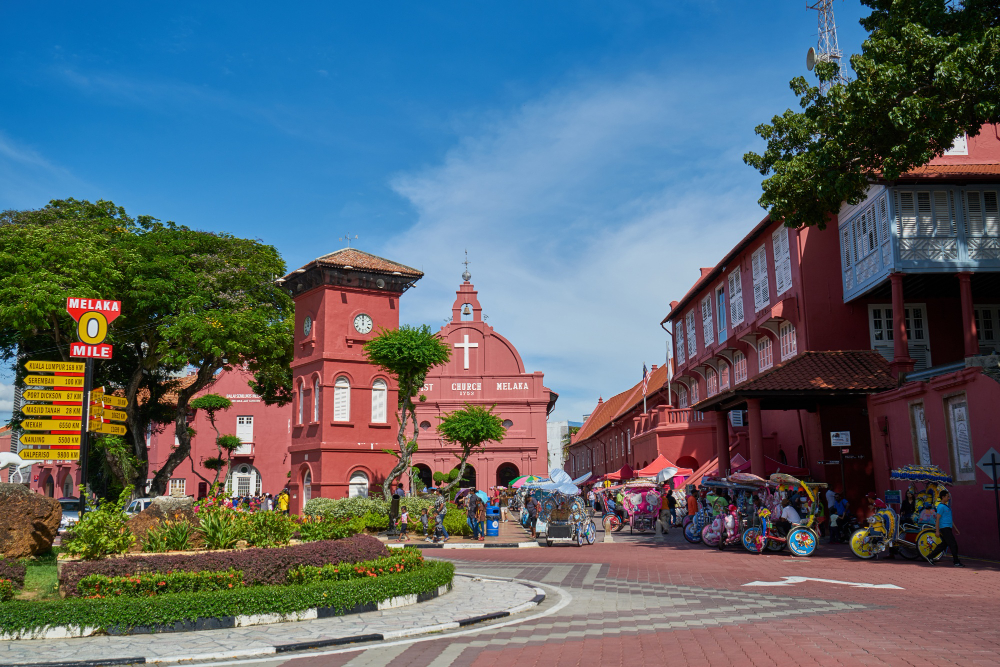
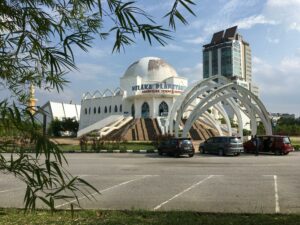
Malacca, also known as Melaka, is a historic city on Malaysia’s west coast. Known for its rich cultural heritage, Malacca is a popular destination for visitors seeking a glimpse into Malaysia’s colonial past.

One of the most popular attractions in Malacca is the historic city center, which is home to several UNESCO World Heritage sites. In addition, you can visit the iconic Dutch Square, surrounded by landmark buildings such as the Stadthuys, Christ Church, and the Queen Victoria Fountain. The city center is also home to the Baba Nyonya Heritage Museum, which offers visitors a glimpse into the lifestyle of the Peranakan people, a unique ethnic group that emerged from the fusion of Chinese and Malay cultures.

Malacca is also known for its vibrant cuisine, which offers a range of local delicacies, such as Nyonya Laksa and Chicken Rice Balls. Also, explore the Jonker Street Night Market, known for its street food stalls and handicrafts. Moreover, Malacca has a range of spas and wellness centers where you can indulge in traditional massage and reflexology treatments. The city is also home to several beaches, such as Klebang Beach, which offer stunning views of the Malacca Strait.

Click here to know more

  • Bintan Island

Bintan Island is a picturesque destination in Indonesia, just a short 60-minute ferry ride away from Singapore. The island is known for its stunning beaches, lush rainforests, and world-class resorts, making it an ideal destination for a relaxing getaway. However, Bintan Island’s most popular attractions are its pristine beaches, such as Lagoi Bay and Trikora Beach, where travelers can indulge in various water activities, such as snorkeling, jet skiing, and parasailing.

It is also known for its rich cultural heritage, with several historical landmarks and temples to explore. One of the most popular destinations here is Penyengat Island, home to many historic landmarks, including the Sultan’s Palace and the Great Mosque. In addition, you can visit the Buddhist temple of Vihara Ksitigarbha Bodhisattva, known for its impressive architecture and serene atmosphere.

The Island also offers many spas and wellness centers where visitors can indulge in several treatments, including traditional massage, reflexology, and aromatherapy. The island is also home to several world-class golf courses, which offer stunning views of the island’s lush scenery.

Pro Tip: Being a part of Indonesia, an Electronic Visa on Arrival (E-VOA) applies to the island. As the pricing of this VISA may be dynamic, we recommend checking any such cost closer to your arrival date.

Click here to know more

  • Pulau Ubin

Pulau Ubin is an island located to thenortheast of Singapore. Known for its tranquil and rustic atmosphere, Pulau Ubin is a popular destination for visitors seeking a quick escape from the hustle and bustle of the city. One of the most popular activities on Pulau Ubin is cycling, as the island offers several cycling routes that provide visitors with stunning views of the island’s lush scenery. Visitors can rent a bike at the village center and explore the island at their own pace, stopping at several scenic spots, such as Chek Jawa Wetlands and Pekan Quarry.

Moreover, the island is famous for its rich biodiversity, with several species of plants and animals that are rare and endangered. Visitors can explore the island’s mangrove forests, which are home to a range of wildlife, such as mudskippers, kingfishers, and monitor lizards. The island also has several bird-watching spots, such as Jelutong Tower and Butterfly Hill.

Click here to know more

Thus, after thoroughly exploring the island nation of Singapore during your stay, all the above-mentioned options can come to you as a quick escape from the bustling city life of Singapore. Choose one or more of these options based on your preferences and budget to cap off a memorable trip to this tropical city-state.

Hey girl, are you planning your solo trip to Singapore? You’re in for a treat! Safety is paramount here, making it a prime choice for women exploring the world solo. This city-state is renowned for its exceptionally low crime rates, well-organized infrastructure, and welcoming atmosphere, ensuring a secure environment for all travellers, especially women. So, if you’re seeking a place where you can explore independently without any worries, Singapore’s got your back. Here are our recommendations for you to explore when you are on a solo travel to Singapore.

Where to Go as a Solo Female Traveller

1. Joo Chiat

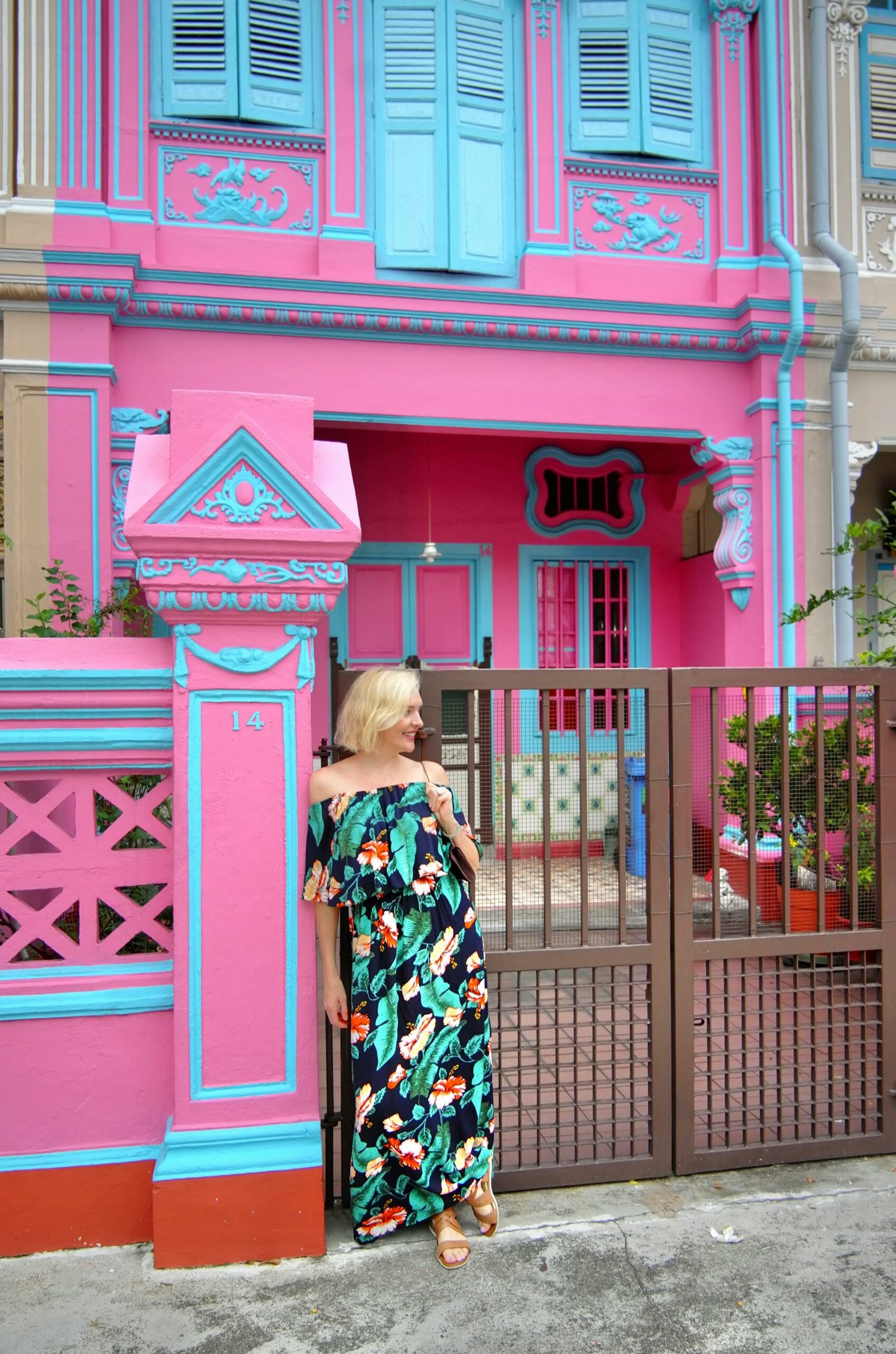
Joo Chiat is a road in Katong and a residential conservation area located on the east coast of Singapore. It is known for its rich Peranakan architecture and culture and has won several architectural and heritage awards, including the United Nations’ UNESCO Asia-Pacific Awards for Cultural Heritage Conservation.

Attractions: The Peranakan Museum and Katong Antique House offer glimpses into the area’s unique culture.

Shopping: Visit Joo Chiat Road for a diverse shopping experience with various boutiques, markets, and unique finds in colourful shophouses.

Popular cafes: Explore Awfully Chocolate Bakery & Cafe, Sinpopo Brand, Fresh Fruits Lab, and Group Therapy Coffee for different dining experiences.

Photogenic Spots: Capture the vibrant Peranakan houses along Koon Seng Road, Joo Chiat Road, and Emerald Hill Road.

Hotels: Consider staying at the Aqueen Heritage Hotel Joo Chiat on your solo travel to Singapore. It is known for its convenient location near popular dining spots.

How to Get There: Take the MRT to Eunos station. There are multiple buses from the bus stops near the area to get to Joo Chiat.

➕Insider Safety Tip: While exploring, periodically update your loved ones about your location. This ensures peace of mind and keeps them informed about your whereabouts while you explore the city.

2. Haji Lane

Haji Lane, nestled in Kampong Glam, boasts independent fashion boutiques, Middle Eastern cafes, and vibrant street art. On your solo travel to Singapore, visit Haji Lane for its vibrant and eclectic mix of shops, cafes, and street art.

Popular Attractions: Sultan Mosque and Gardens by the Bay. The Sultan Mosque, an iconic landmark, was built in the 1800s and is a window into the country’s Muslim heritage. It accommodates up to 5,000 people in its prayer hall and provides various services and courses. Meanwhile, Gardens by the Bay offers theme gardens and steel-and-glass-domed conservatories.

Shopping: Explore the eclectic boutiques along Haji Lane for unique fashion finds and artisanal goods. Also, you can visit Arab Street and Bugis Street for a different shopping experience.

Popular Cafes: Enjoy Middle Eastern cuisine and a vibrant atmosphere at cafes along Haji Lane. Some unique cafes are Selfie Coffee, I Am… Cafe, and Working Title.

Photogenic Spots: Capture the colourful street art that adorns Haji Lane, perfect for striking photographs.

Hotels: Consider staying at Hotel Clover 33 Jalan Sultan or Hotel NuVe Heritage.

How to Get There: Take the MRT to Bugis station.

➕Insider Safety Tip: Refrain from immediate social media posts or geotagging while exploring. Delayed posting ensures privacy and avoids revealing your current location in real-time.

3. Old Airport Road Food Centre

The Old Airport Road Food Centre is a well-loved hawker complex in Singapore that has been delighting locals and visitors since 1973. It houses more than 150 stalls offering a diverse selection of local food.

Popular Food: Some of the must-try dishes include hokkien mee from Nam Sing Hokkien Mee, silky beancurd pudding from Lao Ban Soya Beancurd, and roasted gourmet pork from Roast Paradise. Try noodle soups, stir-fries, and dumplings from various stalls.

Hotels: Nearby options include Hotel Indigo Singapore Katong and Holiday Inn Express Singapore Katong.

How to Get There: Take the MRT to Dakota Station.

➕Insider Safety Tip: After a meal, take a leisurely walk around the neighbourhood. The surrounding houses are public housing for local Singaporeans and are a great experience for tourists to get a first-hand experience of how locals live.

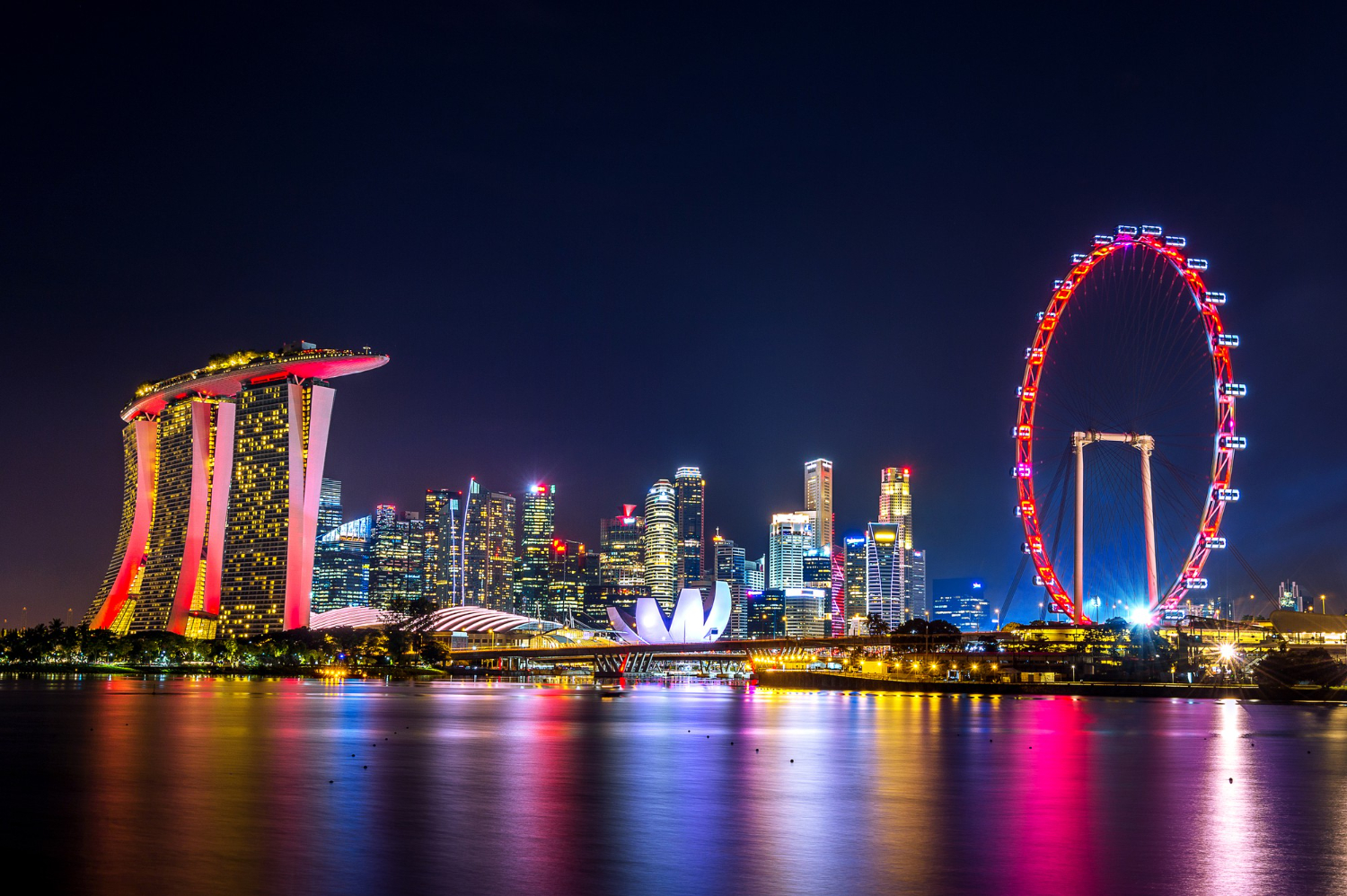
4. Marina Bay Sands Skypark Observation Deck

For breathtaking views, head to the Marina Bay Sands Skypark Observation Deck on the 57th floor. Witness the cityscape, Supertree Grove, and iconic landmarks like the Esplanade.

Popular Attractions Nearby: ArtScience Museum, Sampan ride

Photogenic Spots: Experience panoramic views of Singapore’s skyline from the 57th floor of Marina Bay Sands. Moreover, you can head to Marina Bay Sands for the Spectra light and water show.

Popular Cafes: You can indulge yourself at the Spago Dining Room, where the menu offers an eclectic selection of cuisines from around the globe, reflecting California’s Must-try signatures such as Big Eye Tuna Tartare, Honey Miso Black Cod, and Seasonal Agnolotti. You can also visit the RISE Restaurant, a buffet restaurant offering a wide variety of cuisines from around the world, including Chinese, local, Western, and other Asian delicacies. The buffet features fresh seafood, crustaceans, and shellfish from sustainable sources, as well as sashimi and sushi. It also has live stations for carving, grilling, and Indian delights such as dosa and prata.

Hotels: You can consider staying at the Swissotel the Stamford, Royal Plaza on Scotts, Marina Bay Sands, or Pan Pacific Singapore. All these are close to major attractions and will offer safety for your solo travel in Singapore.

How to Get There: Take the Circle Line or Downtown Line to Bayfront MRT Station and follow signs to the Observation Deck.

➕Insider Safety Tip: Stay aware of your surroundings. Continuously observe your environment, noticing any changes or unusual behaviour, especially in crowded or unfamiliar places.

5. Clark Quay

Today, Clarke Quay has become one of Singapore’s food, drink, and entertainment hubs, with many restaurants, bars, and clubs. It is a hotspot for friend groups, dates, and tourists and can be easily explored on your own during your solo travel in Singapore. You can also go on river cruises and river taxis on the Singapore River from Clarke Quay.

Popular Attractions: Explore the Asian Civilisations Museum, Fort Canning Park, and Hong San See Temple, all historical and cultural landmarks, for a deeper understanding of Singapore’s heritage

Popular Cafes: Enjoy a cup of coffee or a casual meal at the Kith Cafe or Common Man Coffee Roasters.

Photogenic Spots: Visit the MICA Building for its historic significance and art galleries. Once a police stronghold turned vibrant national monument, the MICA building, constructed in 1934, boasts eccentrically painted shutters and doors. Originally housing police officers with modern amenities like free curry and a barbershop, it now serves as government offices after a meticulous restoration in 1997, retaining much of its original charm while blending with modern functionality.

Hotels: Consider staying at Novotel Singapore Clarke Quay or Swissotel Merchant Court Singapore for a comfortable experience near Clark Quay.

How to Get There: Take the MRT to Clark Quay station.

➕Insider Tip: For the adventurous who want to experience an adrenaline-pumping bungy jump, you can visit G-MAX Reverse Bungy.

6. Sentosa Island

Sentosa Island, known as ‘The State of Fun,’ is a 500-hectare island off the southern coast of Singapore’s main island. On your solo travel to Singapore, escape to this paradise offering a 2 km long beach, Universal Studios Singapore, and luxury accommodations. It also features pristine beaches, lush rainforests, and award-winning spas, making it a popular destination for tourists seeking entertainment and relaxation. Some of the best things to do on Sentosa Island include visiting the themed attractions, exploring the beaches, and enjoying various activities such as ziplining, skydiving, and beach volleyball.

Popular Attractions: The island is home to various attractions, including Resorts World Sentosa, Universal Studios Singapore, S.E.A. Aquarium, and Fort Siloso.

Popular Cafes: Visit Tanjong Beach Club and Trapizza for a relaxing dining experience.

Photogenic Spots: The entire island is the backdrop for stunning photo opportunities, but some of the most photogenic spots include the iconic Merlion statue, the vibrant Palawan Beach, and the picturesque Southernmost Point of Continental Asia.

Hotels: Consider staying at Capella Singapore or Resorts World Sentosa for a luxurious experience.

How to Get There: Take the MRT to Harbourfront station.

➕Insider Safety Tip: Minimize the visibility of expensive items such as jewellery, gadgets, or large amounts of cash to avoid attracting unnecessary attention.

Wrapping Up

For women embarking on a solo trip to Singapore, these destinations ensure safe and captivating experiences. Enjoy diverse cuisines, cultural explorations, picturesque spots, and comfortable accommodations across these remarkable locales. Explore with confidence and embrace the wonders of solo travel in Singapore!

Are you planning a trip to Singapore? With its vibrant culture, a stunning skyline, and delicious cuisine, there’s no shortage of things to see and do. But before you set off on your adventure, it’s essential to pack the right items to ensure a comfortable and enjoyable trip. From the essentials like sunscreen and comfortable shoes to the must-haves like a camera and an umbrella, we’ll help you pack everything you need to make the most of your visit. So grab your suitcase and get ready to explore all Singapore has to offer!

Considerations for what to Pack for Singapore

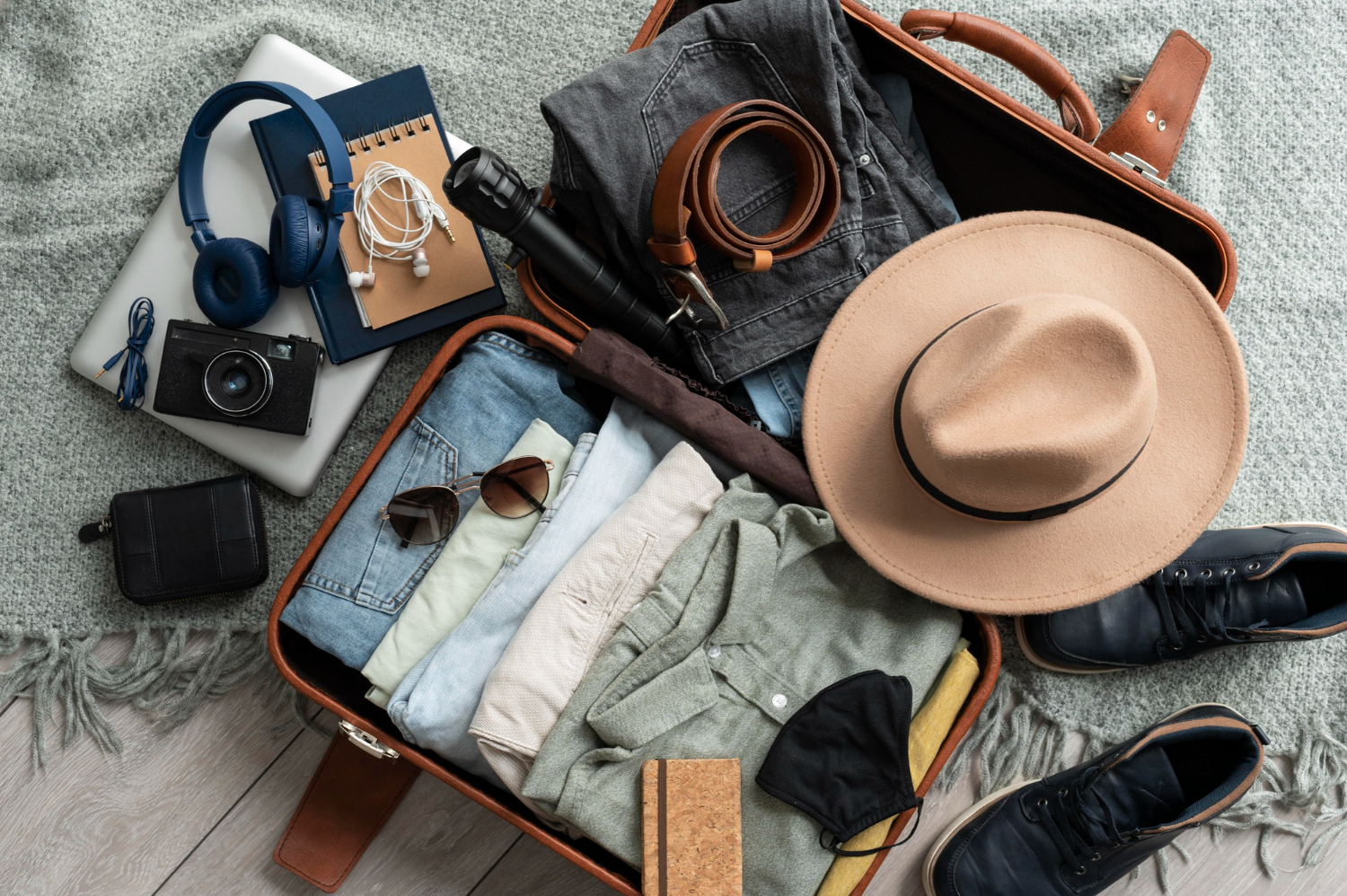
Before you forget, pack your passport, visa, travel insurance, and other essential travel documents. Next, ensure you pack your international debit and credit cards in your wallet. It’s essential to pack any necessary medications, both prescription and over-the-counter.

➕Insider Tip: Before you embark on your trip to Singapore, save copies of important documents. 

Now here are some considerations you should keep in mind while you pack your bags for Singapore

  • Weather: Singapore has a hot and humid tropical climate with temperatures ranging from 24°C to 32°C (75°F to 90°F) and frequent rain showers throughout the year. The humidity can make it feel hotter than it is, so pack lightweight clothing.
  • Tradition: Singapore is a diverse cultural melting pot, so it’s important to respect local customs. Dress modestly and remove your shoes when visiting religious sites. Avoid public displays of affection and refrain from pointing with your feet.
  • Restrictions: Singapore has strict laws prohibiting certain items such as chewing gum, e-cigarettes, and vaporizers. The possession and consumption of drugs can result in severe penalties, including the death penalty. 
  • Short or long visit: For short visits, pack light with comfortable walking shoes, a light rain jacket or umbrella, and a small bag for belongings. For longer stays, bring a variety of clothing options, including lightweight and breathable fabrics, and formal attire for business or social events.

What to Wear in Singapore

Singapore has a tropical climate, which means it is hot and humid year-round. Therefore, it’s important to pack light and breathable clothing that will keep you comfortable in the heat.

For the spring (March to May) and summer seasons (June to September), pack lightweight and loose-fitting clothes such as cotton t-shirts, shorts, and skirts. The occasional thunderstorms are common during the summer, so it’s best to bring a light raincoat or an umbrella as well.

In the fall and winter seasons (October to February), Singapore experiences slightly cooler temperatures and more frequent rain. You can still wear lightweight clothes during this period, but you may want to bring a light jacket or sweater for cooler evenings. 

Similarly, swimwear is a must-pack for Singapore’s beautiful beaches and pools. Choose comfortable, well-fitting swimwear that is appropriate. Don’t forget a cover-up or light clothing to protect your skin from the sun and transition to other activities.

➕ Insider Tip: Choose loose-fitting clothes in natural fabrics like cotton, linen, or silk—they will help keep you cool throughout the day. 

Choosing the Right Shoes for Singapore

When packing for Singapore, remember the tropical climate and diverse activities you might do. Significantly, pack a good pair of shoes that are both comfortable and suitable for the climate.

The heat and humidity in Singapore can make it uncomfortable to wear closed-toe shoes. Therefore, pack open-toed shoes or sandals that allow your feet to breathe. For sightseeing and outdoor activities, sneakers or athletic shoes are a good choice.

If you plan to visit religious sites, pack slip-on shoes as these places require visitors to remove footwear before entering.

Singapore experiences frequent tropical showers, so pack waterproof or water-resistant shoes such as flip-flops or sandals with good grip that are easy to dry and clean. 

Lastly, if you plan to go out at night or attend a formal event, pack a pair of dress shoes or heels. Singapore has a relatively casual dress code, but some venues may require more formal attire.

➕Insider Tip: Don’t forget to pack socks to keep your feet dry and comfortable, especially during hot and humid weather.

Electronics to Bring Along

When traveling to Singapore, pack the right electronics to ensure a smooth and enjoyable trip. 

Firstly, bring a universal power adapter, as Singapore’s electrical outlets use the British three-pin plug. Secondly, a portable charger will ensure your phone’s battery doesn’t run out while on the go. Thirdly, a camera will be essential to capturing the beautiful sights of Singapore. For those planning to capture their adventures, a GoPro camera is perfect for outdoor activities like hiking, cycling, and water sports. Finally, for those planning to take lots of photos or videos, an external hard drive can help store their data. Don’t forget your noise-canceling headphones and an e-book reader, which will provide peace and entertainment during downtime. 

Furthermore, for those who need to work on the go, don’t forget your laptops and chargers. While many hotels and cafes in Singapore offer free Wi-Fi, a portable Wi-Fi router or VPN can provide uninterrupted and secure connectivity. You can also benefit from bringing a spike board by charging multiple devices at once. 

The tropical weather in Singapore can be unpredictable, so it’s wise to bring a waterproof phone case to keep your phone dry during sudden rain showers.

➕Insider Tip: Personalize your luggage with a distinctive design or brightly colored tag to avoid confusion and loss. This can save you time and hassle while traveling.

Essential Toiletries and Accessories

Singapore is a highly developed city where everyday items and consumer goods are readily available, including common Western toiletries such as deodorant, tampons, and sanitary pads. You can save space in your luggage by not packing these items. However, you can also pack your toiletries to save time and avoid making extra trips to convenience stores upon arrival.

Another essential item to pack is protection against the sun. Bring a hat, sunglasses, and sunscreen with SPF 30 or higher to shield your skin from Singapore’s strong sun, even on cloudy days. In addition to the sun, mosquitoes are common in Singapore, so pack insect repellent to keep them away.

Don’t forget a quick-dry travel towel to wipe away sweat after walking around in Singapore’s heat or a laundry bag to stow away all your dirty clothes!

➕Insider Tip: Avoid overpacking as shopping is easily accessible and prices are affordable. Remember, less is more. Anything you forget or need can be purchased while exploring the city.

There you have it—the perfect Singapore packing list! Whether alone or with family, you’ll be well-prepared to enjoy the many attractions Lion City has to offer. Use this checklist to make the most of your time in Singapore and focus on making lasting memories. Enjoy your stay.

Are you planning a trip to Singapore? Remember to change your money! Singapore offers a plethora of options for tourists to exchange money. Although it is known to be one of the more expensive countries, the availability of numerous money changers, each with their unique rates and services, makes it easy for visitors to find a suitable option. Whether you’re looking to exchange cash or use your credit card, Singapore’s money changers have got you covered. This guide will show you the best money changers in Singapore and provide helpful tips to help you get the best exchange rates and maximize your money. 

Overview of Currency in Singapore

Singapore’s currency is the Singapore dollar (SGD). It has been in use since 1967, and it’s one of the most stable currencies in the world. The Singapore dollar is divided into 100 cents in the denominations of 5c, 10c, 20c, 50c, and S$1. The dollar notes come in S$2, S$5, S$10, S$50, S$100, S$500, and S$1,000. When you’re in Singapore, you’ll find that most places accept cash, but credit cards are also widely accepted.

You can easily exchange your currency at banks, hotels, and various money changers throughout the city. However, exchange rates may vary between providers, so compare rates before your exchange.  Most major currencies, such as the US Dollar, British Pound, Euro, Japanese Yen, and Australian Dollar, are widely accepted for exchange in Singapore. There are regulations to consider, such as declaring amounts exceeding SGD 20000 or equivalent upon arrival, carrying money exchange receipts, and reporting cash over 5000 USD. 

Exchange Rates and Fees

Exchange rates vary depending on where you exchange your currency but aim to trade as close to the actual rate as possible. Watch out for hidden fees and commissions that can reduce your exchange rate. It’s also wise to compare rates offered by different exchange options for the best deal.

To learn more about the Singapore Dollar (SGD) Exchange Rate with other currencies, visit the Monetary Authority of Singapore (MAS) website.

Where to Exchange Currency?

Exchange options in Singapore include banks, money changers, airports, hotels, and shopping malls. Banks are a reliable and secure option for currency exchange, but they may charge higher fees and have longer processing times compared to other money changers. It’s a good idea to check with your bank before your trip to see if they have any partnerships with banks in Singapore that could offer you better rates.

Insider Tip: Avoid exchanging money at airports or hotels, as they often have higher rates and fees.

Credit cards are widely accepted in Singapore, including major brands like Visa, MasterCard, and American Express, at most establishments, such as restaurants, shops, and hotels. ATMs at major shopping malls, tourist attractions, and MRT stations are also available throughout the city, accepting a wide range of foreign cards and offering cash withdrawals in SGD or your home currency. However, some ATMs may charge a fee for foreign transactions, so check with your bank beforehand to avoid surprises.

Insider Tip: Avoid exchanging large amounts of money at once to minimize your risk of loss or theft. Carry a mix of cash and credit cards for flexibility and convenience.

Money changers are a popular option in Singapore, found in shopping malls, tourist areas, and transportation hubs. They offer competitive rates and faster processing times than banks, but be cautious and compare rates between outlets for the best deal. 

Popular Currency Exchange Spots in Singapore:

  • The Arcade

The Arcade’s prime location in the Central Business District makes it ideal for fast currency exchange, with many well-known tourist spots nearby. Being located in one of the city’s more affluent areas, visitors can trust the reliability of transactions here. 

Click here to know more.

Insider Tip: When exchanging money in Singapore, ensure you only use licensed money changers, as they are regulated by MAS. Look for the “licensed moneylender” sign or “Remittance License” at their storefront.

  • Mustafa Foreign Exchange

This is a good option if you’re looking for a 24-hour currency exchange centre in Singapore. They offer competitive rates for major currencies and are conveniently in the heart of Little India.

Check their website for more information.

Insider Tip: Compare rates at different exchange centres before making a transaction to ensure you get the best deal.

  • Lucky Plaza

Lucky Plaza on Orchard Road is a popular shopping destination for tourists and locals. This shopping centre also houses several money exchange counters on its ground floor. Visitors can easily exchange their currency for SGD here, with many counters offering competitive rates.

Click here to know more.

Insider Tip: Always count your money carefully before leaving the booth to ensure you receive the correct amount in good condition.

  • Parkway Parade Shopping Center

Parkway Parade is a famous shopping mall on the East Coast of Singapore. The mall offers a range of shops, restaurants, and services, including several money exchange counters on its first floor. Visitors can easily exchange their currency for SGD here, with many counters offering competitive rates.

Click here to know more.

Insider Tip: Check for any hidden fees or commissions before making a transaction.

  • People’s Park Complex Chinatown

People’s Park Complex, a shopping mall in Chinatown, houses several currency exchange centres. With numerous money changers in the same complex, it’s easy to compare rates and find the best deal.

Click here to know more.

Insider Tip: Consider using online money changers like TransferWise or InstaReM for the best exchange rates, avoiding the hassle of going to a physical exchange centre. 

Check out TransferWise or InstaReM.

In conclusion, exchanging money is essential when visiting Singapore. With the tips in this guide, you can make an informed decision, compare rates, and only use licensed money changers for a safe and legitimate transaction. Make the most of your money and enjoy your trip to Singapore!

Additional Resources

If you’re looking for additional resources to help you plan your trip to Singapore, be sure to check out these helpful links:

Singapore Tourism Board

Singapore Government

Money Changers Association 

Singapore is a bustling city-state that is known for its fast-paced lifestyle. However, there are plenty of places to chill in Singapore that offer a relaxing escape from the hustle and bustle of the city. Whether you’re a local or a visitor, there are plenty of activities to help you unwind and relax. 

Let’s look at some of the best chill-out places in Singapore that you can visit to relax.

An Alternate Guide to Relaxing Activities in Singapore

1. Gallop Stable

Gallop Stable is a horse riding centre in Singapore that offers a variety of horse-related activities such as riding lessons, pony rides and feeding, trail rides, and riding camps. Gallop Stable started in 2003 with 13 friendly ponies and has since expanded to become one of Singapore’s largest public riding centres with over 200 stables. The activities at Gallop Stable are suitable for everyone, young and old. Children as young as three years old can go on a horse and pony ride, making it a perfect option for places to chill in Singapore. They also offer private classes for junior riders, semi-private instruction, and group lessons. You can groom and feed the horses and tour the stables to learn more about horses.

For more information, click here.

➕Insider Tip: Wear comfortable clothes and shoes. Don’t forget to bring sunscreen.

2. Hush

Hush is a silent tea bar in Singapore that offers a unique experience to chill in Singapore. It is run by the hearing impaired and led by trained deaf ‘TeaRistas.’ The sessions are carefully crafted and human-centeredly designed to fit your needs, complete with natural elements to create a conducive experience. Hush TeaBar is a social movement that champions mental well-being, empathy, and social inclusion through a unique tea experience of silence and sign language. The Hush Experience is a unique 4-zone journey of experiential empathy co-led by the Deaf and Hearing, aiming to promote community engagement and inclusivity.

Click here to know more.

Nearest MRT: Outram Park MRT

➕Insider Tip: Try the matcha latte. It’s delicious!

3. The Sundowner

The Sundowner in Singapore offers a unique Rooftop Farm Experience (RFE) where visitors can reconnect with nature and learn about interconnected ecosystems. The 2-hour tour includes three unique activities: an Organic Farming Class and a Bee Encounter, each lasting 40 minutes. The Sundowner is described as a low-key rooftop farm and nature centre on the East Coast, providing wholesome workshops, a rooftop cinema, and chill lounge spots. The Nature Experience Centre is adorned with lush greenery and comfortable seating, creating the perfect place to chill in Singapore

Click here to know more.

Nearest MRT: Kembangan MRT

➕Insider Tip: Don’t forget to try the honey!

4. The Plant Story

Unleash your creativity at The Plant Story by building your own terrarium! It offers the opportunity to craft a terrarium, desert, air, or water garden during one-hour miniature garden workshops guided by trainers. You can also enjoy a personalised experience by learning about plants and engaging in hands-on activities such as smelling and touching the plants.

Click here to know more.

Nearest MRT: Sengkang MRT

➕Insider Tip: Try the succulents; they are easy to take care of.

5. Scentopia Singapore

The Scentopia Singapore workshop offers an immersive experience where you can create your own personalised perfumes. It is located near the beautiful Siloso Beach on Sentosa Island and is described as one of the lesser-known places to chill in Singapore. It is a gateway to interactive workshops, personalised perfumes, and various scented delights. The Scentopia ticket, available for both enthusiasts and novices, guarantees a meaningful and enchanting journey through the world of aromas. The workshop aims to provide a unique and unforgettable experience, making it a popular choice for team-building activities as well. 

Click here to know more.

Nearest MRT: 

➕Insider Tip: Book 2 hours prior to your visit. Perfect for spontaneous outings!

6. Spectre 

Bar Spectre is a vintage apothecary bar that offers craft cocktails and locally inspired contemporary comfort bar bites. The bar is designed around the Japanese concept of ‘Kintsugi,’ the art of repair and celebrates imperfection and growth. The bar also focuses on raising awareness about mental well-being and offers cocktails designed with talk therapy techniques in mind. The ingredients used in the cocktails are sustainable, and the menu emphasises apothecary healing and mental wellness. The bar also holds regular mindful workshops like art jamming, wine tasting, and whisky masterclasses. The team behind Bar Spectre has a diverse background in culinary arts, hospitality, and wellness, and their expertise is surpassed only by their genuine dedication to ensuring guests’ experiences are nothing short of meaningful and chill in Singapore.

Click here to know more.

Nearest MRT: Tanjong Pagar

➕Insider Tip: Try chamomile tea; it’s very soothing.

Singapore may be known for its fast-paced lifestyle, but it also offers numerous opportunities for relaxation. Whatever you choose, there are plenty of places to chill in Singapore to help you unwind. So take some time and discover these chill-out places in Singapore for a truly rejuvenating experience. 

Scroll to Top