Culture

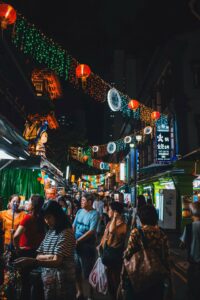
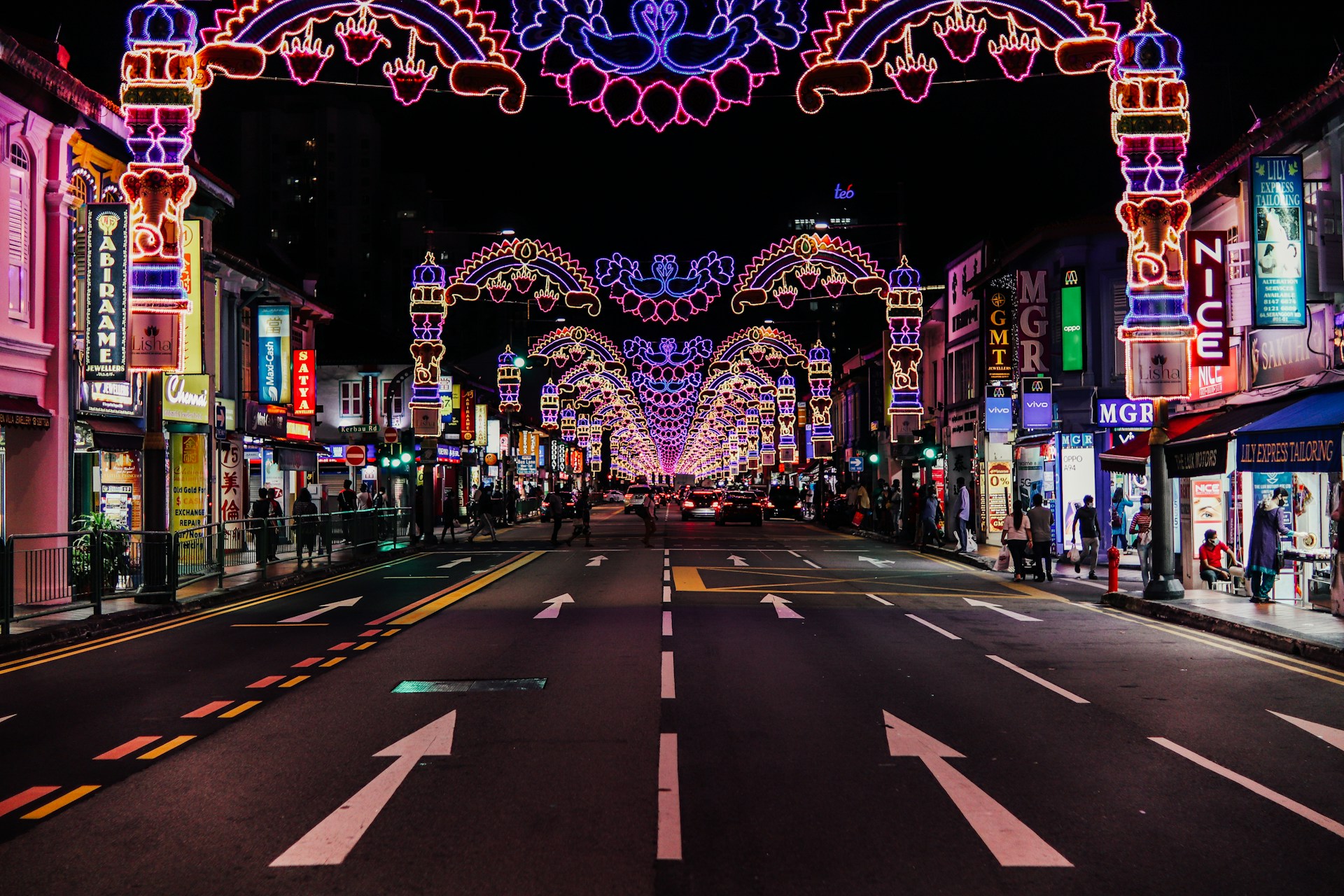
Welcome to Little India, a vibrant and colorful neighborhood that beckons you to experience the rich cultural tapestry of Singapore, where the sights, sounds, and smells will transport you to another world. From the vibrant flower garlands and aromatic spices to the intricate henna tattoos and elaborate silk saris, Little India is a feast for the senses. As you stroll through the bustling streets, you’ll be enveloped in the warmth and hospitality of the local community, who are always eager to share their customs, traditions, and stories with visitors. So come, let us guide you to the hidden gems of Little India. Let the adventure begin!

Getting to Little India: A Journey Worth Taking

To get to Little India, there are several transportation options available:

  1. MRT: The most convenient way to get to Little India is to take the MRT. The nearest station is the Little India MRT Station, which is on the Downtown Line (DT12) and the North East Line (NE7). From there, you can easily walk to the main entrance of Little India.
  2. Bus: Little India is well-served by several bus routes, with several bus stops located along Serangoon Road and Bukit Timah Road. You can check the bus routes and timings on the TransitLink website.
  3. Taxi: Visitors can also take a taxi to Little India, which is a convenient option for those traveling in a group or with luggage. If you prefer to take Grab to Chinatown, download the Grab app and book a ride to the main entrance of Chinatown on Pagoda Street.

Now, to get to the main entrance of Little India from the Little India MRT Station, you can follow these directions:

  • Take Exit E from the station, which leads to the Tekka Centre.
  • Once you exit the station, cross the road and turn left.
  • Walk straight for about 5 minutes until you reach Serangoon Road.
  • You will see the main entrance of Little India on your left-hand side.

➕Insider Tips: Get an EZ-Link Card for hassle-free transport. Use it for MRT, bus, and some taxi fares.

Stay in the Heart of Little India

Several accommodation options are available in Little India, ranging from budget-friendly hostels to more luxurious hotels. Here are some of the top options

  1. The Noble Hotel: This hotel is located right in the heart of Little India and offers comfortable rooms at an affordable price. It is within walking distance of many restaurants, shops, and attractions.

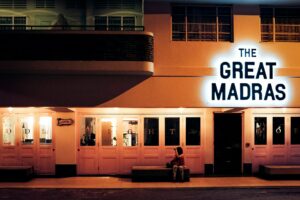
The Great Madras: This hotel is located in a colorful and historic building in Little India, offering stylish and comfortable rooms with modern amenities. It has a rooftop pool and bar with a restaurant and lounge.
➕Insider Tip: For longer stays, book a serviced apartment instead of a hotel. Enjoy amenities like a kitchen and laundry facilities, saving you dining and laundry expenses.

Must-See Sights in Little India

There are many amazing sights to see in Little India, Singapore.

  1. Sri Veeramakaliamman Temple: This colorful and ornate Hindu temple is dedicated to the goddess Kali and is a must-visit for anyone interested in the rich cultural heritage of Singapore.

Click here to know more

  1. Indian Heritage Centre: This museum showcases the history and culture of Singapore’s Indian community and is a great place to learn more about the local customs and traditions.

Click here to know more

  1. Sri Srinivasa Perumal Temple: This beautiful Hindu temple is dedicated to the god Vishnu and is another must-visit for anyone interested in the local culture and traditions.

Click here to know more

Savor the Spice: Little India’s Best Eats

Little India is a foodie paradise, offering numerous eating and drinking options, from traditional Indian food to fusion cuisine.

  1. Komala Vilas: This is a legendary vegetarian restaurant in Little India that has been serving up delicious South Indian food for over 70 years. Some of their must-try dishes include masala dosa, vada, and thali.

Click here to know more

  1. Tekka Market: For a more local experience, head to Tekka Market, a bustling hawker centre in Little India. Here, you’ll find a variety of stalls selling everything from Indian rojak to prata. Be sure to try the famous mee goreng from Al Mahboob Indian Muslim Food.

Click here to know more

  1. The Flying Monkey: For a more upscale dining experience, try The Flying Monkey, an Indian gastro bar that serves up creative cocktails and modern Indian cuisine. Some of their standout dishes include the butter chicken sliders and the lamb seekh kebab.

Click here to know more

➕Insider Tips: Sample the desserts. Little India is known for its sweet treats, including traditional Indian sweets like gulab jamun and laddu. Be sure to try the popular ice cream sandwich at the aptly named Ice Cream Chefs.

Shop ’til You Drop: Little India Markets


Little India is known for its vibrant markets and shops that sell a wide range of goods, including traditional textiles, jewelry, handicrafts, spices, and food.

  1. Mustafa Centre: A 24-hour shopping mall that sells everything from electronics and clothes to jewelry and groceries.

Click here to know more

  1. Serangoon Road: A busy shopping street that offers a mix of modern shops and traditional businesses, including goldsmiths and sari shops.

Click here to know more

➕Insider Tip: For an authentic Indian shopping experience, head to Little India Arcade and explore Campbell Lane’s textile and sari shops or Buffalo Road’s spice shops for a wide selection of herbs, spices, and teas.

Little India After Dark: Nightlife Hotspots

Little India offers a vibrant nightlife scene with plenty of options for visitors looking for a fun night out. For those looking for a more laid-back atmosphere, several rooftop bars offer great views of the neighborhood.

  1. If you’re in the mood for live music, head to the Blu Jaz Cafe, a popular spot for jazz and blues performances. The venue also serves food and drinks, making it a great place to spend an entire evening.
  2. For those looking to dance the night away, several clubs in Little India offer a lively atmosphere and a range of music genres. One popular spot is the Zouk Club, known for its cutting-edge electronic music and international DJs.

➕Insider Tips: Try some craft beers. Little India has a growing craft beer scene, with several bars offering a wide selection of local and international brews. Check out Little Island Brewing Co or Brewerkz for some unique options.

Celebrate Culture: Little India Festivals
Little India is a cultural hub in Singapore and hosts a variety of events and festivals throughout the year. Here are some of the top events and festivals in Little India:

  1. Deepavali (Diwali): Deepavali, also known as Diwali, is the Festival of Lights and is one of the most important Hindu festivals.
  2. Thaipusam: Thaipusam is a Hindu festival that celebrates the victory of good over evil.
  3. Pongal: Pongal is a harvest festival celebrated by the Tamil community in Singapore.

Little India comes alive with colorful decorations, festive lights, and cultural performances during these festivals.


In conclusion, a visit to Little India in Singapore offers an unforgettable experience of vibrant colors, tantalizing aromas, and unique cultural experiences. From exploring the bustling streets filled with traditional markets and shops to indulging in various delicious cuisines and admiring stunning landmarks, Little India has something to offer everyone.
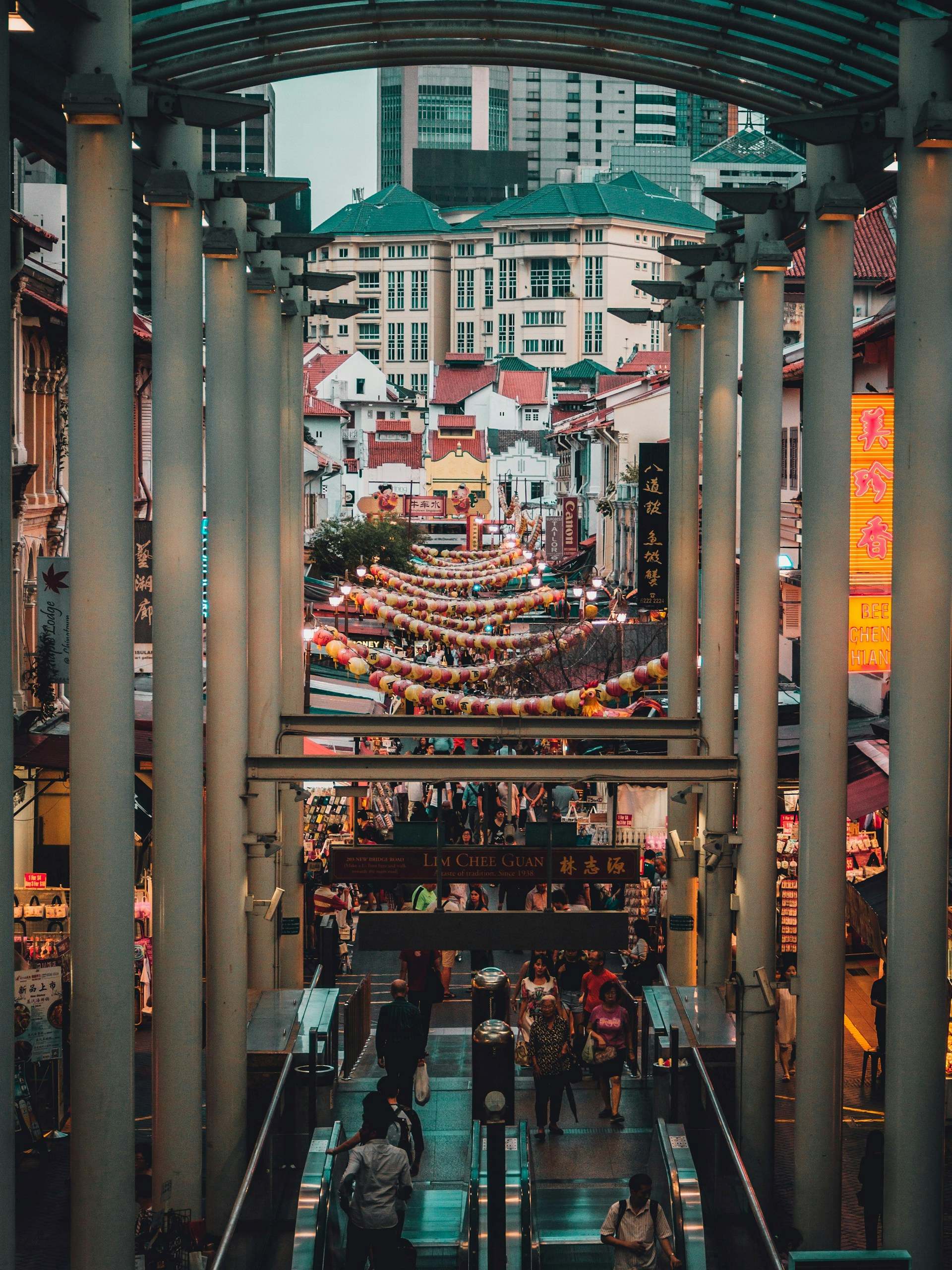
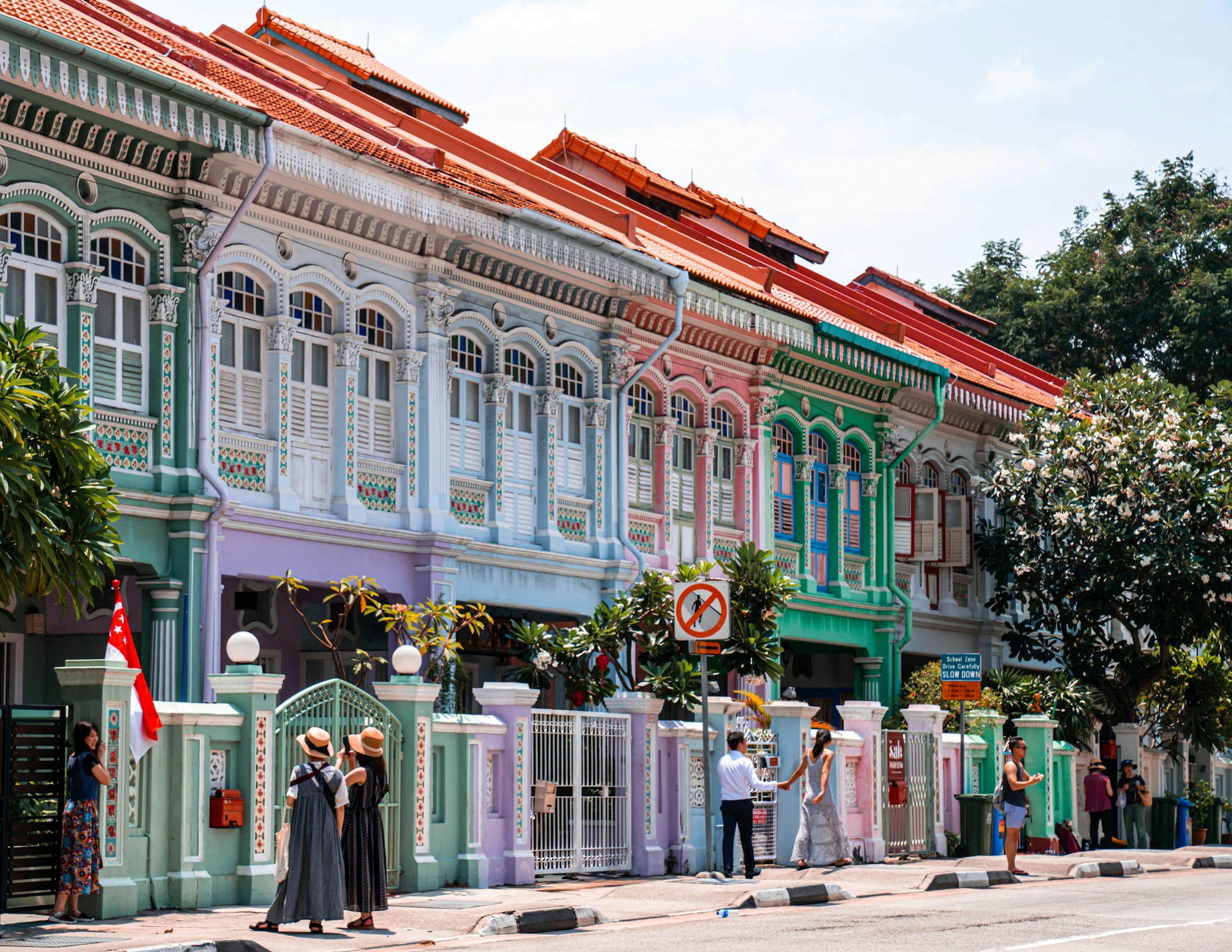
Welcome to Singapore’s vibrant Chinatown, a cultural hub bursting with energy, history, and excitement that is both a bustling commercial district and a fascinating cultural enclave. With its colorful shophouses, lively markets, and mouth-watering food, Chinatown is a must-visit destination for any traveller seeking to experience the rich tapestry of Singaporean culture.

Getting to Chinatown: A Journey Worth Taking

Chinatown is easily accessible by public transportation. The main entrance to Chinatown is Pagoda Street, a pedestrian-only street that runs through the heart of Chinatown.

  1. MRT: The Chinatown MRT station is located on the North-East Line and the Downtown Line, providing easy access to the neighborhood. Once you arrive at the station, take Exit A and follow the signs to the main entrance of Chinatown.
  2. Bus: Several bus routes run through Chinatown. Get off at either the Chinatown Point or the People’s Park Complex bus stop. You can check the bus route and timings on the TransitLink website.
  3. Taxi/Car: Taxis are readily available throughout Singapore. If you prefer to take Grab to Chinatown, download the Grab app and book a ride to the main entrance of Chinatown on Pagoda Street.
  4. Walking: Chinatown is a relatively small neighborhood and explorable on foot.

Insider Tip: If you’re coming from the airport, consider taking the MRT instead of a taxi to save money and avoid traffic.

Rest and Recharge: Accommodations in Chinatown

Chinatown Singapore offers visitors varied accommodation options, from budget-friendly hostels to luxury hotels. Here are some popular choices:

1.Cube Boutique Capsule Hotel

This modern and affordable hostel offers unique capsule-style accommodations for budget-conscious travelers. It also has a rooftop terrace and a shared lounge area for guests to relax and socialize.

2.Hotel Mono

This chic boutique hotel is a mid-range option located in Chinatown. The hotel features beautifully designed rooms with modern amenities, including a flat-screen TV and free Wi-Fi.

3.Dorsett Singapore

This luxury hotel is perfect for travelers who want comfort and convenience. It provides roomy accommodations and suites featuring contemporary décor and high-tech facilities, such as an outdoor pool, gym, and restaurant offering regional and global cuisines.

Chinatown’s Must-See Gems: Top Attractions

Chinatown in Singapore is a bustling and vibrant neighbourhood filled with rich cultural heritage and exciting attractions. The following are some of the must-see sights that tourists should include in their itinerary:

  1. Buddha Tooth Relic Temple and Museum: This stunning temple is dedicated to the Buddha and is home to a tooth relic that is said to have belonged to him. The temple also has a museum that showcases Buddhist artefacts from all over Asia.
  2. Sri Mariamman Temple: This is the oldest Hindu temple in Singapore and is known for its intricate architecture and colorful decorations. It is dedicated to the goddess Mariamman, who is worshipped for her ability to cure diseases.
  3. Maxwell Food Centre: No trip to Chinatown would be complete without sampling some of the amazing food! Maxwell Food Centre is a hawker centre that has a wide variety of stalls selling everything from traditional Chinese dishes to modern fusion cuisine.
  4. Thian Hock Keng Temple: This is one of Singapore’s oldest and most important Hokkien temples. It is dedicated to the goddess Mazu, who is worshipped by sailors for her ability to protect them at sea.
  5. Ann Siang Hill Park: This park is a great place to escape the hustle and bustle of Chinatown. It is located on a hill and has beautiful views of the city. Several restaurants and cafes nearby make it an incredible spot for a relaxing afternoon.

Insider Tip: Don’t be afraid to explore Chinatown Street Markets, as you never know what hidden gems you might find.

Savoring the Flavors: Eating and Drinking in Chinatown

The famous foodie destinations in Singapore are Chinatown, specifically the Maxwell Hawker Centre and Chinatown Food Street (Smith Street). The former is a bustling and vibrant center famous for its local dishes, including the iconic Tian Tian Hainanese chicken rice and Zhen Zhu Fang handmade noodles. Meanwhile, the latter is a pedestrian street with food stalls offering a diverse range of street food, snacks, and drinks, such as ice kacang and durian puffs, fried carrot cake, oyster omelets, sugarcane juice, and beer.

Experience the diverse culinary offerings of Chinatown-the rich and flavorful Bak Kut Teh at Song Fa; modern takes on classic dim sum at Dim Sum Haus; the popular breakfast combination of Kaya Toast and Kopi at Ya Kun Kaya Toast; and sweet and refreshing bubble tea at LiHO Tea and Koi Thé.

Insider Tip: Don’t be afraid to ask for recommendations from locals or stall owners, as they often have insider tips on the amazing dishes.

Treasure Hunt: Markets and Shops in Chinatown

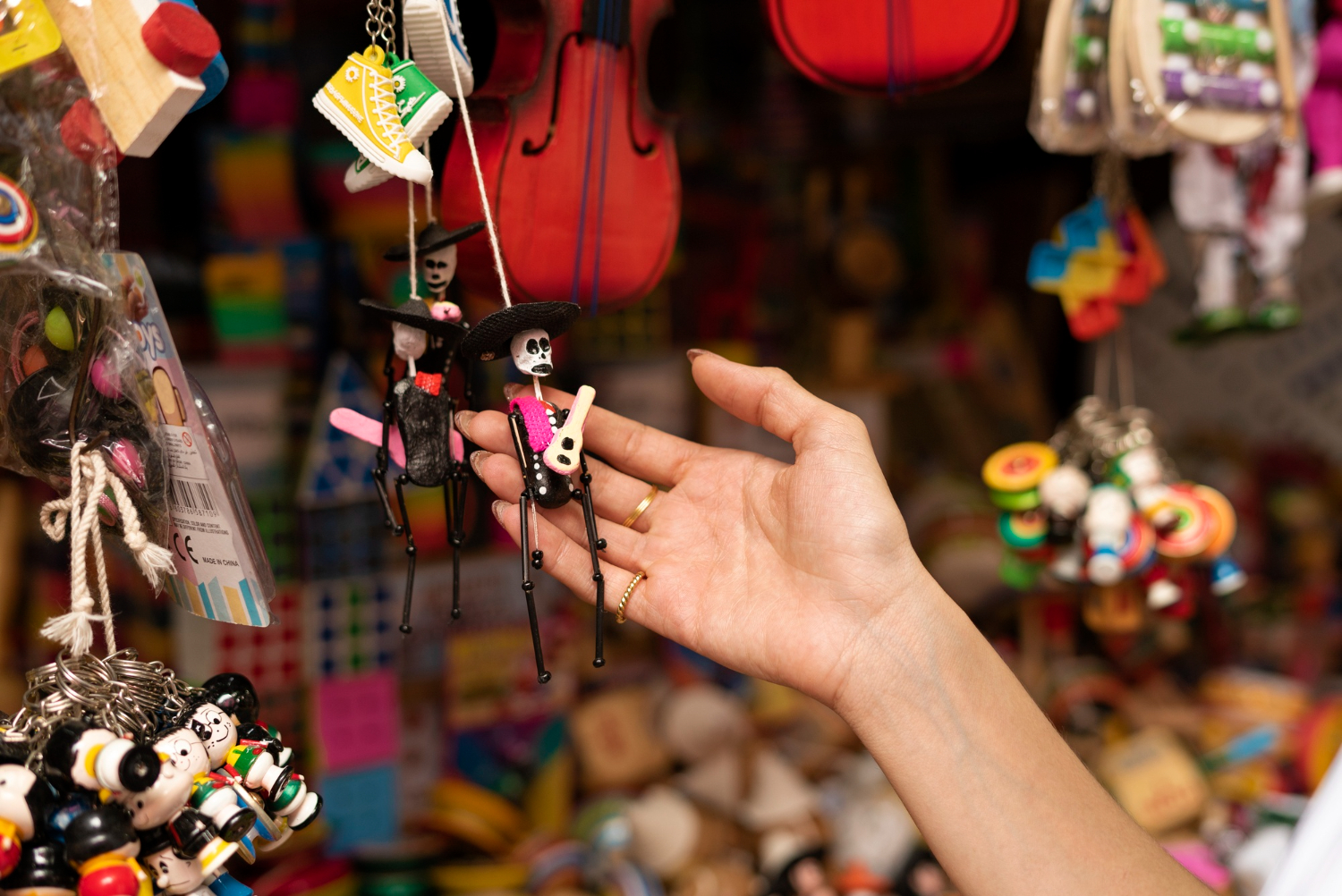
  1. Souvenir shops: Chinatown’s souvenir shops offer a wide range of traditional Chinese handicrafts, trinkets, and gifts, including calligraphy scrolls, tea sets, zodiac figurines, silk scarves, chopsticks, and decorative fans. These shops are great for finding unique gifts and souvenirs to take home.
  2. Wet markets: Chinatown has several wet markets, including the Chinatown Complex Market and the People’s Park Complex Food Centre, which sell fresh produce, seafood, meat, and other food items. These markets are great places to experience the local food culture and find fresh ingredients.
  3. Fashion boutiques: In addition to traditional shops, Chinatown also has several fashion boutiques that sell trendy clothes, accessories, and jewelry. These boutiques are great places to find unique and fashionable items at reasonable prices.

Insider Tip: Bargaining is common at the street markets, so don’t be afraid to negotiate for a better price.

Chinatown After Dark: Nightlife Hotspots

Chinatown comes alive at night, with a variety of bars, clubs, and live music venues that cater to a diverse crowd. Some must-visit nightlife spots in Chinatown include

  1. Lucha Loco: This vibrant and colorful bar is known for its Mexican-inspired cocktails and lively atmosphere. It’s a popular spot for locals and tourists alike, with a large outdoor seating area and regular DJ sets.
  2. 28 Hong Kong Street: This award-winning bar is known for its craft cocktails and innovative drinks menu. It has a stylish and sophisticated atmosphere, focusing on quality ingredients and attentive service.

Festive Fun: Events and Festivals in Chinatown

Some of the most exciting events and festivals happening in Chinatown are:

  1. Chinese New Year: A grand celebration of family, food, and performances in Chinatown, featuring lion and dragon dances, acrobatics, and street bazaars.
  2. Mid-Autumn Festival: Witness colorful lantern displays, street performances, and sample mooncakes in Chinatown during this festive time.
  3. Singapore Heritage Festival: An annual event celebrating the cultural heritage of Chinatown and Singapore, featuring guided tours, performances, food tastings, and exhibitions.

Chinatown Singapore offers a glimpse into the city’s rich cultural heritage, vibrant nightlife, and unique shopping scene with its colorful shophouses, bustling markets, and delicious food. Don’t miss out on this diverse neighborhood – plan your trip today!

The aromatic world of bakeries enchants everyone who enters them. Children and adults alike love biting into a freshly baked bun or cake whenever they can. Singapore too, is home to several such bakeries where your tastebuds will be in for a treat. Join us on this journey of baked doughy goodness to discover an array of unknown bakeries to popular homegrown brands in Singapore. 

Traditional Breads and Pastries of Singapore

Singapore boasts a rich and diverse array of breads and other baked foods owing to its vibrant cultural heritage. Let us look at some such examples:

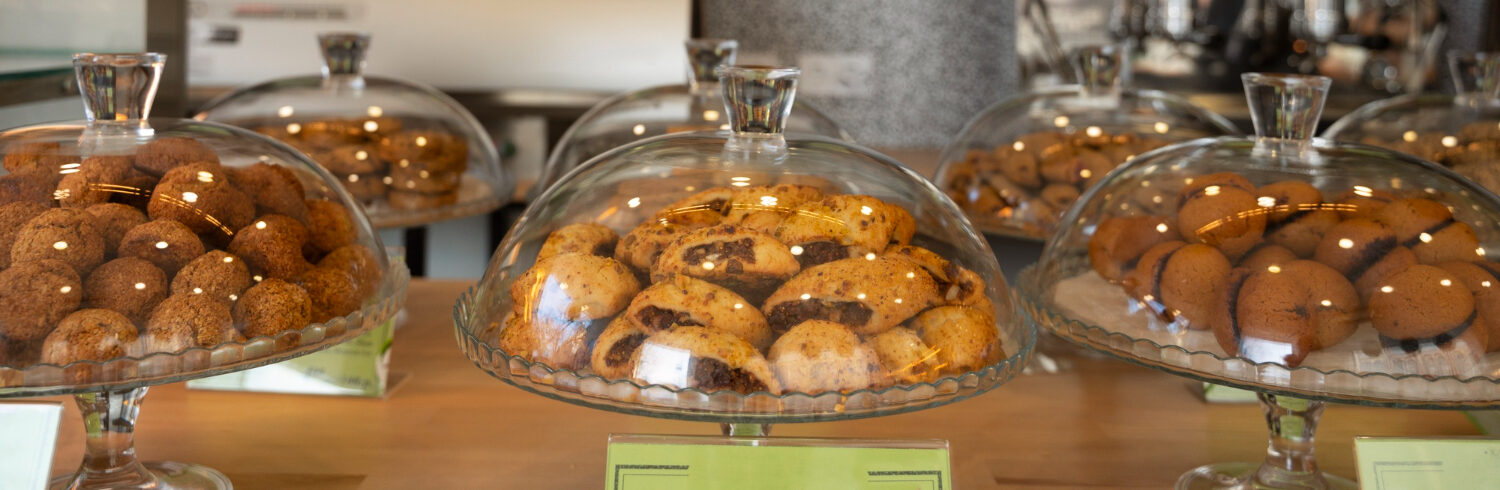
  • Kaya Toast consists of crispy bread slices slathered with kaya (a coconut and egg jam), and butter.
  • Roti Prata is a traditional Indian flaky flatbread enjoyed with sweet or savory accompaniments
  • Tau Sar Piah is a pastry filled with mung bean paste originating from China.

Now, it is time to find out where you can buy all the above delicious foods and more, in the next segment.

Iconic Bakeries with Rich Histories

  • Balmoral Bakery

Founded in 1965, this local bakery exudes an old-school charm and has preserved the essence of traditional baking.

Known for its wide range of sweet and savory tarts, pastries, and cakes, there is a favorite food item here for every visitor.

Pro Tip: Do not forget to try the Custard Puffs and Egg Tarts!

Click here to know more.

  • Dona Manis Cake Shop

A fan favorite among the locals since 1979, Dona Manis Cake Shop is renowned for its handcrafted butter cakes that offer a perfect balance of moistness and flavor.

Located in the heart of Katong, this shop has been growing in popularity among visitors over the years.

Pro Tip: Their Ondeh Ondeh and Kueh Lapis are a must-try!

Click here to know more.

  • Tong Heng

Serving generations of Singaporeans since 1935, Tong Heng is a venerable pastry institution, more than being just a bakery. Renowned for its iconic diamond-shaped egg tarts with flaky crusts and silky custard, Tong Heng brings you the best of Chinese culinary heritage.

Click here to know more.

  • Love Confectionary

From artisanal chocolates to bespoke cakes, Love Confectionery has found its way to the locals’ hearts, one bite at a time. Best known for its buttercream cakes, and cake assortments, this shop has to be on the top of your list if you have a sweet tooth.

Pro Tip: We recommend the Ang Ku Kueh as well as the peanut and rainbow sprinkles cake

Click here to know more.

  • Serangoon Garden Bakery & Confectionery

Renowned for its affordable and delectable selection of breads and cakes, this shop is a favorite among locals. As all the breads and cakes are made from scratch on-site, they start working as early as 2 AM and open their doors to customers at 6 AM.

Their hamburger, Curry buns, and butter cake are the most recommended.

Pro Tip: As they open as early as 6 AM if you are flying into Singapore on a red-eye flight, the first thing you can do is visit this bakery and get your hands on the luncheon meat bun.

Click here to know more.

  • Bengawan Solo

The last entry on our list is certainly not the least, as Bengawan Solo is popular among tourists unlike any of the bakeries we have mentioned above. 

Founded in 1979, they specialize in kueh, layer cakes, and ondeh ondeh.

Available at more than 45 locations across the city-state it is hard to miss it whenever you are in Singapore.

Pro Tip: Try their pandan chiffon cake! It’s light,fluffy and fragrant. Also, a hot favourite as the perfect souvenir for your loved ones with a sweet tooth.


Click here to know more.

Singapore has a lot to offer in terms of bakery options. Anywhere you go on this island state, you will not be far from a bakery that will serve you the perfect balance between traditional snacks and innovative baked delicacies.

Using the pointers in this article you can now confidently explore the bakery and confectionery landscape of the city.

Wet markets in Singapore aren’t just about purchasing fresh produce; they are vibrant, bustling, and an essential part of the local culture. Navigating through these markets, you can experience the authentic sights, sounds, and flavours that capture the essence of local life. Here’s a guide to some of the most popular wet markets in Singapore that promise an authentic and enriching experience for travellers.

Visiting Wet Markets in Singapore

1. Tekka Market

Tekka Market in Singapore is a multi-storey building that features a wet market, a hawker centre, and various small shops offering a wide range of products, including fresh fruits and vegetables, flowers, spices, nuts, meat, and seafood. The market is known for its vibrant and colourful environment, offering a culturally rich experience with a variety of ethnic foods and unique items. It is one of the largest wet markets in Singapore, housing 284 stalls and offering a diverse selection of produce and dry goods. You can also find an array of spices and traditional Indian ingredients here. 

Tekka Market is a great place to observe the unique way of life and culinary cultures of Singapore’s ethnic communities, making it a valuable destination for those looking to learn more about life in Singapore.

Click here to know more.

Nearest MRT: Little India.

➕Insider Tip:  

  • Buy spices at a steal and bring them home as souvenirs or to try out new Asian dishes! 
  • Ensure to carry cash, as credit cards are not accepted in most wet markets.
  • Remember to bring a shopping trolley or a sizable eco-friendly grocery bag, and opt for closed and comfortable shoes for an optimal shopping experience.

2. Tiong Bahru Market

Tiong Bahru Wet Market stands out among Singapore’s freshest produce hubs, streamlining shopping convenience with some stalls packaging produce supermarket-style. Drawing an international crowd, especially expats, it boasts an impressive array of Western fresh produce, offering Australian and New Zealand beef at half the price. Not just for groceries, this market flourishes as a floral haven, offering fresh-cut orchids and plants at reasonable prices. The market’s offerings span vegetables, tropical fruits, meats, poultry, cheeses, fish, shellfish, eggs, tofu, dry goods, and spices. 

Click here to know more.

Nearest MRT: Tiong Bahru.

➕Insider Tip: Above this wet market in Singapore is the famous Tiong Bahru Food Centre, one of the best hawker centres in Singapore. This famous food court is home to a lot of delicious and wallet-friendly local foods, such as roasted sliced duck, lor mee, fried kway teow, chwee kueh, wonton soup, and pig’s organ soup.

3. Geylang Serai Wet Market

Geylang Serai Wet Market is known for its Malay, Indonesian, and Halal products, including a wide range of fresh meats, vegetables, fruits, poultry, live seafood, tofu, noodles, spices, dried goods, and eggs. Geylang Serai is a focal point for the local Malay community in Singapore, and the market reflects the area’s rich cultural heritage. Experience the lively ambience while witnessing the preparation of traditional kueh (cakes) and the intricate art of weaving ketupat (rice cakes).

Click here to know more.

Nearest MRT: Paya Lebar.

➕Insider Tip: Visit during the Ramadan period to experience the festive atmosphere and enjoy special holiday treats.

4. Jurong Fishery Port

Jurong Fishery Port is the place to go for the freshest seafood in Singapore. It’s a wholesale fish market where you can observe the bustling auction and purchase fresh seafood at great prices. The best time to visit this wet market in Singapore is early in the morning to get hold of some of the freshest fish and seafood, like prawns and crabs, but it’s important to note that prices may not be cheap unless buying in bulk. The port offers a wide variety of seafood, including red groupers, pomfrets, threadfin, prawns, crabs, stingrays, and more.

Click here to know more.

Address: Fishery Port Rd, Singapore 619742

Nearest MRT: Joo Koon

➕Insider Tip: Arrive early (around 2-4 am) to catch the auction action and get the best deals on seafood. Also, wear non-slippery footwear due to the wet floors.

5. Toa Payoh Central Market

Toa Payoh Central Market is a traditional wet market in Singapore that offers a wide range of fresh produce, meats, and dry goods. It’s a great place to shop for local ingredients and experience the authentic market atmosphere. 

Click here to know more.

Nearest MRT: Toa Payoh.

➕Insider Tip: Dress comfy, as there might be crowds and the markets do not have air-conditioning.

Wrapping Up

Visiting wet markets in Singapore is a fantastic way to immerse yourself in the local food culture and discover a wide array of fresh produce, seafood, and traditional ingredients. Whether you’re a food enthusiast or a traveller looking for an authentic experience, these markets are definitely worth a visit.

Welcome to the world where the scent of new books and the feel of pages between your fingers bring unspoken joy. In today’s digital age, the allure of a paperback remains unmatched. Singapore’s bookstores, brimming with vintage classics, local gems, and international bestsellers, are a sanctuary for book lovers. Their shelves, adorned with tales both familiar and undiscovered, cater to every reader’s craving. Whether you seek the works of local wordsmiths or niche publications, these havens promise an escape into worlds waiting to be explored between the covers of your next treasured read. Because, as they say, “You can’t buy happiness, but you can buy books.”

Discover the Popular Bookstores in Singapore

Books Beyond Borders

Books Beyond Borders welcomes readers with its cozy charm. It is where you can get second-hand books in Singapore for both adults and children. More than a bookstore, it’s a social enterprise led by Randall Chong. The store fervently champions educational empowerment in Nepal through scholarships, enabling girls to pursue secondary education and realize their dreams. This endeavor extends to funding classroom projects, particularly advocating for girls’ education. Collaborating with local partners like Teach For Nepal, it initiates remote learning programs in rural areas. 

Click here to know more.

Or, you can visit The Book Barracks by Books Beyond Borders at 41 Jln Pemimpin, #03-01E Kong Beng Industrial Building, Singapore 577186

Nearest MRT: Orchard

➕Insider Tip: Don’t forget to bring a recycled bag to tote your newfound literary treasures from these popular bookstores in Singapore!

1. Woods in Books

Discover the wonderland at Woods in Books! This popular bookstore in Singapore in Tiong Bahru specializes in captivating picture books for any age. From cherished classics like The Hungry Caterpillar to beloved characters like Tintin, it’s a nostalgia-filled journey to the days of innocence. Feast your eyes on a treasure trove of pictorial wonders, including works by renowned cartoonist Jean-Jacques Sempé, quirky graphic novels, the beloved 1980s Malaysian series Lat, and cherished classics like Goodnight Moon and Where the Wild Things Are.

Click here to know more.

Nearest MRT: Tiong Bahru

➕Insider Tip: Also explore Wood in Books’ sister store – Books Ahoy! in Forum the Shopping Mall, a hidden gem for young readers. There are children’s classics, graphic novels, and rare local titles, all presented as a mini-museum of children’s literature, adorned on shelves and walls like cherished artworks.

2. Epigram Coffee Bookstore

Epigram Coffee Bookshop at the Singapore Art Museum is a unique blend of local reads and aromatic coffees from Balestier Market Collective. Nestled among contemporary art exhibitions, this popular bookstore in Singapore invites you to relish books by beloved Singaporean and Southeast Asian writers while indulging in a steaming cuppa. Take a literary journey amidst art galleries, making it a delightful rendezvous for book lovers and art enthusiasts alike.

Click here to know more.

Nearest MRT: Tanjong Pagar

➕Insider Tip: There’s Epigram Treehouse, a community of your little ones, where they will get to engage in numerous exciting activities that involve favourite children’s book characters and videos. 

3. Basheer Graphic Books

Situated in the Bras Basah Complex, Basheer Graphic Books caters to design professionals and enthusiasts. This popular bookstore in Singapore is known for its extensive range of publications for architecture, interior design, landscape design, graphic design, animation, product design, fashion design, arts and crafts, typography, and photography.

Click here to know more.

Nearest MRT: City Hall

➕Insider Tip: Can’t spot your desired title? Simply leave your details for a personalised notification upon its arrival.

4. Zall Bookstore

Zall Bookstore is a sanctuary for admirers of Chinese heritage, literature, and artistry. Situated in the former Borders flagship location at Wheelock Place, this haven showcases a treasure trove of over 30,000 Chinese literary marvels. Explore books on Chinese culture, history, and philosophy across two floors. Complementing this popular bookstore in Singapore, a charming café and an engaging art gallery await your exploration.

Click here to know more.

Nearest MRT: Orchard

➕Insider Tip: If you are looking for bookstores that specialise in classic, home-grown Singaporean literature alongside other rare and obscure editions, visit Books Actually Tiong Bahru. 

5. Wardah Books

Wardah Books, established in 2002, is a haven for English-language books focusing on Islam, found in Kampong Gelam, Singapore. Boasting a diverse inventory of over 4000 titles, it covers Arts, Philosophy, Quranic studies, regional history, fiction, and children’s books. A reading culture within the community through engaging book clubs, reading sessions, and author interactions makes it a popular bookstore in Singapore. Wardah Books’ expertise lies in Sufism, Islamic history, and philosophy, complemented by a rich selection of children’s books. 

For more insights, explore their offerings at their official website.

Nearest MRT: Bugis

➕Insider Tip: Explore second-hand bookstores like GOHD Books, which offer a collection of eclectic and rare titles, including leather-bound biographies, fairy tale tomes, and translated classics.

6. Hook on Books

Nestled along Neil Road stands Hook on Books, a vibrant Chinese-language bookstore bursting with colour and whimsy. Festooned with dried flowers and handcrafted décor, it’s a haven for kids filled with toys, books, and stationery. Adults can unwind in the cosy café or a small reading nook while children explore. Engage in walk-in workshops where little ones craft their cards, notebooks, or dried flower arrangements, fostering creativity with an array of materials.

Click here to know more.

Nearest MRT: Outram Park

➕Insider Tip: Want to explore a Japanese bookstore? Visit Kinokuniya. They have an extensive collection of graphic novels, magazines, guides, and fiction and non-fiction titles.

7. Littered with Books

Discover a literary gem tucked within the vibrant Chinatown- Littered with Books. Housed in a charming two-storey shophouse, this indie, popular bookstore in Singapore promises an enjoyable browsing experience. With an eclectic collection spanning various genres like literary works, non-fiction, travel narratives, and captivating children’s books, it caters to diverse reading tastes. Moreover, despite its remarkable assortment, the books are affordable, making it an inviting space for book lovers seeking quality reads at pocket-friendly prices.

Click here to know more.

Nearest MRT: Tanjong Pagar

➕Insider Tip: This independent book in Singapore is also known for one more thingBibliosmia—the smell of books. Visit and check for yourself! 

Wrapping Up

In a city adorned with the marvels of modernity, these popular bookstores in Singapore offer a delightful retreat into the world of literature, art, and cultural exploration. Each store presents a distinct charm, promising an enriching experience for visitors passionate about the written word.

Immersing oneself in the vibrant tapestry of Singapore is an adventure that extends far beyond the stunning skyline and delectable cuisine. The act of souvenir hunting in this cultural melting pot is a treasure trove of experiences. In this article, we embark on the enchanting journey through the city-state’s markets, boutiques, and iconic hubs where culture, tradition, and innovation converge, offering an array of mementos. 

From the bustling streets of Chinatown to the modern allure of Orchard Road, this article delves into the rich tapestry of Singaporean souvenirs, unveiling the perfect keepsakes of this unique destination to carry home.

  • Frequently bought souvenirs in Singapore

Let’s look at some of the most sought-after souvenirs tourists usually bring back with them to keep a piece of Singapore embedded in their memories for a long time.

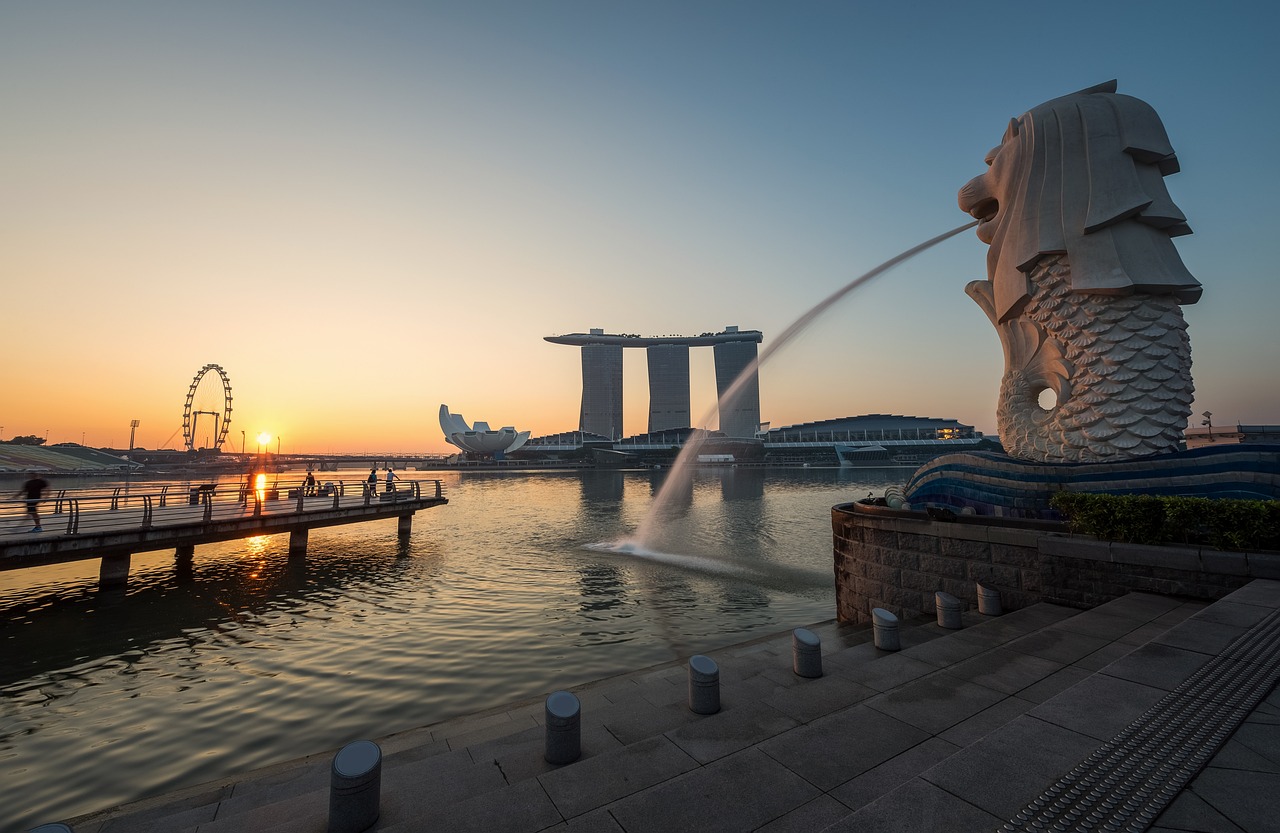
Merlion-themed items: The Merlion, a mythical creature with the head of a lion and the body of a fish, is an iconic symbol of Singapore. Keychains, figurines, and various merchandise featuring this emblem are popular among visitors.

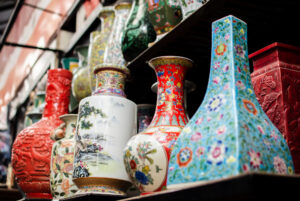
Peranakan-inspired goods: The Peranakan culture, a fusion of Chinese and Malay influences, is showcased in vibrant batik fabrics, intricately designed porcelain ware, and beaded slippers, offering a glimpse into Singapore’s heritage.

Orchid-infused products: Singapore’s national flower is the orchid, and it is featured in a wide range of products such as perfumes, soaps, and even preserved orchids, making for fragrant and elegant souvenirs.

Singaporean snacks: Treats like kaya (coconut jam), pineapple tarts, and bak kwa (barbecued meat) are beloved edible souvenirs, allowing visitors to savor the unique flavors of Singapore.

Traditional crafts: Handwoven baskets, intricate wood carvings, and beautifully crafted textiles are prized for their craftsmanship and reflection of Singapore’s traditional arts.

Souvenirs from cultural enclaves: Exploring areas like Chinatown, Little India, and Arab Street provides a wealth of options, including Chinese calligraphy sets, Indian textiles, and Middle Eastern-inspired crafts.

Modern innovations: Singapore is also known for its technological advancements and innovative creations. Futuristic gadgets, high-tech accessories, and contemporary design items make for unique and forward-looking souvenirs.

Pro Tip: In markets and smaller shops, bargaining is common. Practice polite negotiation but also be respectful of fair pricing.  Also, look for shops that promote local artists and artisans, supporting their craftsmanship and creativity.

  • Prominent Souvenir Markets and Shops

Singapore certainly offers a wide array of markets and gift shops, each offering a unique selection of items reflecting the country’s culture, heritage, and modernity. Here are some of the best gift shops in Singapore:

Chinatown Street Market: This vibrant area is filled with stalls offering traditional Chinese trinkets, souvenirs, and cultural items at reasonable prices.

Click here to know more.

Little India Arcade: Explore this arcade for a variety of Indian crafts, textiles, and unique souvenirs, from colorful fabrics to intricate accessories.

Click here to know more.

Peranakan Place: Discover a collection of Peranakan-inspired items, including beautiful textiles, intricate ceramics, and vibrant accessories celebrating this unique cultural heritage.

Click here to know more.

Singapore Memories: Offering a range of nostalgia-evoking gifts like perfumes, candles, and skincare products that capture the essence of Singapore through scents and ingredients.

Click here to know more.

Pro Tip: If you are looking for deals, visit markets towards the end of the day. Some vendors may offer discounts to clear their stock. Moreover, Souvenir shopping in Singapore is not just about the items, it is an experience. Take the time to enjoy the diverse offerings and learn about the stories behind the souvenirs.

  • Exploring the 5 Popular  local brands in Singapore

The key to getting the best souvenirs from any country, in our opinion, is to explore the best local brands to the extent possible. Here, with the aim of making your Souvenir hunting easy and enjoyable, we have compiled a list of the 5 best local brands currently available in Singapore.

1. TWG:  Short for “The Wellbeing Group,” TWG epitomizes Singapore’s tea culture. Renowned for its luxurious teas, it’s a paradise for connoisseurs. The brand’s elegant tea salons offer an opulent experience, showcasing over 800 tea blends, captivating aromas, and exquisite tea accessories, all representing sophistication and indulgence.

Click here to know more.

2. Bacha Coffee: A haven for coffee enthusiasts in Singapore, celebrates the art of fine coffee. With origins tracing back centuries, their meticulously sourced beans, refined brewing techniques, and elegant ambiance offer a journey through coffee’s history. It’s a sensory delight, combining tradition with modern craftsmanship. You can bring back that signature aroma with you to your home country, one coffee packet at a time!

Click here to know more.

3. Beyond the Vines: An epitome of fashion, redefining contemporary style. Known for minimalist yet bold designs, their curated collections merge versatility and sophistication. With a focus on clean lines, innovative textures, and modern aesthetics, the brand offers an elegant, forward-looking approach to fashion.

Click here to know more.

4. Charles & Keith: An emblem of Singapore’s global fashion influence, offers trendy footwear and accessories. Known for sleek designs, quality craftsmanship, and affordability, the brand transcends borders. Their diverse, chic collections cater to every style, embodying sophistication and accessibility for the modern, cosmopolitan individual. You don’t need us to tell you that everyone looks good wearing a trendy pair of footwear!

Click here to know more.

5. Supermama Store: It is the epicenter of contemporary porcelain artistry. Fusing tradition with modern design, it offers a diverse range of curated and culturally rich porcelain wares. Each piece tells a unique story, embodying heritage and innovation. The store beautifully encapsulates Singapore’s culture through its elegant creations.

Click here to know more.

Pro Tip: For traditional or cultural items, ensure they are authentic. Look for cues like craftsmanship, materials used, and certifications if applicable. At the same time, take the time to understand the cultural or historical significance of the souvenirs you’re considering purchasing.

Having read this far, you may have realized that buying souvenirs in Singapore is not merely a transaction, it is an exploration of heritage, innovation, and cultural fusion. Be sure to embrace the stories, the artistry, and the essence of this city through the treasures you bring home, as they are not just items but gateways to a journey experienced in the Lion City. Whether it is the elegant porcelain of Supermama or the chic footwear from Charles & Keith, these souvenirs embody a little piece of Singapore pride in them.

Welcome to Singapore, the vibrant island city-state that effortlessly integrates modernity and tradition. As you explore this dynamic destination, it’s essential to mind the cultural and social notions that make Singapore unique. Singapore is famously known as the “Fine City,” but don’t let that discourage you from visiting! This beautiful country prides itself on its cleanliness and orderliness, and has put in place strict laws and regulations to maintain this reputation. To ensure you have an enjoyable visit, we’ve put together a comprehensive guide to the Dos and Don’ts of Singapore. 

Tourist Discipline: Dos and Don’ts 

1. Don’t litter:

Singapore has strict laws against littering and imposes heavy fines. Always dispose of your rubbish in designated bins.

2. Don’t smoke or drink in public:

Singapore has strict laws regarding public behavior, including smoking and drinking. To avoid heavy fines or imprisonment, it is necessary to consume alcohol only in licensed establishments such as bars, clubs, and restaurants. Similarly, smoking in public places is prohibited in Singapore, and individuals should smoke only in designated areas. 

3. Don’t jaywalk:

Jaywalking is illegal in Singapore, and offenders can be fined heavily. Always use designated pedestrian crossings. 

4. Do refrain from public displays of affection

Avoid kissing, hugging, or any other intimate gestures in public places in Singapore, as it is considered inappropriate.

5. Do dress appropriately

Singapore is conservative, so it’s best to dress modestly in public places. Avoid wearing revealing clothing, and keep your shoulders and knees covered.

Insider tip: If you’re unsure what to wear, opt for light and comfortable clothing made of breathable materials like cotton and linen. And consider the weather while choosing one.

Singapore Culture: Dos and Don’ts

1. Do remove your shoes:

Removing your shoes when entering a Singaporean home or temple is customary. Look out for shoe racks, or ask your host if unsure.

2. Don’t touch someone’s head:

In Singapore, the head is considered sacred. So it’s impolite to touch someone’s head without permission.

3. Do show respect:

Be mindful of others and avoid offending anyone. Keep conversations at a moderate volume in public and address elders as “uncle” or “auntie” as a sign of courtesy.

4. Don’t point with your feet:

In Singapore, it’s considered rude to point with your feet. So, use your hands instead.

Insider Tip: Avoid discussing politics or religion, as they are sensitive and could be considered offensive.

Public Transport: Dos and Don’ts 

1. Do stand on the right side:

When using the MRT in Singapore, stand on the left side of the escalator and walk on the right to avoid congestion. Apply the same rule to staircases. 

2. Don’t eat or drink on public transport:

Eating and drinking are not allowed on buses and trains in Singapore, so finish your food or drink before boarding.

3. Do give up your seat:

It’s customary to give up your seat on public transportation to the elderly, pregnant women, or those with disabilities.

Insider Tip: Avoid public transport during peak periods in Singapore to avoid large crowds. Instead, travel during off-peak hours or use alternative transportation like taxis or ride-hailing services. Download Grab and Gojek now.

Owning Car: Dos and Don’ts

Singapore has a strict policy on car ownership due to limited land space and high population density. The government imposes a quota system on issuing car registrations, known as the Certificate of Entitlement (COE), which sets a cap on the number of cars that can be registered each year. This has resulted in high prices for COEs and cars in Singapore. Click here to learn more about COE.

1. Do have the necessary documents

Ensure you have all the necessary documents and permits before purchasing, including a COE and a valid driver’s license.

2. Do purchase car insurance

Choose an insurance plan that fits your needs and budget and provides adequate coverage in case of an accident or theft.

3. Do pay your road taxes and tolls

Avoid fines by regularly paying your road taxes and tolls.

4. Do follow traffic rules and regulations 

Familiarize yourself with the rules of the road and adhere to them to avoid fines or imprisonment. Click here to know more about the driving rules and information.

5.  Do follow road safety

Starting from avoiding speeding or parking illegally to avoid fines or penalties, following road safety, and utilizing its features. Click here to learn more about road safety in Singapore.

Insider Tip: Consider purchasing a used or smaller car to save on costs, and plan your routes and timing to avoid peak hour traffic and costly ERP charges.

Singapore Cuisine: Dining Dos and Don’ts

1. Do drink tap water:

Singapore’s tap water is safe, and the supply is clean and secure. Carry a refillable water bottle to save money and reduce plastic waste. 

2. Don’t chew gum:

Chewing gum is prohibited in Singapore to maintain cleanliness and protect public property. Using it or spitting it out in public may result in a fine. Use mints or mouthwash instead.

3. Do use chopsticks properly:

If you’re unfamiliar with chopsticks, practice using them before your trip to Singapore. Avoid sticking your chopsticks upright in your food, as this resembles the incense sticks used in funerals.

Insider Tip: To secure a seat at busy hawker centers during peak meal times, locals reserve seats with items like umbrellas, bags, water bottles, or even tissue packets. Avoid moving items or occupying these seats without permission. 

Shopping Etiquette: Dos and Dont’s

1. Do bargain at markets:

Bargaining is typical in local markets in Singapore. So don’t be afraid to negotiate the price with the vendors.

2. Do bring your own shopping bag:

To reduce plastic waste, many shops and supermarkets in Singapore charge for plastic bags. Bring your own reusable shopping bag to save money and the environment.

3. Do carry cash:

Some smaller stores and local hawker centers may only accept cash. So it’s a good idea to bring small change. To conveniently make transfers by scanning the QR codes with your smartphone, try local cardless payment services such as Paynow

Insider Tip: Save your shopping receipts to claim a tax refund at Changi Airport under the Tourist Refund Scheme.

Singapore Travel: Restricted Items

Bringing any of the items below may get you into trouble—so be sure to check before you go!

  1. Weapons or drugs.
  2. Endangered species and their parts
  3. Chewing gum and Cigarettes

Insider Tip: When traveling on a budget in Singapore, use the local public free WiFi, for a cost-effective option for internet access. 

Click here to learn more.

In conclusion, Singapore is a diverse country with a unique culture and customs. Adhering to the dos and don’ts will ensure a smooth and respectful trip. Keep an open mind and embrace new experiences to make unforgettable memories in Singapore.


Singapore, with its rich tapestry of cultures, stunning architecture, and vibrant history, is a city that beckons travellers from all corners of the world. But what if we told you that you could discover the heart of Singapore without burning a hole in your pocket? Yes, you heard it right! Some free guided walking tours in Singapore let you explore the city without spending a dime. If you want to explore Lion City without breaking the bank, you have come to the right place. 

Let’s explore the seven best free tours in Singapore, designed for travellers on a budget. So, put on your most comfortable walking shoes, grab a bottle of water, and dive in!

Top 7 Free Tours in Singapore: Uncover the Charm of the Lion City Without Spending a Dime!

1. Chinatown Walking Tour by Monster Day Tours

Our first stop on this journey is the iconic Chinatown Walking Tour offered by Monster Day Tours. This free guided tour in Singapore will transport you to the heart of Singapore’s Chinese culture. You’ll wander through winding streets adorned with vibrant decorations, visit the stunning Sri Mariamman Temple, and explore the bustling Chinatown Heritage Centre. The knowledgeable guides will regale you with tales of the area’s history and transformation into a thriving cultural enclave.

Chinatown is not just about history; it’s also a food lover’s paradise. Be sure to try delicious local delicacies at hawker stalls and traditional restaurants. Sip on a cup of fragrant Chinese tea or savour mouthwatering dim sum.

For more information, click here.

➕Insider Tip: Try the Michelin-starred Liao Fan Hong Kong Soya Sauce Chicken Rice & Noodle for an affordable culinary delight.

2. Kampong Gelam Walking Tour by Monster Day Tours

Kampong Gelam is a district with a rich Malay heritage, and this free tour in Singapore provides a glimpse into its history and culture. You will visit the Sultan Mosque, stroll through the streets adorned with vibrant murals, and explore the Malay Heritage Centre.

But the charm of Kampong Gelam doesn’t stop with history and culture. This neighbourhood is also a shopping haven, offering various unique finds, from traditional textiles and spices to arts and crafts. It’s an excellent place to pick up souvenirs to remember your Singapore adventure.

For more information, click here.

➕Insider Tip: After the tour, visit the nearby Haji Lane for a dose of unique street art, boutique shopping, and hip cafes. It’s a hidden gem.

3. Little India Walking Tour by Monster Day Tours

If you want to experience the vibrant Indian culture in Singapore, the Little India Walking Tour by Monster Day Tours is a must-visit. This tour takes you through the streets of Little India, where you can explore shops, savour aromatic spices, and admire the elaborate architecture. It is a treasure trove for shoppers. From vibrant textiles and jewellery to intricate trinkets and Indian spices, you can find authentic Indian products. 

Marvel at the impressive Sri Veeramakaliamman Temple and learn about the significance of Indian culture in Singapore’s history. The knowledgeable guides will share tales of the neighbourhood’s past and its evolution into the lively enclave it is today.

For more information, click here.

➕Insider Tip: Try the local street food while in Little India. The freshly made dosas and biryanis from the street vendors are a must-try!

4. Marina Bay Walking Tour by Monster Day Tours

Marina Bay is a glittering gem in Singapore’s urban landscape, and you can explore its highlights without spending a penny on the Marina Bay Walking Tour by Monster Day Tours. This free guided walking tour in Singapore offers a glimpse into the modern and futuristic side of the city, with its iconic landmarks such as the Marina Bay Sands and Gardens by the Bay. Be sure to take in the stunning views of the cityscape. Marina Bay is breathtaking at sunset, so time your visit accordingly to capture those picture-perfect moments. 

The tour provides a fantastic opportunity to appreciate the city’s skyline, take breathtaking views, and snap memorable photos. The knowledgeable guides will narrate the story of how Marina Bay transformed from a quiet harbour into a world-famous destination.

For more information, click here.

➕Insider Tip: The best time for this tour is in the evening when the city lights up, and you can enjoy the famous light show at Marina Bay Sands.

5. My Tiong Bahru Heritage Tour by My Community

Tiong Bahru is a neighbourhood that blends the old with the new, making it a treasure trove of culture and history. This free guided walking tour in Singapore is ideal for history buffs and architecture enthusiasts. The tour also provides insights into the area’s history, its role during World War II, and its transformation into the hipster hub it is today. Visitors are treated to an exclusive insight into Singapore’s first communal civilian air raid shelter in a residential estate.

One of the unique features of Tiong Bahru is its café culture. This neighbourhood is known for its charming cafes that serve up a variety of delectable treats. Take a break from your tour to enjoy a cup of artisanal coffee or try a delicious pastry. 

For more information, click here.

➕Insider Tip: For a real treat, visit one of the local bakeries in Tiong Bahru and indulge in a traditional Singaporean kaya toast paired with a cup of kopi (coffee). 

6. Welcome to My Pulau Ubin by My Community

Escape the hustle and bustle of the city with a free guided tour to Pulau Ubin, a nature lover’s dream. This free tour in Singapore, organised by My Community, lets you experience the island’s natural beauty and rustic charm. While on the tour, be prepared to explore the island’s unique ecosystems, from lush mangroves to serene beaches. It’s an ideal place for birdwatching, cycling, and hiking. Bring your binoculars and hiking shoes for an even more enriching experience. 

During the tour, you will visit the Chek Jawa Wetlands, a biodiversity hotspot. The knowledgeable guides will share stories about the island’s history and conservation efforts. 

For more information, click here.

➕Insider Tip: Bring insect repellent if you plan to explore the island’s lush forests. You might encounter some friendly, buzzing locals – the mosquitoes!

7. My Pek Kio Heritage Tour by My Community

Our last stop on this journey takes us to the My Pek Kio Heritage Tour. Pek Kio is a neighbourhood with a rich heritage, and this tour will introduce you to its unique charm. You will walk through quaint streets, visit historical landmarks, and learn about the area’s cultural significance. As Pek Kio is also known for its hawker culture, you will find a variety of delectable local dishes here. Whether you want to try traditional dishes like Hainanese chicken rice or modern interpretations of local cuisine, this is the place.

The tour also provides insights into the local food scene, with visits to traditional hawker stalls. 

For more information, click here.

➕Insider Tip: Save room for dessert! Try the traditional ice kacang, a local favourite, at one of the dessert stalls in the Pek Kio Food Centre.

Wrapping Up

These captivating free tours in Singapore offer an authentic and budget-friendly way to discover the city’s rich cultural tapestry, history, and natural beauty. So, grab your walking shoes, a bottle of water, and your camera, and get ready to embark on an exciting adventure through the diverse neighbourhoods of Singapore. These free guided walking tours in Singapore are informative, enriching, and perfect for travellers on a budget.

Singapore, a city known for its modernity and innovation, has a vibrant artistic side. For those seeking a hands-on creative experience, Singapore offers an array of craft workshops that promise to leave you with not just a beautiful creation but also a memorable experience. From candle-making to leather crafting, each workshop provides a unique opportunity to learn and craft alongside skilled artisans. 

Let’s dive into the world of craft workshops in Singapore and discover the joy of creating something beautiful with your own hands.

5 Craft Workshops in Singapore You Must Try

1. Candle-making workshops 

Candle-making is a craft that brings warmth and light into your life. In Singapore, you can experience the joy of crafting your own candles. At these workshops, you’ll learn the art of melting, moulding, and creating beautiful candles from scratch. It’s a relaxing and therapeutic experience that allows you to make personalised candles for yourself or your loved ones.

Candle-making workshops in Singapore are perfect for creating unique souvenirs or gifts, and they are suitable for all age groups.

Where

  1. Scent Supply Co
  2. Happy Together Pte Ltd

➕Insider Tip: Experiment with layering different scents to create a custom fragrance that evokes specific memories or emotions. This personalised touch will make your candle truly special.

2. Leather Crafting Workshop

Leather crafting is a skill that combines precision and creativity. In these workshops, you will design and craft your leather goods, such as wallets, belts, or keychains. The experience of working with leather is not only gratifying but also results in a personalised, long-lasting product.

Leather crafting workshops in Singapore are suitable for both beginners and experienced crafters, and you’ll be amazed at what you can create.

Where

  1. Crafune 
  2. Hides and Thread

➕Insider Tip: Consider adding a hidden compartment or a secret pocket to your leather creation. It’s a subtle yet intriguing detail that adds an extra element of functionality and uniqueness to your piece.

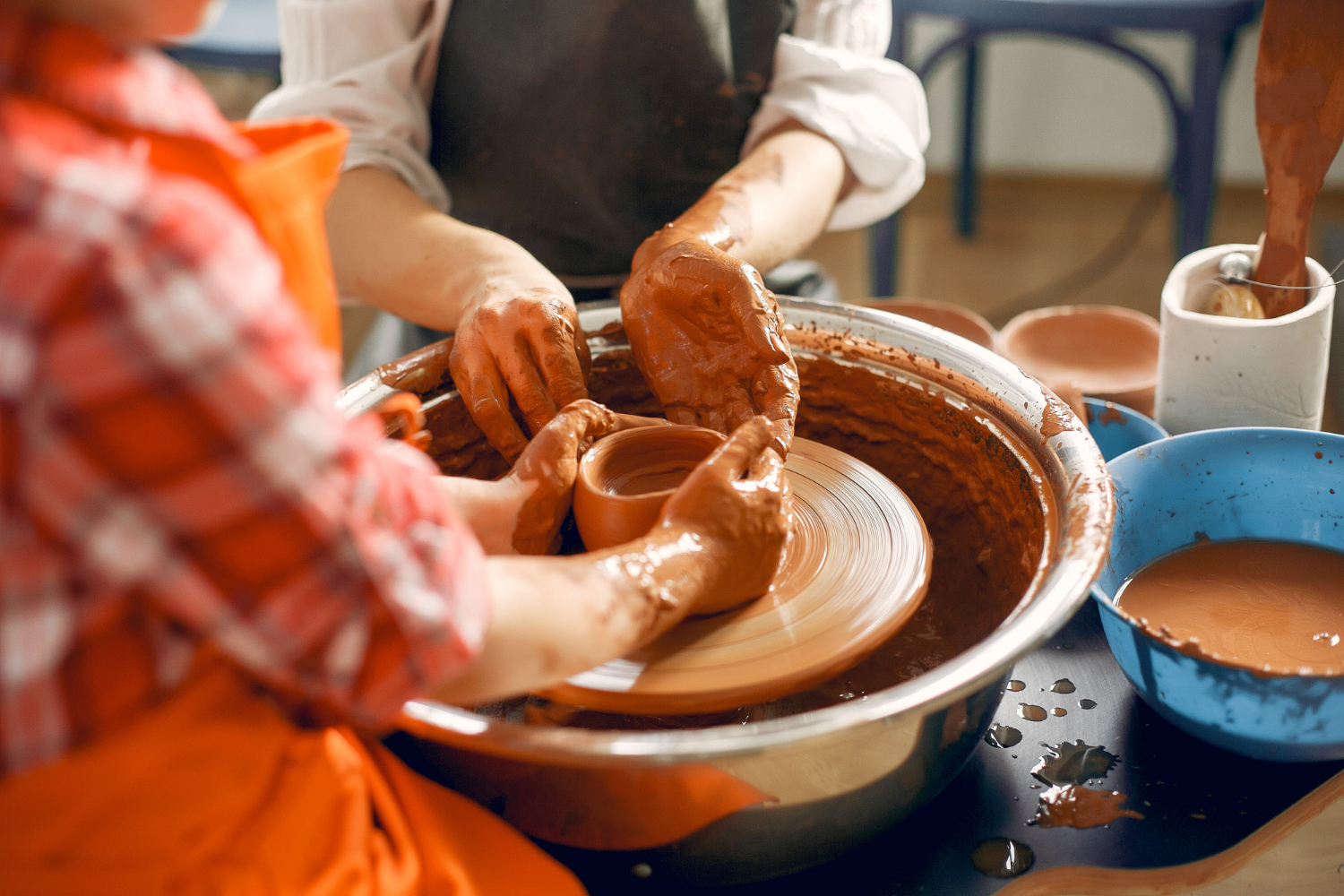
3. Pottery Workshops

Pottery has a timeless appeal, and in Singapore, you can get your hands dirty and create your own ceramic masterpieces. These workshops offer a therapeutic escape from the city’s hustle and bustle, allowing you to shape clay into functional or decorative items.

Pottery workshops in Singapore are not just about making art; they’re also about connecting with the earth and finding your inner calm.

Where

  1. Tiong Bahru Pottery
  2. COCOART Pottery Studio 
  3. Dirty Hands Only

➕Insider Tip: It is recommended to have short nails when doing pottery. If not, do ask for a pair of gloves or guidance from the teacher not to gouge the clay with nails.

4. Art Jamming Workshops

Art jamming is a fun and expressive way to create without rules or boundaries. In these workshops, you will be provided with art supplies and a canvas, and you can let your imagination run wild. It’s an ideal activity for both individuals and groups, making it a fantastic option for team building or family outings.

These craft workshops in Singapore are a great way to unwind and create something beautiful.

Where

  1. Motion Art Space
  2. Cafe de Paris
  3. Paintblush Pte Ltd

➕Insider Tip: Use unconventional tools like sponges, palette knives, or even your fingers to apply paint. You’ll be amazed at the different textures and effects you can achieve.

5. Rug Tufting Workshop 

This craft workshop in Singapore has gained immense popularity in recent times, and Singapore offers you the chance to craft your own unique plush rugs. These workshops teach you the art of tufting yarn into a canvas to create stunning and soft rugs that can adorn your home.

These workshops are a creative way to add a touch of warmth to your living space while mastering a trendy craft.

Where

  1. Tuft Club
  2. WeTuft
  3. Hello Rugs

➕Insider Tip: Prepare a few visual references for your tuft rug. Stretch well before tufting. The machinery has some weight to it, so your arms are in for a workout!

Singapore is a city that thrives on creativity, and its craft workshops are a testament to its vibrant artistic scene. Whether it’s candle making, leather crafting, pottery, art jamming, or rug tufting, there’s a workshop waiting for you. These experiences not only allow you to create something special but also offer a glimpse into the heart of Singapore’s culture and heritage. So, embark on your crafting journey and let your artistic spirit flourish in the Lion City.

Craft workshops in Singapore are a must-visit for locals and tourists alike. Don’t miss out on the chance to explore your creative side and take home a piece of Singaporean artistry.

Singapore, a vibrant city-state, is not just a concrete jungle of towering buildings and bustling offices. It’s a place where cultures, religions, and flavours harmoniously coexist. For five consecutive years, Singapore has held the top position as the most Muslim-friendly destination among non-OIC (Organisation of Islamic Cooperation) countries, as indicated by the Mastercard-CrescentRating Global Muslim Travel Index. If you are a Muslim traveller, there are various halal food restaurants in Singapore and places of worship. 

Let’s explore five Muslim-friendly places in Singapore, each with its own unique charm. 

1. Kampong Glam

Nestled between the Kallang River and prominent shopping complexes like Bugis Junction and Bugis+, Kampong Glam is a wonderfully preserved piece of Singapore’s cultural legacy. Surrounded by modern skyscrapers, the charming shophouses in Kampong Glam are exquisite remnants of the city-state’s bygone era.

Haji Lane, next to Kampong Glam, is a lively and diverse street that amplifies the Muslim-friendly vibe. Known for its distinctive shops, chic cafes, and vibrant street art, the presence of halal food restaurants in Singapore is a main draw.
Click here to know. 

Halal Food Restaurants in Singapore: Where to Eat?

a. Tipo Pasta Bar,
b. Hjh Maimunah,
c. The Ramen Stall, 787 North Bridge Rd, Singapore 198755

Where to pray?

A. Sultan Mosque

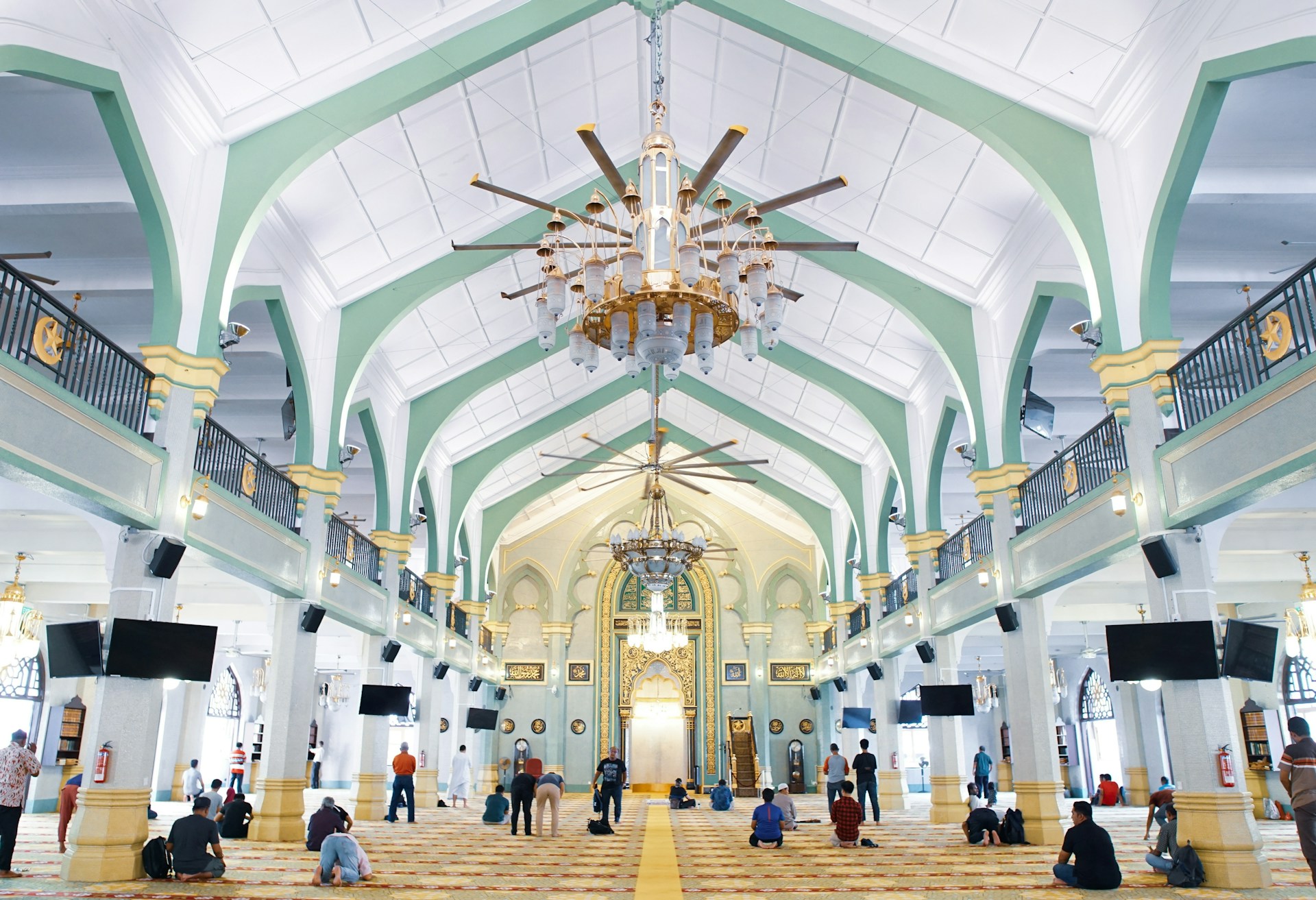
The Sultan Mosque stands as one of Singapore’s grandest mosques. Its architectural style seamlessly blends elements from both Indian and Islamic traditions, complemented by certain aspects reminiscent of European design. The striking golden domes, adorned with glass bottle ends, were a contribution from less affluent Muslims in 1824.
Click here to know more.

B. Hajjah Fatimah Mosque

Established with the generous support of Hajjah Fatimah,  the mosque stands above her former home, blending Eastern and European design elements. Notable features include Chinese glazed green tiles and a distinctive four-level minaret, which leans at about six degrees
Click here to know more.

Insider Tip: Visit Wardah Books today for an enriching experience in Malay and Muslim literary heritage.

2. Sentosa

Sentosa, often hailed as Singapore’s ultimate escape, is an island offering a diverse range of activities catering to every age group, ensuring round-the-clock entertainment. Situated mere minutes away from both VivoCity and Faber Peak Singapore, you have various transportation options at your disposal, be it the Cable Car rides, Sentosa Express departing from VivoCity, or a stroll along the picturesque Sentosa Boardwalk leading to the island.

Attractions include Universal Studios Singapore, Fort Siloso, KidZania Singapore, S.E.A. Aquarium, and Skyline Luge Sentosa, among others. 

Halal Food Restaurants in Singapore: Where to Eat?

a. Old Chang Kee,
b. Krispy Kreme,
c. Marrybrown, iFly Singapore

Where to pray?

Temenggong Daeng Ibrahim Mosque

A mosque, which has stood for more than a century, is located just a brief six-minute stroll from VivoCity. This historic mosque, with a rich 128-year history, was initially known as the ‘Kampong Telok Blangah Mosque.’

Click here to know.

Insider Tip: Within Universal Studios Singapore, you’ll find a designated prayer area close to Battlestar Galactica: HUMAN vs CYLON™, the globe’s tallest duelling roller coasters. Halal-certified eateries within the park: Mel’s Drive-In, Friar’s, Goldilocks, Oasis Spice Café, and Marty’s Casa Del Wild Food Court.

3. Marina Bay and Esplanade

A vista of towering buildings has its own tale to tell. Stroll along the picturesque waterfront and marvel at how the cityscape comes alive with lights.

Halal Food Restaurants in Singapore: Where to Eat?

a. Makan by the Bay,
b. Beanstro,
c. Noosh Noodle Bar & Grill

Where to pray?

For convenient prayer facilities, you can utilise the Musollahs located at Raffles City and Suntec City Tower 3.

Insider Tip: The Singapore Flyer, located near Marina Bay Sands Resort, offers facilities, including a prayer room situated on the first level of the West Promenade. 

4. Tiong Bahru

Tiong Bahru, one of Singapore’s earliest residential neighbourhoods, was once a resting place for the Cantonese and Hakka communities. Nowadays, it has transformed into a trendy and vibrant housing estate adorned with various captivating cafes and shops.

Halal Food Restaurants in Singapore: Where to Eat?

a. Stuff’d, Tiong Bahru Plaza,
b. Super Makan Asia, Tiong Bahru Plaza, Tiong Bahru Rd, #B1-136 Tiong Bahru Plaza, Singapore 168732
c. Tongue Tip Lanzhou Beef Noodles

Where to pray?

Jamiyah Ar-Rabitah Mosque

Founded in 1962, Jamiyah Ar-Rabitah mosque caters to the communities of Redhill, Tiong Bahru, and Alexandra, as well as the workforce in adjacent industrial areas. In 1985, the mosque underwent demolition and reconstruction to accommodate up to 2,000 worshippers.

Click here to know more.

Insider Tip: While exploring Tiong Bahru, visit the Tiong Bahru Market and Food Centre, where you can sample various local dishes and street food.

5. Little India

Located beside the Rochor River, this cultural area was formerly known for its racehorse tracks and lime pits, primarily inhabited by Indian labourers involved in the cattle trading industry. Nowadays, it stands as one of Singapore’s liveliest neighbourhoods, seamlessly blending the past with the present.

Click here to know more.

Halal Food Restaurants in Singapore: Where to Eat?

a. Azmi Restaurant (Norris Rd CHAPATI),
b. The Malayan Council,
c. Sakunthala’s Restaurant

Where to pray?

a. Abdul Gafoor Mosque

Constructed over a century ago, the Abdul Gafoor Mosque boasts intricate Arabic designs on its walls and graceful calligraphy on its panels. Noteworthy is the grand emerald dome, encircled by a series of petite minarets, adding to its architectural splendour. Beyond its religious significance, the mosque is a testament to remarkable craftsmanship.
Click here to know more.

b. Angullia Mosque

More than a century ago, Mohammad Salleh Eusoff Angullia, a Sunni Muslim merchant from India, constructed the Angullia Mosque to provide a dedicated prayer area for Muslim labourers in Little India and Farrer Park. Presently, the mosque welcomes worshippers from diverse ethnic backgrounds.
Click here to know more.

Insider Tip: The Tekka Market, a wet market, offers a variety of affordable fruits, vegetables, and Halal meat. There’s also a food court where patrons can savour Halal Indian specialities such as roti prata and rojak.

Wrapping Up

There are numerous Muslim-friendly experiences, from delectable halal food restaurants in Singapore to beautiful places of worship and unique cultural attractions. Whether you are exploring the modern skyline of Marina Bay or the historical streets of Kampong Glam, you will find that Singapore truly has something for everyone. So, pack your bags and get ready for an unforgettable journey to these remarkable Muslim-friendly places in Singapore.

Scroll to Top