
Crafting Your Perfect Singapore Itinerary

Crafting Your Perfect Singapore Itinerary

Now that you have finalized your decision to visit the city-state of Singapore, it is time to design and develop a travel plan for your stay in the garden city. Though individual itineraries depend on the preferences and budget of the travelers, here we have curated a few sample itineraries for a varying number of days as an essential guide for you.

  • A primary 3Nights/4 Days Itinerary for Visitors:

Based on our research, the duration of 3N/4D is the most common for visitors coming to Singapore from all over the world. So, here is a step-by-step itinerary for this duration.

Day 1:

Arrive at Changi Airport and check in at your hotel.

Start your day with a visit to Gardens by the Bay, a beautiful nature park with unique structures like the Supertrees.

Head to the nearby Marina Bay Sands, one of the most iconic buildings in Singapore, and enjoy a panoramic view of the city from the Observation Deck.

Watch the Spectra light and water show at Marina Bay Sands in the evening.

Day 2:

Start your day at Sentosa Island and undertake activities like visiting Universal Studios, the S.E.A. Aquarium, and Siloso Beach. 

(It is worth noting that to explore Sentosa Island fully, we advise you to allot two days to it if visiting Singapore for more than four days. This way, the 1st day can be fully utilized to explore Universal studios with the rest of the attractions on the Island covered on the 2nd day.)

In the evening, head to Clarke Quay, a riverside development with many bars and restaurants.

Day 3:

Start your day with a visit to the Merlion Park, a famous landmark in Singapore.

Visit Chinatown, one of Singapore’s cultural enclaves, to explore the vibrant streets, traditional shops, and delicious food.

Singapore Night Safari in the evening, which is a unique and unforgettable wildlife experience.

Day 4:

Visit the Singapore Zoo, a world-class wildlife park with many exhibits and interactive shows.

Explore Little India, one of Singapore’s cultural enclaves, to experience the colorful and vibrant Indian culture and cuisine.

Visit the Jewel at Changi airport, a retail shopping complex, before departure from Singapore.

Having established the basic itinerary for the duration most preferred by the visitors, let us now look at various attractions and experiences you can explore on each additional day as per your travel plan, if you are planning for a longer stay.
Additional Day 1:

Start your day with a visit to the National Museum of Singapore, the oldest museum in Singapore and the largest museum in the country’s history.

Head to Orchard Road, Singapore’s premier shopping street with many malls and luxury shops.

Visit Clarke Quay for a river cruise in the evening and enjoy the beautiful city skyline at night.

Additional Day 2:

Start your day with a visit to the Singapore Flyer, a giant Ferris wheel that offers a panoramic view of the city.

Visit the Kampong Glam, one of Singapore’s cultural enclaves, to experience the Malay culture and cuisine.

In the evening, visit the Marina Bay Sands for its nightlife options, including bars, restaurants, and the casino.

Additional Day 3:

Visit the Singapore Science Centre, a hands-on science museum with various exhibits and activities.

Head to the Esplanade – Theatres on the Bay in the evening to experience several concerts and shows.

If your plan extends beyond seven days, you can choose to explore some of the options from the following list: 

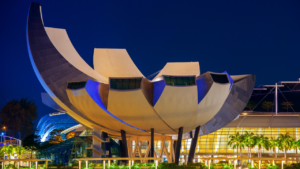
  • ArtScience Museum: A museum that explores the intersection of art, science, and technology with immersive educational and entertaining exhibitions.
  • National Gallery Singapore: A museum that houses the most extensive public collection of modern art with exhibits that showcase the region’s cultural diversity and artistic excellence.
  • Fort Canning Park: Fort Canning Park is a historic park that offers visitors a glimpse into Singapore’s past. It features several historical landmarks, such as the Battle Box and the Fort Gate, as well as lush green spaces and walking trails.
  • East Coast Park: East Coast Park is a 15 km-long coastal park perfect for cycling, rollerblading, and picnicking. It also has various dining options, including seafood restaurants and hawker centers.
  • Mount Faber Park: Mount Faber Park is a hilltop park that offers stunning views of the city and the harbor. It features several walking trails and a cable car ride that takes visitors to Sentosa Island.
  • Pulau Ubin: This small island off the coast of Singapore is perfect for outdoor activities such as cycling, hiking, and kayaking. It is also home to a traditional village that offers a glimpse into Singapore’s past.
Pro Tips for your Singapore Visit:

  • Flight Booking: To maximize the available time and get the best out of your experience, plan your flights to arrive early in the morning and depart late in the evening.

  • Carry an umbrella or raincoat: Singapore’s weather is generally hot and humid but can rain unexpectedly, especially during the monsoon season from November to January. So, carrying an umbrella or a raincoat can be helpful.

  • Use public transport: Singapore has an excellent public transportation system, including the MRT (Mass Rapid Transit) trains and buses, which are clean, efficient, and affordable. Using public transport can save you money and time.

  • Download ride-hailing apps: If you are uncomfortable with public transport, you can download ride-hailing apps like Grab or Gojek, which are popular in Singapore. They offer convenient and affordable rides.

  • Dress appropriately: Singapore is a multi-cultural and multi-ethnic city-state with diverse customs and traditions. So, it’s important to dress appropriately, especially when visiting religious sites or cultural enclaves.

  • Respect local customs: Singaporeans are known for their strict adherence to rules and regulations. So, it is essential to respect local customs and laws. For example, smoking is prohibited in most public places, and littering is illegal and can result in fines.

  • Carry a refillable water bottle: Singapore’s tap water is safe to drink, and you can refill your water bottle at many water fountains and hydration stations. This can save you money and reduce plastic waste.

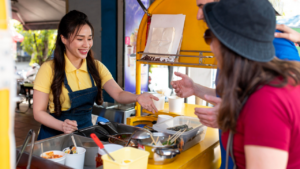
  • Try local food: Singapore is a food paradise with a diverse range of cuisines and flavors. Take advantage of the opportunity to try local dishes like Hainanese chicken rice, laksa, satay, and roti prata.

  • Visit during off-peak season: Singapore is a popular tourist destination that can get crowded during peak season. Try to visit during the off-peak season to avoid the crowds and enjoy the attractions at your own pace.

We are confident that you can use all the inputs shared in this article to mix and match as per your comfort to form your unique itinerary, which will allow you to get an unforgettable experience in the city-state of Singapore.


FAQS

Marina Bay Sands: This iconic hotel and casino complex boasts a rooftop infinity pool with stunning city skyline views. Gardens by the Bay: A vast park featuring towering Supertrees, a Flower Dome, and a Cloud Forest, among other attractions. Sentosa Island is a popular resort featuring beaches, amusement parks, and other attractions. Singapore Flyer: The world's second-tallest Ferris wheel, offering 360-degree views of the city. Merlion Park: Home to the iconic half-lion, half-fish statue that is a symbol of Singapore. Chinatown: A bustling neighborhood with colorful streets, historic temples, and plenty of street food. Little India: Another vibrant neighborhood with Indian temples, markets, and shops selling traditional clothes and jewelry. Clarke Quay: A historic riverside district with lively nightlife options, including bars, restaurants, and nightclubs. Universal Studios Singapore: A popular theme park featuring movie-themed rides and attractions. Singapore Zoo: A world-renowned zoo with various animals and interactive exhibits.
Universal Studios Singapore: This theme park features attractions based on popular movies, as well as shows and parades. Kids will love the rides and meeting their favorite characters. Singapore Zoo: A world-class zoo with various animal exhibits and interactive experiences, including the Rainforest Kidzworld water park. S.E.A. Aquarium: One of the world's largest aquariums, featuring a variety of marine life and interactive exhibits. Adventure Cove Waterpark: A water park with thrilling water slides, a lazy river, and snorkeling with tropical fish. KidZania Singapore: An indoor theme park where kids can role-play as adults, trying out different jobs and earning kidZos, the park's currency. Science Centre Singapore: An interactive museum with hands-on exhibits and educational programs that encourage children to learn about science and technology. Trick Eye Museum: An interactive art museum with 3D optical illusions and interactive exhibits that make for fun photo ops. Sentosa Island: A resort island with various attractions, including beaches, amusement parks, and adventure activities like ziplining and indoor skydiving. Gardens by the Bay: A park with towering Supertrees, a Flower Dome, and a Cloud Forest where kids can learn about plants and nature. The ArtScience Museum hosts several interactive exhibitions combining art and science, making learning fun for kids.
National Museum of Singapore: The oldest museum in Singapore, showcasing the country's history and culture through interactive exhibits, multimedia displays, and artifacts. ArtScience Museum: A museum that explores the intersection of art, science, and technology with immersive educational and entertaining exhibitions. Asian Civilisations Museum: A museum that showcases the diverse cultures and traditions of Asia, with exhibits on Southeast Asian art, Chinese ceramics, Islamic art, and more. National Gallery Singapore: A museum that houses the most extensive collection of modern art with exhibits that showcase the region's cultural diversity and artistic excellence. Peranakan Museum: A museum dedicated to the Peranakan culture, which is a unique blend of Chinese, Malay, and Indian influences that developed in Singapore and other parts of Southeast Asia. Lee Kong Chian Natural History Museum: A museum that houses over two million specimens of plants and animals, including rare and endangered species from Southeast Asia. Changi Chapel and Museum: A museum that tells the story of the prisoners of war and civilian internees held captive by the Japanese during World War II. Malay Heritage Centre: A museum that showcases the history and culture of the Malay community in Singapore, with exhibits on traditional Malay architecture, music, dance, and more. The Battlebox: A museum that takes visitors underground to explore the former British command center that played a crucial role in the defense of Singapore during World War II.
Gardens by the Bay: This award-winning garden is a popular attraction and features stunning green spaces, a Cloud Forest Dome, a Flower Dome, and the famous Supertrees that light up at night. Sentosa Island: This resort is a popular destination for outdoor activities, such as sunbathing, swimming, and water sports. It is also home to several attractions, including Universal Studios Singapore, Adventure Cove Waterpark, and the Skyline Luge Sentosa. Singapore Botanic Gardens: The Singapore Botanic Gardens is a UNESCO World Heritage Site and perfect for a leisurely stroll or a picnic. The gardens also have a variety of outdoor fitness facilities, such as jogging trails and workout stations. MacRitchie Reservoir: This is one of the best places to go hiking in Singapore, with trails that wind through lush rainforest and offer stunning reservoir views. East Coast Park: East Coast Park is a 15 km-long coastal park perfect for cycling, rollerblading, and picnicking. It also has various dining options, including seafood restaurants and hawker centers. Pulau Ubin: This small island off the coast of Singapore is perfect for outdoor activities such as cycling, hiking, and kayaking. It is also home to a traditional village that offers a glimpse into Singapore's past.
Given the Warm, humid, and often rainy weather of Singapore, it is wise to explore several indoor activities on any day that may not be favorable for exploring the various attractions in the city. Following are some such indoor activity options: Museums: Singapore has several world-class museums, including the National Museum of Singapore, the Asian Civilisations Museum, and the ArtScience Museum. These museums allow visitors to explore Singapore's history, art, and culture. Shopping: Singapore is a shopper's paradise, with several malls offering a variety of local and international brands. Some of the most popular malls in Singapore include Orchard Road, Marina Bay Sands, and VivoCity. Food: Singapore is also known for its diverse and delicious cuisine, and there are many indoor food markets and hawker centers where visitors can sample local dishes. Some popular food markets include Chinatown Food Street, Lau Pa Sat, and Maxwell Food Centre. Entertainment: Singapore has various entertainment options, including cinemas, theaters, and casinos. Visitors can catch a show at the Esplanade Theatre, watch a movie at one of the cinemas, or try their luck at the Marina Bay Sands Casino. Indoor theme parks: Singapore has several indoor theme parks, including Universal Studios Singapore, KidZania Singapore, and the Singapore Discovery Centre. These theme parks offer a variety of rides, activities, and exhibits for visitors of all ages. Escape rooms: Escape rooms have become a popular indoor activity in Singapore, with several themed rooms that require players to solve puzzles and clues to escape
Justifiably known as the “Garden City,” Singapore is famous for its multiple well-maintained parks and gardens, which provide comfort to visitors and locals whenever the weather gets hot and humid. Gardens by the Bay: This award-winning garden is one of the most popular attractions in Singapore and features stunning green spaces, a Cloud Forest Dome, a Flower Dome, and the famous Supertrees that light up at night. Singapore Botanic Gardens: The Singapore Botanic Gardens is a UNESCO World Heritage Site and one of Singapore's oldest and most well-known parks. It is a perfect place for a stroll or a picnic and features several themed gardens and a variety of outdoor fitness facilities. Fort Canning Park: Fort Canning Park is a historic park that offers visitors a glimpse into Singapore's past. It features several historical landmarks, such as the Battle Box and the Fort Gate, as well as lush green spaces and walking trails. East Coast Park: East Coast Park is a 15 km-long coastal park perfect for cycling, rollerblading, and picnicking. It also has various dining options, including seafood restaurants and hawker centers. Mount Faber Park: Mount Faber Park is a hilltop park that offers stunning views of the city and the harbor. It features several walking trails and a cable car ride that takes visitors to Sentosa Island. Labrador Nature Reserve: The Labrador Nature Reserve is a peaceful nature reserve that allows visitors to explore Singapore's flora and fauna. It features several walking trails and a boardwalk that leads to the sea.
In the social media era, finding good spots to take the perfect photos is crucial. Thankfully, Singapore offers multiple such locations for you, whether you are a professional photographer or an amateur one. Marina Bay Sands: The iconic Marina Bay Sands hotel is one of the most recognizable landmarks in Singapore and offers stunning views of the cityscape. The hotel's infinity pool is a popular spot for taking photos. Merlion Park: The Merlion is a mythical creature that is half-lion and half-fish and is a symbol of Singapore. Merlion Park is a popular spot for taking photos with the iconic statue and the stunning backdrop of Marina Bay Sands. Haji Lane: Haji Lane is a colorful and vibrant street in the Kampong Glam neighborhood, popular with photographers. It is known for its colorful street art, vintage shops, and quirky cafes. Chinatown: Singapore's Chinatown is a bustling neighborhood full of photo opportunities, from colorful shophouses to bustling markets and street food stalls. Clarke Quay: Clarke Quay is a historical riverside quay known for its colorful buildings and nightlife. It is a popular spot for taking photos with the river and the cityscape in the background. Little India: Little India is a vibrant and colorful area with photo opportunities, from colorful temples and street art to bustling markets and food stalls.
Walking Tours: One of the best ways to explore Singapore's neighborhoods is through walking tours. Many tour operators offer walking tours focusing on areas such as Chinatown, Little India, and Kampong Glam. These tours provide a glimpse into the history and culture of each neighborhood, as well as the chance to sample local cuisine and visit local landmarks. Food Tours: Singapore is known for its diverse and delicious cuisine, and food tours are a great way to explore the city's neighborhoods while sampling local dishes. Food tours typically focus on specific neighborhoods and provide the opportunity to learn about the history and culture of each neighborhood while sampling local delicacies. Bike Tours: Bike tours are a great way to explore Singapore's neighborhoods while getting some exercise. Several tour operators offer bike tours focusing on neighborhoods like the East Coast and the Southern Islands. These tours provide a unique perspective on each neighborhood and allow visitors to cover more ground than they would on foot. Public Transportation: Singapore's efficient public transportation system makes exploring the city’s neighborhoods easy. Visitors can take the MRT (Mass Rapid Transit) or buses to different neighborhoods and explore on their own. This is a cost-effective way to see the city, allowing visitors to take their time and explore at their own pace. Local Events: Singapore's neighborhoods often host local events and festivals that provide a glimpse into the local culture. Visitors can check the local events calendar and attend events such as the Chinatown Street Market, the Deepavali Festival in Little India, and the Hari Raya Puasa in Kampong Glam.
What are the best places to visit in Singapore for families with kids?

Lorem ipsum dolor sit amet, consectetur adipiscing elit. Ut elit tellus, luctus nec ullamcorper mattis, pulvinar dapibus leo.

National Museum of Singapore: The oldest museum in Singapore, showcasing the country’s history and culture through interactive exhibits, multimedia displays, and artifacts. ArtScience Museum: A museum that explores the intersection of art, science, and technology with immersive educational and entertaining exhibitions. Asian Civilisations Museum: A museum that showcases the diverse cultures and traditions of Asia, with exhibits on Southeast Asian art, Chinese ceramics, Islamic art, and more. National Gallery Singapore: A museum that houses the most extensive collection of modern art with exhibits that showcase the region’s cultural diversity and artistic excellence. Peranakan Museum: A museum dedicated to the Peranakan culture, which is a unique blend of Chinese, Malay, and Indian influences that developed in Singapore and other parts of Southeast Asia. Lee Kong Chian Natural History Museum: A museum that houses over two million specimens of plants and animals, including rare and endangered species from Southeast Asia. Changi Chapel and Museum: A museum that tells the story of the prisoners of war and civilian internees held captive by the Japanese during World War II. Malay Heritage Centre: A museum that showcases the history and culture of the Malay community in Singapore, with exhibits on traditional Malay architecture, music, dance, and more. The Battlebox: A museum that takes visitors underground to explore the former British command center that played a crucial role in the defense of Singapore during World War II.
Gardens by the Bay: This award-winning garden is a popular attraction and features stunning green spaces, a Cloud Forest Dome, a Flower Dome, and the famous Supertrees that light up at night. Sentosa Island: This resort is a popular destination for outdoor activities, such as sunbathing, swimming, and water sports. It is also home to several attractions, including Universal Studios Singapore, Adventure Cove Waterpark, and the Skyline Luge Sentosa. Singapore Botanic Gardens: The Singapore Botanic Gardens is a UNESCO World Heritage Site and perfect for a leisurely stroll or a picnic. The gardens also have a variety of outdoor fitness facilities, such as jogging trails and workout stations. MacRitchie Reservoir: This is one of the best places to go hiking in Singapore, with trails that wind through lush rainforest and offer stunning reservoir views. East Coast Park: East Coast Park is a 15 km-long coastal park perfect for cycling, rollerblading, and picnicking. It also has various dining options, including seafood restaurants and hawker centers. Pulau Ubin: This small island off the coast of Singapore is perfect for outdoor activities such as cycling, hiking, and kayaking. It is also home to a traditional village that offers a glimpse into Singapore’s past.
Universal Studios Singapore: This theme park features attractions based on popular movies, as well as shows and parades. Kids will love the rides and meeting their favorite characters. Singapore Zoo: A world-class zoo with various animal exhibits and interactive experiences, including the Rainforest Kidzworld water park. S.E.A. Aquarium: One of the world’s largest aquariums, featuring a variety of marine life and interactive exhibits. Adventure Cove Waterpark: A water park with thrilling water slides, a lazy river, and snorkeling with tropical fish. KidZania Singapore: An indoor theme park where kids can role-play as adults, trying out different jobs and earning kidZos, the park’s currency. Science Centre Singapore: An interactive museum with hands-on exhibits and educational programs that encourage children to learn about science and technology. Trick Eye Museum: An interactive art museum with 3D optical illusions and interactive exhibits that make for fun photo ops. Sentosa Island: A resort island with various attractions, including beaches, amusement parks, and adventure activities like ziplining and indoor skydiving. Gardens by the Bay: A park with towering Supertrees, a Flower Dome, and a Cloud Forest where kids can learn about plants and nature. The ArtScience Museum hosts several interactive exhibitions combining art and science, making learning fun for kids.

Share :

Comments

Scroll to Top