culture

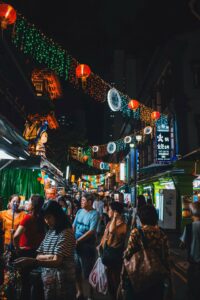
Welcome to Little India, a vibrant and colorful neighborhood that beckons you to experience the rich cultural tapestry of Singapore, where the sights, sounds, and smells will transport you to another world. From the vibrant flower garlands and aromatic spices to the intricate henna tattoos and elaborate silk saris, Little India is a feast for the senses. As you stroll through the bustling streets, you’ll be enveloped in the warmth and hospitality of the local community, who are always eager to share their customs, traditions, and stories with visitors. So come, let us guide you to the hidden gems of Little India. Let the adventure begin!

Getting to Little India: A Journey Worth Taking

To get to Little India, there are several transportation options available:

  1. MRT: The most convenient way to get to Little India is to take the MRT. The nearest station is the Little India MRT Station, which is on the Downtown Line (DT12) and the North East Line (NE7). From there, you can easily walk to the main entrance of Little India.
  2. Bus: Little India is well-served by several bus routes, with several bus stops located along Serangoon Road and Bukit Timah Road. You can check the bus routes and timings on the TransitLink website.
  3. Taxi: Visitors can also take a taxi to Little India, which is a convenient option for those traveling in a group or with luggage. If you prefer to take Grab to Chinatown, download the Grab app and book a ride to the main entrance of Chinatown on Pagoda Street.

Now, to get to the main entrance of Little India from the Little India MRT Station, you can follow these directions:

  • Take Exit E from the station, which leads to the Tekka Centre.
  • Once you exit the station, cross the road and turn left.
  • Walk straight for about 5 minutes until you reach Serangoon Road.
  • You will see the main entrance of Little India on your left-hand side.

➕Insider Tips: Get an EZ-Link Card for hassle-free transport. Use it for MRT, bus, and some taxi fares.

Stay in the Heart of Little India

Several accommodation options are available in Little India, ranging from budget-friendly hostels to more luxurious hotels. Here are some of the top options

  1. The Noble Hotel: This hotel is located right in the heart of Little India and offers comfortable rooms at an affordable price. It is within walking distance of many restaurants, shops, and attractions.

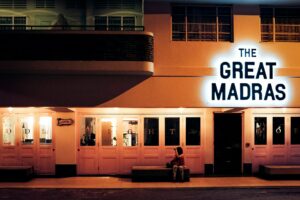
The Great Madras: This hotel is located in a colorful and historic building in Little India, offering stylish and comfortable rooms with modern amenities. It has a rooftop pool and bar with a restaurant and lounge.
➕Insider Tip: For longer stays, book a serviced apartment instead of a hotel. Enjoy amenities like a kitchen and laundry facilities, saving you dining and laundry expenses.

Must-See Sights in Little India

There are many amazing sights to see in Little India, Singapore.

  1. Sri Veeramakaliamman Temple: This colorful and ornate Hindu temple is dedicated to the goddess Kali and is a must-visit for anyone interested in the rich cultural heritage of Singapore.

Click here to know more

  1. Indian Heritage Centre: This museum showcases the history and culture of Singapore’s Indian community and is a great place to learn more about the local customs and traditions.

Click here to know more

  1. Sri Srinivasa Perumal Temple: This beautiful Hindu temple is dedicated to the god Vishnu and is another must-visit for anyone interested in the local culture and traditions.

Click here to know more

Savor the Spice: Little India’s Best Eats

Little India is a foodie paradise, offering numerous eating and drinking options, from traditional Indian food to fusion cuisine.

  1. Komala Vilas: This is a legendary vegetarian restaurant in Little India that has been serving up delicious South Indian food for over 70 years. Some of their must-try dishes include masala dosa, vada, and thali.

Click here to know more

  1. Tekka Market: For a more local experience, head to Tekka Market, a bustling hawker centre in Little India. Here, you’ll find a variety of stalls selling everything from Indian rojak to prata. Be sure to try the famous mee goreng from Al Mahboob Indian Muslim Food.

Click here to know more

  1. The Flying Monkey: For a more upscale dining experience, try The Flying Monkey, an Indian gastro bar that serves up creative cocktails and modern Indian cuisine. Some of their standout dishes include the butter chicken sliders and the lamb seekh kebab.

Click here to know more

➕Insider Tips: Sample the desserts. Little India is known for its sweet treats, including traditional Indian sweets like gulab jamun and laddu. Be sure to try the popular ice cream sandwich at the aptly named Ice Cream Chefs.

Shop ’til You Drop: Little India Markets
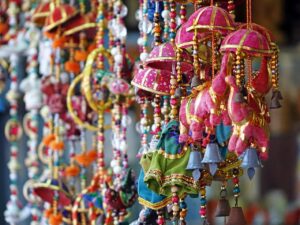


Little India is known for its vibrant markets and shops that sell a wide range of goods, including traditional textiles, jewelry, handicrafts, spices, and food.

  1. Mustafa Centre: A 24-hour shopping mall that sells everything from electronics and clothes to jewelry and groceries.

Click here to know more

  1. Serangoon Road: A busy shopping street that offers a mix of modern shops and traditional businesses, including goldsmiths and sari shops.

Click here to know more

➕Insider Tip: For an authentic Indian shopping experience, head to Little India Arcade and explore Campbell Lane’s textile and sari shops or Buffalo Road’s spice shops for a wide selection of herbs, spices, and teas.

Little India After Dark: Nightlife Hotspots

Little India offers a vibrant nightlife scene with plenty of options for visitors looking for a fun night out. For those looking for a more laid-back atmosphere, several rooftop bars offer great views of the neighborhood.

  1. If you’re in the mood for live music, head to the Blu Jaz Cafe, a popular spot for jazz and blues performances. The venue also serves food and drinks, making it a great place to spend an entire evening.
  2. For those looking to dance the night away, several clubs in Little India offer a lively atmosphere and a range of music genres. One popular spot is the Zouk Club, known for its cutting-edge electronic music and international DJs.

➕Insider Tips: Try some craft beers. Little India has a growing craft beer scene, with several bars offering a wide selection of local and international brews. Check out Little Island Brewing Co or Brewerkz for some unique options.

Celebrate Culture: Little India Festivals
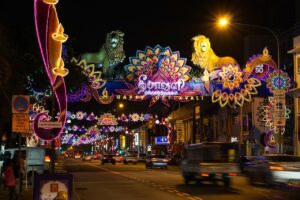
Little India is a cultural hub in Singapore and hosts a variety of events and festivals throughout the year. Here are some of the top events and festivals in Little India:

  1. Deepavali (Diwali): Deepavali, also known as Diwali, is the Festival of Lights and is one of the most important Hindu festivals.
  2. Thaipusam: Thaipusam is a Hindu festival that celebrates the victory of good over evil.
  3. Pongal: Pongal is a harvest festival celebrated by the Tamil community in Singapore.

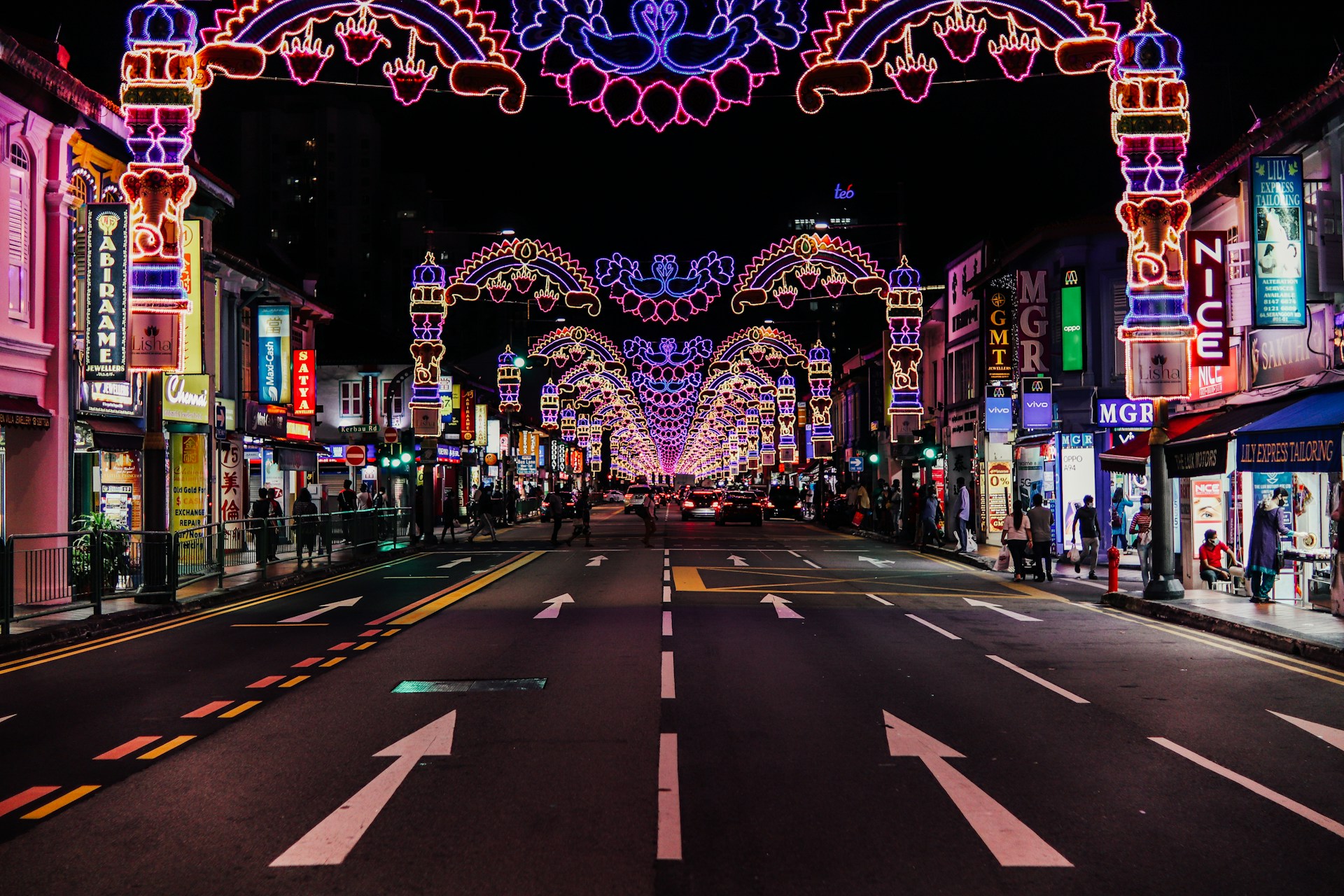
Little India comes alive with colorful decorations, festive lights, and cultural performances during these festivals.


In conclusion, a visit to Little India in Singapore offers an unforgettable experience of vibrant colors, tantalizing aromas, and unique cultural experiences. From exploring the bustling streets filled with traditional markets and shops to indulging in various delicious cuisines and admiring stunning landmarks, Little India has something to offer everyone.
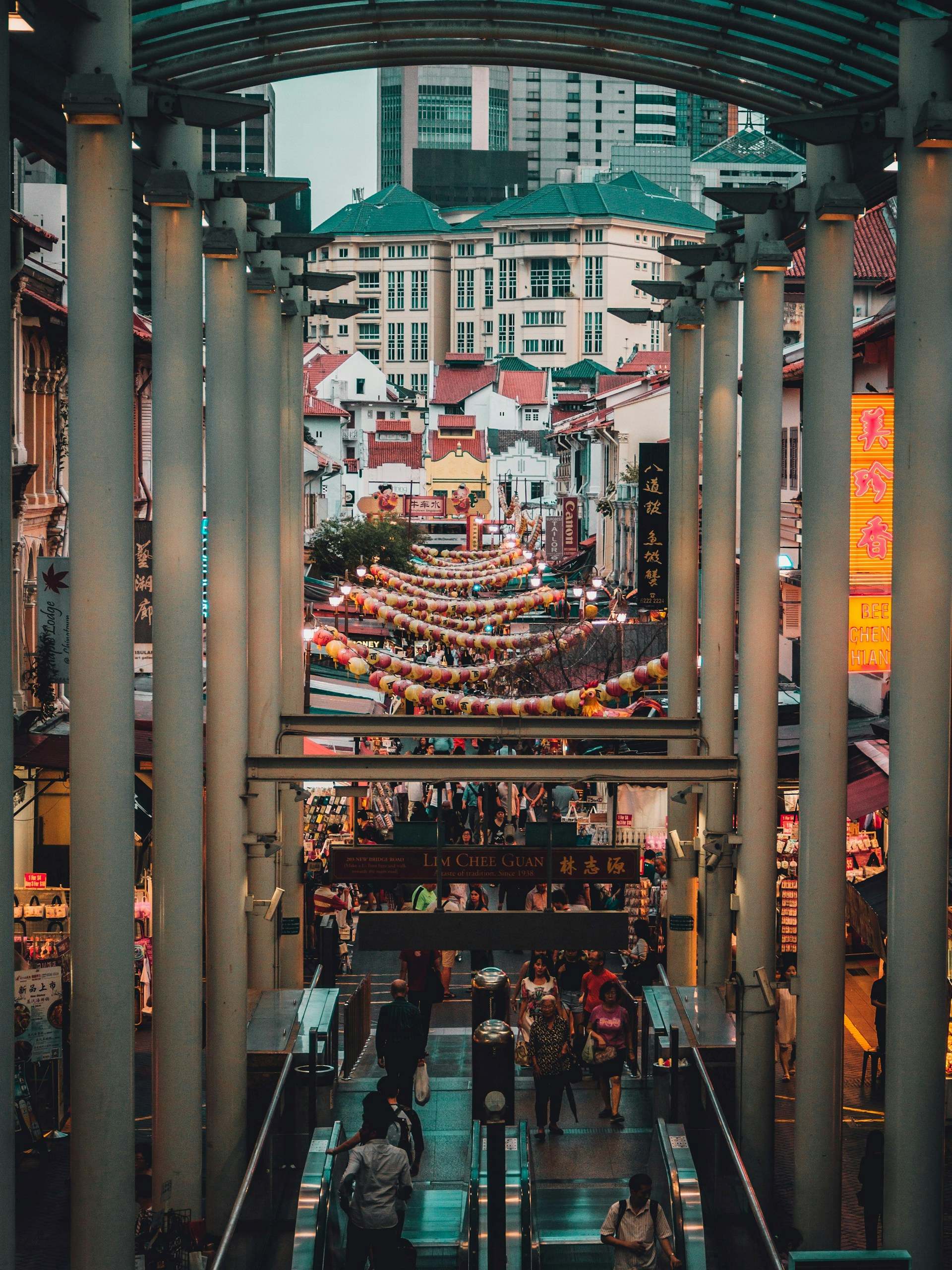
Welcome to Singapore’s vibrant Chinatown, a cultural hub bursting with energy, history, and excitement that is both a bustling commercial district and a fascinating cultural enclave. With its colorful shophouses, lively markets, and mouth-watering food, Chinatown is a must-visit destination for any traveller seeking to experience the rich tapestry of Singaporean culture.

Getting to Chinatown: A Journey Worth Taking

Chinatown is easily accessible by public transportation. The main entrance to Chinatown is Pagoda Street, a pedestrian-only street that runs through the heart of Chinatown.

  1. MRT: The Chinatown MRT station is located on the North-East Line and the Downtown Line, providing easy access to the neighborhood. Once you arrive at the station, take Exit A and follow the signs to the main entrance of Chinatown.
  2. Bus: Several bus routes run through Chinatown. Get off at either the Chinatown Point or the People’s Park Complex bus stop. You can check the bus route and timings on the TransitLink website.
  3. Taxi/Car: Taxis are readily available throughout Singapore. If you prefer to take Grab to Chinatown, download the Grab app and book a ride to the main entrance of Chinatown on Pagoda Street.
  4. Walking: Chinatown is a relatively small neighborhood and explorable on foot.

Insider Tip: If you’re coming from the airport, consider taking the MRT instead of a taxi to save money and avoid traffic.

Rest and Recharge: Accommodations in Chinatown

Chinatown Singapore offers visitors varied accommodation options, from budget-friendly hostels to luxury hotels. Here are some popular choices:

1.Cube Boutique Capsule Hotel

This modern and affordable hostel offers unique capsule-style accommodations for budget-conscious travelers. It also has a rooftop terrace and a shared lounge area for guests to relax and socialize.

2.Hotel Mono

This chic boutique hotel is a mid-range option located in Chinatown. The hotel features beautifully designed rooms with modern amenities, including a flat-screen TV and free Wi-Fi.

3.Dorsett Singapore

This luxury hotel is perfect for travelers who want comfort and convenience. It provides roomy accommodations and suites featuring contemporary décor and high-tech facilities, such as an outdoor pool, gym, and restaurant offering regional and global cuisines.

Chinatown’s Must-See Gems: Top Attractions

Chinatown in Singapore is a bustling and vibrant neighbourhood filled with rich cultural heritage and exciting attractions. The following are some of the must-see sights that tourists should include in their itinerary:

  1. Buddha Tooth Relic Temple and Museum: This stunning temple is dedicated to the Buddha and is home to a tooth relic that is said to have belonged to him. The temple also has a museum that showcases Buddhist artefacts from all over Asia.
  2. Sri Mariamman Temple: This is the oldest Hindu temple in Singapore and is known for its intricate architecture and colorful decorations. It is dedicated to the goddess Mariamman, who is worshipped for her ability to cure diseases.
  3. Maxwell Food Centre: No trip to Chinatown would be complete without sampling some of the amazing food! Maxwell Food Centre is a hawker centre that has a wide variety of stalls selling everything from traditional Chinese dishes to modern fusion cuisine.
  4. Thian Hock Keng Temple: This is one of Singapore’s oldest and most important Hokkien temples. It is dedicated to the goddess Mazu, who is worshipped by sailors for her ability to protect them at sea.
  5. Ann Siang Hill Park: This park is a great place to escape the hustle and bustle of Chinatown. It is located on a hill and has beautiful views of the city. Several restaurants and cafes nearby make it an incredible spot for a relaxing afternoon.

Insider Tip: Don’t be afraid to explore Chinatown Street Markets, as you never know what hidden gems you might find.

Savoring the Flavors: Eating and Drinking in Chinatown

The famous foodie destinations in Singapore are Chinatown, specifically the Maxwell Hawker Centre and Chinatown Food Street (Smith Street). The former is a bustling and vibrant center famous for its local dishes, including the iconic Tian Tian Hainanese chicken rice and Zhen Zhu Fang handmade noodles. Meanwhile, the latter is a pedestrian street with food stalls offering a diverse range of street food, snacks, and drinks, such as ice kacang and durian puffs, fried carrot cake, oyster omelets, sugarcane juice, and beer.

Experience the diverse culinary offerings of Chinatown-the rich and flavorful Bak Kut Teh at Song Fa; modern takes on classic dim sum at Dim Sum Haus; the popular breakfast combination of Kaya Toast and Kopi at Ya Kun Kaya Toast; and sweet and refreshing bubble tea at LiHO Tea and Koi Thé.

Insider Tip: Don’t be afraid to ask for recommendations from locals or stall owners, as they often have insider tips on the amazing dishes.

Treasure Hunt: Markets and Shops in Chinatown

  1. Souvenir shops: Chinatown’s souvenir shops offer a wide range of traditional Chinese handicrafts, trinkets, and gifts, including calligraphy scrolls, tea sets, zodiac figurines, silk scarves, chopsticks, and decorative fans. These shops are great for finding unique gifts and souvenirs to take home.
  2. Wet markets: Chinatown has several wet markets, including the Chinatown Complex Market and the People’s Park Complex Food Centre, which sell fresh produce, seafood, meat, and other food items. These markets are great places to experience the local food culture and find fresh ingredients.
  3. Fashion boutiques: In addition to traditional shops, Chinatown also has several fashion boutiques that sell trendy clothes, accessories, and jewelry. These boutiques are great places to find unique and fashionable items at reasonable prices.

Insider Tip: Bargaining is common at the street markets, so don’t be afraid to negotiate for a better price.

Chinatown After Dark: Nightlife Hotspots

Chinatown comes alive at night, with a variety of bars, clubs, and live music venues that cater to a diverse crowd. Some must-visit nightlife spots in Chinatown include

  1. Lucha Loco: This vibrant and colorful bar is known for its Mexican-inspired cocktails and lively atmosphere. It’s a popular spot for locals and tourists alike, with a large outdoor seating area and regular DJ sets.
  2. 28 Hong Kong Street: This award-winning bar is known for its craft cocktails and innovative drinks menu. It has a stylish and sophisticated atmosphere, focusing on quality ingredients and attentive service.

Festive Fun: Events and Festivals in Chinatown

Some of the most exciting events and festivals happening in Chinatown are:

  1. Chinese New Year: A grand celebration of family, food, and performances in Chinatown, featuring lion and dragon dances, acrobatics, and street bazaars.
  2. Mid-Autumn Festival: Witness colorful lantern displays, street performances, and sample mooncakes in Chinatown during this festive time.
  3. Singapore Heritage Festival: An annual event celebrating the cultural heritage of Chinatown and Singapore, featuring guided tours, performances, food tastings, and exhibitions.

Chinatown Singapore offers a glimpse into the city’s rich cultural heritage, vibrant nightlife, and unique shopping scene with its colorful shophouses, bustling markets, and delicious food. Don’t miss out on this diverse neighborhood – plan your trip today!

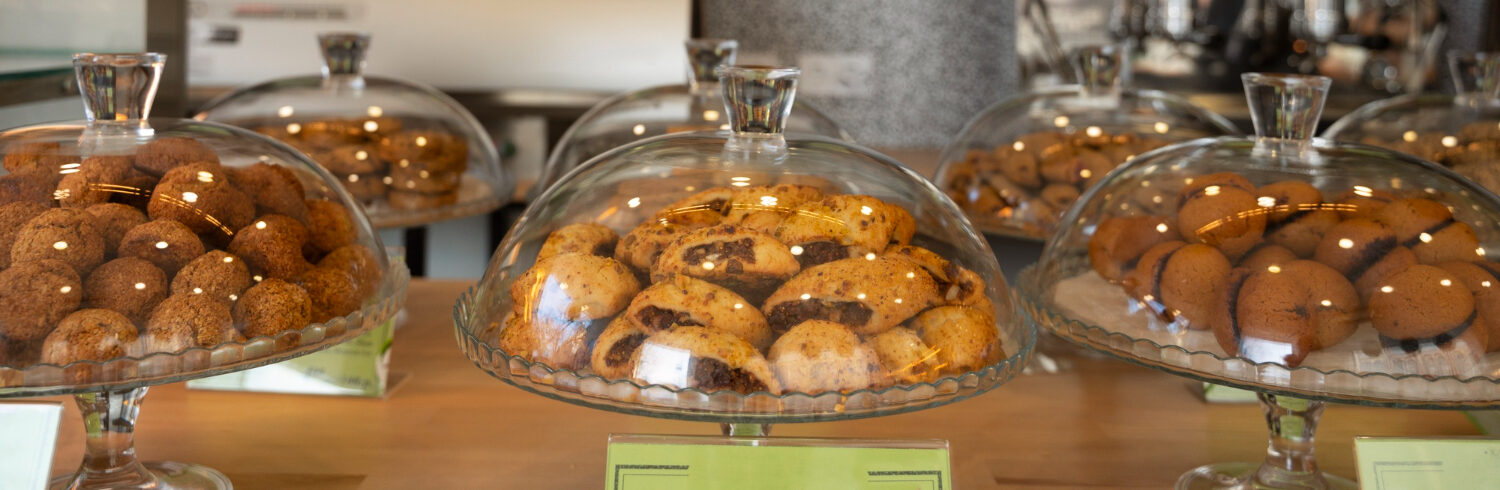
The aromatic world of bakeries enchants everyone who enters them. Children and adults alike love biting into a freshly baked bun or cake whenever they can. Singapore too, is home to several such bakeries where your tastebuds will be in for a treat. Join us on this journey of baked doughy goodness to discover an array of unknown bakeries to popular homegrown brands in Singapore. 

Traditional Breads and Pastries of Singapore

Singapore boasts a rich and diverse array of breads and other baked foods owing to its vibrant cultural heritage. Let us look at some such examples:

  • Kaya Toast consists of crispy bread slices slathered with kaya (a coconut and egg jam), and butter.
  • Roti Prata is a traditional Indian flaky flatbread enjoyed with sweet or savory accompaniments
  • Tau Sar Piah is a pastry filled with mung bean paste originating from China.

Now, it is time to find out where you can buy all the above delicious foods and more, in the next segment.

Iconic Bakeries with Rich Histories

  • Balmoral Bakery

Founded in 1965, this local bakery exudes an old-school charm and has preserved the essence of traditional baking.

Known for its wide range of sweet and savory tarts, pastries, and cakes, there is a favorite food item here for every visitor.

Pro Tip: Do not forget to try the Custard Puffs and Egg Tarts!

Click here to know more.

  • Dona Manis Cake Shop

A fan favorite among the locals since 1979, Dona Manis Cake Shop is renowned for its handcrafted butter cakes that offer a perfect balance of moistness and flavor.

Located in the heart of Katong, this shop has been growing in popularity among visitors over the years.

Pro Tip: Their Ondeh Ondeh and Kueh Lapis are a must-try!

Click here to know more.

  • Tong Heng

Serving generations of Singaporeans since 1935, Tong Heng is a venerable pastry institution, more than being just a bakery. Renowned for its iconic diamond-shaped egg tarts with flaky crusts and silky custard, Tong Heng brings you the best of Chinese culinary heritage.

Click here to know more.

  • Love Confectionary

From artisanal chocolates to bespoke cakes, Love Confectionery has found its way to the locals’ hearts, one bite at a time. Best known for its buttercream cakes, and cake assortments, this shop has to be on the top of your list if you have a sweet tooth.

Pro Tip: We recommend the Ang Ku Kueh as well as the peanut and rainbow sprinkles cake

Click here to know more.

  • Serangoon Garden Bakery & Confectionery

Renowned for its affordable and delectable selection of breads and cakes, this shop is a favorite among locals. As all the breads and cakes are made from scratch on-site, they start working as early as 2 AM and open their doors to customers at 6 AM.

Their hamburger, Curry buns, and butter cake are the most recommended.

Pro Tip: As they open as early as 6 AM if you are flying into Singapore on a red-eye flight, the first thing you can do is visit this bakery and get your hands on the luncheon meat bun.

Click here to know more.

  • Bengawan Solo

The last entry on our list is certainly not the least, as Bengawan Solo is popular among tourists unlike any of the bakeries we have mentioned above. 

Founded in 1979, they specialize in kueh, layer cakes, and ondeh ondeh.

Available at more than 45 locations across the city-state it is hard to miss it whenever you are in Singapore.

Pro Tip: Try their pandan chiffon cake! It’s light,fluffy and fragrant. Also, a hot favourite as the perfect souvenir for your loved ones with a sweet tooth.


Click here to know more.

Singapore has a lot to offer in terms of bakery options. Anywhere you go on this island state, you will not be far from a bakery that will serve you the perfect balance between traditional snacks and innovative baked delicacies.

Using the pointers in this article you can now confidently explore the bakery and confectionery landscape of the city.

Wet markets in Singapore aren’t just about purchasing fresh produce; they are vibrant, bustling, and an essential part of the local culture. Navigating through these markets, you can experience the authentic sights, sounds, and flavours that capture the essence of local life. Here’s a guide to some of the most popular wet markets in Singapore that promise an authentic and enriching experience for travellers.

Visiting Wet Markets in Singapore

1. Tekka Market

Tekka Market in Singapore is a multi-storey building that features a wet market, a hawker centre, and various small shops offering a wide range of products, including fresh fruits and vegetables, flowers, spices, nuts, meat, and seafood. The market is known for its vibrant and colourful environment, offering a culturally rich experience with a variety of ethnic foods and unique items. It is one of the largest wet markets in Singapore, housing 284 stalls and offering a diverse selection of produce and dry goods. You can also find an array of spices and traditional Indian ingredients here. 

Tekka Market is a great place to observe the unique way of life and culinary cultures of Singapore’s ethnic communities, making it a valuable destination for those looking to learn more about life in Singapore.

Click here to know more.

Nearest MRT: Little India.

➕Insider Tip:  

  • Buy spices at a steal and bring them home as souvenirs or to try out new Asian dishes! 
  • Ensure to carry cash, as credit cards are not accepted in most wet markets.
  • Remember to bring a shopping trolley or a sizable eco-friendly grocery bag, and opt for closed and comfortable shoes for an optimal shopping experience.

2. Tiong Bahru Market

Tiong Bahru Wet Market stands out among Singapore’s freshest produce hubs, streamlining shopping convenience with some stalls packaging produce supermarket-style. Drawing an international crowd, especially expats, it boasts an impressive array of Western fresh produce, offering Australian and New Zealand beef at half the price. Not just for groceries, this market flourishes as a floral haven, offering fresh-cut orchids and plants at reasonable prices. The market’s offerings span vegetables, tropical fruits, meats, poultry, cheeses, fish, shellfish, eggs, tofu, dry goods, and spices. 

Click here to know more.

Nearest MRT: Tiong Bahru.

➕Insider Tip: Above this wet market in Singapore is the famous Tiong Bahru Food Centre, one of the best hawker centres in Singapore. This famous food court is home to a lot of delicious and wallet-friendly local foods, such as roasted sliced duck, lor mee, fried kway teow, chwee kueh, wonton soup, and pig’s organ soup.

3. Geylang Serai Wet Market

Geylang Serai Wet Market is known for its Malay, Indonesian, and Halal products, including a wide range of fresh meats, vegetables, fruits, poultry, live seafood, tofu, noodles, spices, dried goods, and eggs. Geylang Serai is a focal point for the local Malay community in Singapore, and the market reflects the area’s rich cultural heritage. Experience the lively ambience while witnessing the preparation of traditional kueh (cakes) and the intricate art of weaving ketupat (rice cakes).

Click here to know more.

Nearest MRT: Paya Lebar.

➕Insider Tip: Visit during the Ramadan period to experience the festive atmosphere and enjoy special holiday treats.

4. Jurong Fishery Port

Jurong Fishery Port is the place to go for the freshest seafood in Singapore. It’s a wholesale fish market where you can observe the bustling auction and purchase fresh seafood at great prices. The best time to visit this wet market in Singapore is early in the morning to get hold of some of the freshest fish and seafood, like prawns and crabs, but it’s important to note that prices may not be cheap unless buying in bulk. The port offers a wide variety of seafood, including red groupers, pomfrets, threadfin, prawns, crabs, stingrays, and more.

Click here to know more.

Address: Fishery Port Rd, Singapore 619742

Nearest MRT: Joo Koon

➕Insider Tip: Arrive early (around 2-4 am) to catch the auction action and get the best deals on seafood. Also, wear non-slippery footwear due to the wet floors.

5. Toa Payoh Central Market

Toa Payoh Central Market is a traditional wet market in Singapore that offers a wide range of fresh produce, meats, and dry goods. It’s a great place to shop for local ingredients and experience the authentic market atmosphere. 

Click here to know more.

Nearest MRT: Toa Payoh.

➕Insider Tip: Dress comfy, as there might be crowds and the markets do not have air-conditioning.

Wrapping Up

Visiting wet markets in Singapore is a fantastic way to immerse yourself in the local food culture and discover a wide array of fresh produce, seafood, and traditional ingredients. Whether you’re a food enthusiast or a traveller looking for an authentic experience, these markets are definitely worth a visit.

Scroll to Top