Getting Around the City: Transportation in Singapore

Getting Around the City: Transportation in Singapore

Exploring a unfamiliar city can be an exciting adventure. Singapore has numerous transportation options available to help you get around the city with ease. From trains to ride-share services, Singapore has some of the most reliable, efficient, and accessible transportation options in Southeast Asia. This comprehensive guide has all the tips and tricks you need to get around the island. 

Transportation Etiquette in Singapore

Before we start exploring Singapore’s public transportation system, we must understand some basic etiquette rules. Here are some important points to mind while traveling on public transport in Singapore. 

  1. No Eating or Drinking on Public Transport:
    Eating or drinking on public transport is strictly prohibited and fined in Singapore to ensure cleanliness and hygiene on buses and trains. Remember to enjoy your food and beverages before boarding or after alighting.
  2. Tapping in and Tapping out:
    When traveling on buses and trains in Singapore, tap your card when getting on and off. This helps to calculate the fare for your journey. If you don’t tap your card, you may be charged the maximum fare.
  3. Transfers:
    If you need to transfer between rail and bus services or between different bus services without any additional boarding charges, you can do so within 45 minutes. Likewise, a maximum of 15 minutes is allowed for transfers between distinct rail stations.
  4. Boarding and Disembarking:
    When boarding or disembarking from trains, it’s essential to allow the passengers to get off first before you get on to prevent overcrowding and ensure a smooth flow of traffic. Also, stand to the side and do not block the doors.
  5. Escalator Etiquette:
    Keep left on escalators to allow people who want to walk up to the right side to prevent congestion and ensure a smooth traffic flow. It’s also important to note that taking photos of other passengers, especially when going up escalators, is not allowed and can be considered rude.

Transportation to and from the Airport

If you’re visiting Singapore, you will fly in and out of Changi Airport. It’s one of the world’s most awarded airports and offers various transport options to get to your destination. These include:

  1. Train services: The usual transportation from Changi Airport to the city is by taking the MRT, which will take you to the Tanah Merah Station. From there, you can take an East-West to get to many popular places along this line, such as Kallang, Lavender, Bugis, City Hall, and Tiong Bahru. Alternatively, you can take the train to Expo MRT Station and transfer to the Downtown Line to get to places such as Geylang Bahru, Chinatown, Bayfront, and Little India.
  2. Bus services: The second most affordable mode of transportation is by bus, which takes over 1.5 hours. To reach central MRT stations from the airport, take the public bus 36/36A. This route passes through significant areas such as ECP, Marine Parade Rd, Suntec City, City Hall, Dhoby Ghaut, and Orchard.
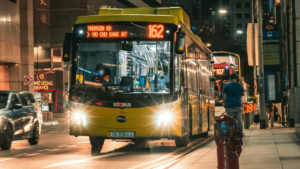
  3. Taxi services or private cars: Taxis can be found at the arrival halls of each terminal in Changi Airport, providing an easy and convenient way to get around the city. Or, you can book a private cab through various applications, such as Grab.

Insider Tip: If you plan to travel a lot, then the most affordable mode of transportation is the Singapore Tourist Pass! This pass provides unlimited travel on specific public transport services (MRT and buses). You can get them at the airport at Terminal 2.

Approximate Cost: For more information, types, and costs of tourist passes, visit the website .

You can also click here to visit and learn more about transport options from the airport.

Navigating Singapore’s Train Routes

Singapore’s train system (MRT and LRT) is a fast and reliable transportation system that connects most parts of the city. With multiple lines and interchange stations, operating from early morning until midnight, with trains running every two to seven minutes.

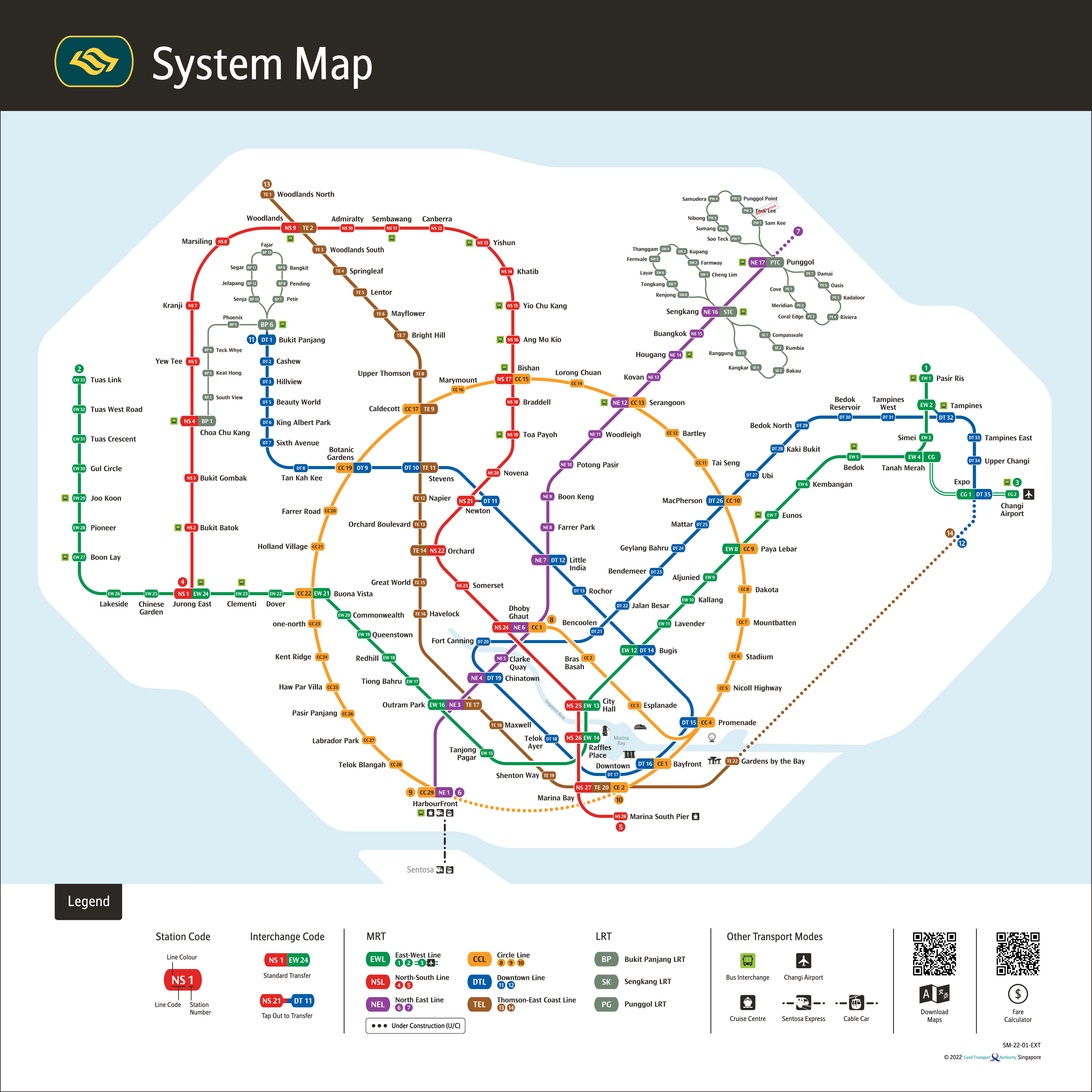
Check their official Map to get an overview of the Singapore MRT Map. There are six major train lines, North-South Line, East-West Line, Circle Line, Thomson-East Coast Line, North East Line, the Downtown Line, and three complementing feeder lines.

Click here to know about MRT routes, navigation, and cost. You can also get the TL SimplyGo app for the journey planner feature. You can also determine fare and estimated time and plan your bus/train journey. 

Insider Tip: The Mass Rapid Transit (MRT) system in Singapore is color-coded to make it easy to navigate. Each MRT line has a specific color assigned to it, which is used on maps, station signage, and on the trains themselves. Here are the colors assigned to each MRT line:

North-South Line is (NSL) – Red line

East-West Line (EWL) – Green line

North-East Line (NEL) – Purple line

Circle Line (CCL) – Yellow line

Downtown Line (DTL) – Blue line

Thomson-East Coast Line (TEL) – Brown line

Inside MRT stations, different signs, including the Station Name Signage, Platform Signage, Exit Signage, and Wayfinding Signage, are designed to guide and inform passengers. 

Navigating Singapore’s Bus Routes

Singapore has innumerable bus services with onboard screens and phone apps for easy navigation. SBS Transit and SMRT are the primary providers accepting EZ-Link cards. Keep the exact fare for cash payments, as no change is given. For route and schedule information, visit official websites or download the SG Buses or MyTransport app for real-time updates and plan your journey accordingly!

To learn more about bus fares, you can also visit the SBS Transit website

Insider Tip: Avoid peak hours. Buses tend to be more crowded during rush hour, so try to take advantage of off-peak hours and avoid busy times wherever possible. 

Navigating Singapore’s Taxis and Ride-Hailing Apps
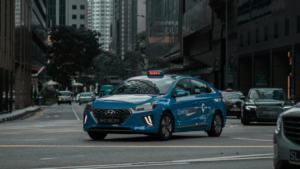
In Singapore, taxis and ride-hailing apps are one of the most convenient ways to get around the city. Hailing a cab or ordering a ride from an app can be both fast and affordable.

  1. Taxis – Taxis are abundant in Singapore, easy to spot, and can be hailed on the street or booked via a phone call. Check here to more about taxi fares.Insider Tip: Flag-down rates vary by taxi type—premium, economy. So, double-check which kind of taxi you’re getting into before agreeing on a fare.
  2. Ride-Hailing Apps – Ride-hailing apps are user-friendly, requiring only an internet connection and a smartphone. They will provide the driver’s identity and an estimated arrival time before the ride’s arrival.

A few top apps for hailing taxis are:

  1. Grab. 

Click here to download. 

  1. GoJek
  2. Click here to download ComfortDelGro from the Google Play store.
  3. Click here to download the CDG Zig app.

Navigating Singapore’s Road while Driving

Roads in Singapore are well-designed, and vehicles use the left side of the road. To drive in Singapore, you must have a valid foreign license and an International Driving Permit (IDP) in English.

Here are things you need to keep in mind:

  1. Electronic Road Pricing (ERP) system: ERP charges are levied during peak hours on specific roads in Singapore. They are automatically deducted from a prepaid card or a linked credit card. Check the rates and operating times before your journey. If you rent a car, confirm if your car rental company provides an ERP device.
  2. Parking: Singapore has strict parking rules, and fines for illegal parking can be steep. Always look out for parking signs and pay attention to parking restrictions. In addition, some areas have limited parking spaces, and it is advisable to park at designated parking areas.

Remember to obey traffic rules, including speed limits, and stay alert on the roads to ensure a safe driving experience in Singapore.

Cycling around the Island
Cycling is a popular and great way to explore Singapore. The city has well-connected cycling paths that allow you to travel to popular destinations like parks and nature reserves. Singapore’s park connectors, including the Round Island Route, Southern Ridges, and Coast-to-Coast Trail, offer beautiful views and make cycling fun. If you don’t have a bike, you can easily rent one from various rental shops near tourist spots, like Sentosa Island, Gardens by the Bay, and East Coast Park. 

A few top apps for cycling are:

  1. SG Bike

To rent a bike with SG Bike, download their app and click here to check their fares.

      2. Anywheel

To rent a bike with Anywheel, download their app and click here to check their fares

Insider Tip: Cycling in Singapore is only allowed on pavements, where cyclists and pedestrians share the road. So ride carefully. Singapore’s tropical climate can be hot and humid, so bring enough water to stay hydrated and dress appropriately in comfortable clothes. 

Singapore is an incredible city, and one of the effective ways to explore it is by getting around with its extensive public transportation system. With its network of public buses, MRT, taxis, and even ridesharing services, you can get around the city without spending too much. 


FAQS

The most popular mode of public transportation in Singapore is the Mass Rapid Transit (MRT) system, followed by buses.
Singapore's public transportation fare system is based on distance traveled and mode of transport. Fares are paid using a contactless smart card called the EZ-Link card or the Singapore Tourist Pass. The fare is deducted from the card when the passenger taps it at the entry and exit points of the transport system.
The Singapore MRT system is a rapid transit system that connects various parts of the city-state. It has five lines, and each line has its own color code and name. The trains run from early morning until midnight and are air-conditioned. The MRT system uses a smart card payment system for fares.
If you have limited mobility, the best way to get around Singapore is by using the public transportation system. The buses and MRT trains are equipped with facilities such as wheelchair-friendly ramps, designated seating areas, and tactile guidance systems for the visually impaired. There are also specialized taxis called "London cabs" designed for passengers with mobility issues.
The Singaporean bus system is a comprehensive network of bus routes that cover most parts of the city-state. The buses run from early morning until midnight and are air-conditioned. Fares are paid using the same smart card system used for the MRT. Passengers can also use cash to pay for the bus fare, but the fare is slightly higher than the smart card fare.
The most efficient way to get to Changi Airport from the city center is by using the MRT. The airport is connected to the city center by the East-West MRT line, and the journey takes about 30 minutes. Alternatively, passengers can take a taxi or a shuttle bus, which are both readily available.
There are several types of taxis in Singapore, including standard-metered taxis, private hire cars, and specialized taxis for passengers with disabilities. To use a taxi in Singapore, passengers can either hail one on the street or book one using a ride-hailing app. Fares are charged based on the distance traveled and time taken, and passengers can pay using cash or a credit card.
The Singaporean road system is well-maintained and easy to navigate. The city-state has an Electronic Road Pricing (ERP) system that charges a fee for vehicles entering certain parts of the city during peak hours. Some expressways connect different parts of the city-state, and traffic rules and regulations are strictly enforced.
The speed limits for cars and other vehicles in Singapore depend on the type of road. In general, the speed limit on expressways is 90 km/h, while the limit on major roadways is 70 km/h. The limit on residential roads is 50 km/h, and there are also areas with lower speed limits, such as school zones.
The parking system in Singapore is a mix of street parking and paid parking lots. Street parking is available in designated areas but is limited, and parking charges apply during certain hours. Paid parking lots are available throughout the city-state, and the costs vary.
The electronic road pricing (ERP) system is a distance-based road toll system that charges vehicles for using certain roads during peak hours. The system uses an in-vehicle unit (IU) installed in the vehicle, which deducts the appropriate fee from a cash card or smart card when the automobile passes through an ERP gantry. The fees are higher during peak hours and are adjusted based on the congestion level.
To rent a car in Singapore, you must be at least 21 years old and have a valid driver's license. International driver's licenses are accepted, but they must be accompanied by a valid passport. Additional fees and surcharges may apply for drivers under 25 years of age or those with less than two years of driving experience.
Some popular car rental companies in Singapore include Avis, Budget, Europcar, Hertz, and Sixt. Several local car rental companies offer competitive rates.
Several types of rental bicycles in Singapore include shared bicycles, electric bicycles, and foldable bicycles. To use a rental bicycle, you must download the relevant mobile app and create an account. You can then locate and unlock the bike using the app, ride it to your destination, and park it in a designated area.
Some popular bike rental services in Singapore include SG Bike, Anywheel, and Moov Technology. These services offer a variety of bicycles, including shared bicycles, electric bicycles, and foldable bicycles.
In Singapore, e-scooters are classified as personal mobility devices (PMDs) and are subject to regulations. Riders must be at least 16 years old, and their e-scooters must be registered and affixed with an identification sticker. E-scooters are not allowed on roads and must be ridden on shared paths and cycling paths. The maximum speed limit for e-scooters is 25 km/h, and riders must wear helmets and have lights and reflectors on their e-scooters.
The Singaporean ferry system connects the city-state with nearby islands and neighboring countries such as Indonesia and Malaysia. The ferries operate from several terminals in Singapore, including the HarbourFront Ferry Terminal and the Tanah Merah Ferry Terminal.
Some popular ferry routes in Singapore include the ferry service to Batam and Bintan in Indonesia and the ferry service to Johor Bahru in Malaysia. Several ferry services operate to nearby islands, such as Sentosa and Pulau Ubin.
To ride a motorcycle in Singapore, you must have a valid motorcycle license. Motorcycles are subject to the same traffic rules and regulations as other vehicles, including speed limits and traffic lights. Motorcyclists must wear helmets, while their motorcycles must be registered, insured, and fitted with license plates.
The Singaporean pedestrian system consists of sidewalks and pedestrian crossings, which are well-maintained and easily accessible. Pedestrians must follow traffic signals and use designated crossings to cross the road. Several pedestrian bridges and underpasses provide safe and convenient access to different parts of the city.
Jaywalking is illegal in Singapore and can result in a fine. Pedestrians must use designated pedestrian crossings and obey traffic signals. In some areas, there are undercover police officers who are tasked with enforcing the rules and issuing fines to violators.
During peak hours, typically from 7:30 am to 9:30 am and from 5:00 pm to 8:00 pm on weekdays, the Singaporean public transportation system can be very crowded. To ease congestion, there are priority seats reserved for elderly and disabled passengers, and passengers are encouraged to give up their seats to those who need them. Passengers are also reminded to keep their belongings close and to move to the center of the train or bus to make room for other passengers.
The Singaporean airport shuttle system consists of several shuttle bus services connecting Changi Airport with various parts of the city. The shuttle buses operate on a fixed schedule and provide affordable and convenient transportation options for passengers.
Pets are generally not allowed on public transportation in Singapore, except guide dogs for the visually impaired. However, small pets in carriers or containers are allowed on the Sentosa Express and the cable car system.
Some popular carpooling services in Singapore include GrabHitch, RydePOOL, and PopCar. These services allow drivers to share their rides with passengers heading in the same direction, providing a more affordable and sustainable transportation option.
The Singaporean railway system consists of two main lines, the East-West Line and the North-South Line, intersecting at several stations. The trains run on a frequent schedule and provide convenient and reliable transportation options for commuters and travelers.
Several train tickets are available in Singapore, including single-trip tickets, stored-value cards (EZ-Link and NETS FlashPay), and monthly concession passes. The stored-value cards are a more convenient and cost-effective option for frequent commuters.
The Singaporean cable car system operates between Mount Faber and Sentosa Island, providing a scenic and unique transportation option for tourists and locals. The cable car cabins are air-conditioned and offer panoramic views of the city and the sea.
Some famous sightseeing tours by bus or boat in Singapore include the Duck Tour, the Singapore River Cruise, the Hop-On Hop-Off Bus Tour, and the Night Safari Tour. These tours provide a convenient and informative way to explore the city's attractions and landmarks.
Some popular transportation apps and websites to use in Singapore include Gothere.sg, Citymapper, Grab, and TransitLink Mobile Services. These apps and websites provide real-time transportation information, route planning, and booking services for various modes of transportation in Singapore.
Can you explain the public transportation fare system in Singapore?

Lorem ipsum dolor sit amet, consectetur adipiscing elit. Ut elit tellus, luctus nec ullamcorper mattis, pulvinar dapibus leo.

The Singapore MRT system is a rapid transit system that connects various parts of the city-state. It has five lines, and each line has its own color code and name. The trains run from early morning until midnight and are air-conditioned. The MRT system uses a smart card payment system for fares.
If you have limited mobility, the best way to get around Singapore is by using the public transportation system. The buses and MRT trains are equipped with facilities such as wheelchair-friendly ramps, designated seating areas, and tactile guidance systems for the visually impaired. There are also specialized taxis called “London cabs” designed for passengers with mobility issues.
Singapore’s public transportation fare system is based on distance traveled and mode of transport. Fares are paid using a contactless smart card called the EZ-Link card or the Singapore Tourist Pass. The fare is deducted from the card when the passenger taps it at the entry and exit points of the transport system.

Share :

Comments

Scroll to Top